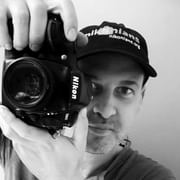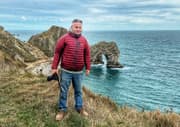


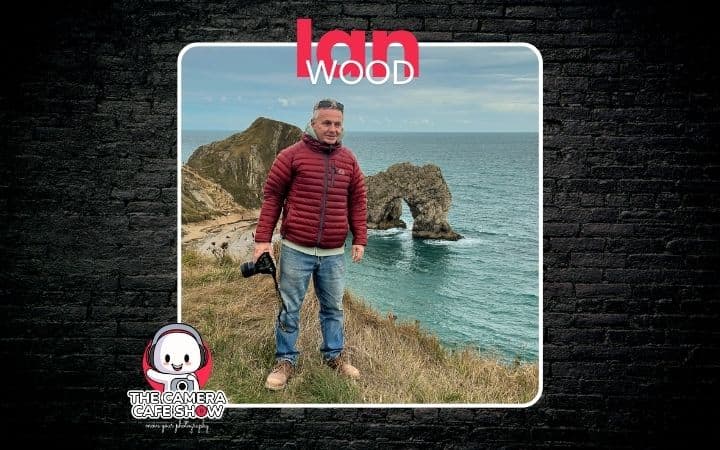
Tom: Ian, welcome back on the show. It's really great to see you again. We had a chance to talk last year, for everybody listening, this chat is available on our podcast channel if you want to check out Ian's story a bit more. But now Ian, you got in touch with me that you have some bits of exciting new show, so here we are. Ian, welcome back.
Ian: So nice to see you again, Tom. And yeah, thanks for having me back some exciting news wildlife wise going on in England now.
Tom: We will catch up in a moment, but before we start, Ian, I have to ask, I remember last time we talked, you were sitting for hours and hours in the barn watching the swallows. They have taken over the barn by now?
Ian: Wow. Do you know I've been working on the Swallow Hide Today, putting an extension on it, it slightly bigger because they'll be back. They're not back, but they'll be back any day. The weather is really good now in England, and I suspect they will be back over the next week. So I've just finished the hide, made it a bit bigger because one of the nests that they use. It was very cramped in that end of the hide. There was a big, like beam there and I was have enough space. So I've had an extension of about, about a meter. So it's already for them. Yeah. Yeah. Exciting. one of my favorite times of year in England when you see the first swallows. 'cause they're such a joyful bird. And once they reach where they are, they have such a kind of fly around and you go, ah, summertime is here. Yeah.
Tom: You learn something interesting about them.
Ian: obviously I've had two years now of basically studying them, just in there. And each year they have the two broods. No, normally with five each brood. Someone did tell me, and I did just check it. Check. It was correct. I think it was on a swift, not a swallow. They got a tiny little transmitter on them, and they were going far higher than people thought for the migration. They were going
Ian: high and then migrating. So I wonder if that's the same for swallows too, because to come from the same part of Africa to the same part of England each year, it's such an incredible journey. That's the hide is already And when are you talking about coming to England? Autumn. They normally leave by, late September, they've normally gone back to Africa. They're wise
Tom: But no problem. I'm sure when I come in autumn, there will be owls or foxes or badges, whatever. We will find something they pictures of.
Ian: of stuff. Yeah. Yeah.
Tom: Ian, last time on the show in part, you were there because you won with your image, no Access with the Badger, the People Choice Award of the Wildlife Photographer of the year. And now we are here to today and you are a bit on fire. You had an image of a moderate orangutan and a little one select as a finalist in the London Camera Exchange.
Ian: Oh
Tom: And,
Ian: it got, it. Got runners up. Yeah.
Tom: And you won, of course, the main documentary award at the British Wildlife Photography with a series about badges and why there is issues surrounding them in the uk on which we will come back a bit later. So first of all, congratulations, Ian, to winning. How did it feel when you heard the news?
Ian: the Badger Color Award, It, it's such an important issue to me, and the more we can keep it out there, so the whole thing of awards. I've been very lucky over the last few years, Tom, I've won a reasonable number of awards and it's always nice to get feedback on your work. But, the badger thing, the most important thing was, ah, we can keep this out there, we can keep the message out there. The British Wildlife Photography Awards make this beautiful book, so it has six pages in the book and and it's just that thing rather than the award. It's really, it's a good way of really getting your images out there and telling the story behind them.
Tom: With winning this one, you got like a quiet email or there was a proper moment that you won.
Ian: do you know in this one I actually knew months and months before, purely
Ian: they tell you when you've made the book and there's only one winner of the prize.
Ian: Although they hadn't officially told me , and I'd written all the texts, there's a fair bit of text that goes with all the images, so I knew probably in bar know like a good three or four months before and then they tell you they confirm it for sure. Maybe about a week before, because again, there's some media stuff around there, but like all these of them tell you just before actually you mentioned the orangutan photo in the London Camera Exchange Photography of the year. It's become quite a big thing in England. That's quite cool. They don't tell you, they don't tell anybody. They have 14,000 entries and they make you go up. I say make you, it's, you probably want to go. Anyway. There's the photography and show at the NEC and it's revealed live on stage and it's the only award I've ever known that they don't, normally they tell you in advance, but you actually know there and then, yeah.
Tom: Yeah. So Ian, for this documentary work, you had a total of six images. So you had to submit six images, or you could submit less or.
Ian: I'm pretty certain that is six. Some of them said between five or six, seven, but I'm pretty certain that one's six. And the brief on these kind of documentary awards is that every image has gotta stand up in its own right. And then together they've gotta tell a story. You do write text with them all. So they will read that. But yeah, that each image has gotta be strong and then together they've gotta tell a story. So it's very different from taking one photo and entering in it. 'Cause you've gotta think of six ideas and then how you can execute them. And I tell you one of the hardest ones in the sequence, 'cause I wanted to have a picture of cows the whole badger issue we've spoken before is very much linked to cows because wrongly
Ian: for spreading bovine tb. And this has also been a disaster for England's farmers. 'cause about 20,000. Cows have been killed each year, again, paid for by the taxpayer. So part of the story and how the, how do you take a really interesting picture of cows? So it took a while. We were talking about a, use of a drone before and I thought, oh, I maybe do, I haven't got a drone footage in it. I maybe get a drone shot above a farm or something. But they just looked bland and didn't work. And then that was basically luck of the weather. So I have two cows that are used to help us make Wildflower Meadows. So I tried taking lots of pictures to them, like wide angled lenses getting low down. But I couldn't get anything really unusual, and it never snows in England anymore. It's like it used to snow every year. I didn't think I've seen snow probably 15 years, and I woke up one morning. I think it was like in January, it was snowing and it was properly snowing. It all mounted within 15 minutes, but I went out into the field and there was about a centimeter of snow. In England, this probably means all the trains are canceled for about a week and a centimeter of snow and reasonably big flakes falling. So I did really slow shutter speed of the cows and all these slow snowflakes. So in a way. That was one of the hardest ones, one of the most time consuming ones is I wanted a outside defra, which is government offices in London. And that took a good day and got, some interesting conversations with coming in and outta Defra.
Tom: Sure. Because the reason I ask you. If there was six or more, it was to know if you wrote up a story and thought , I want to make this six pictures to tell this story, or I have this images and I will pick out six and then I will make the story. But you wrote out the story first and you make the pictures.
Ian: Yeah, I. It might be possible to do it the other way, but I think you would need luck because the same with wildlife photography of the year has a a photojournalism prize as well, which I think is six. And actually these set of images got to the finals of that, but didn't go any further. And when I saw the ones that won, it was about rattlesnakes and they were just, oh my God. They were in a different league. Every photo was just incredible. So I think you'd have
Ian: A combination of extraordinary, talented and have a mind blowing collection of photos to pick six out of your catalog and work them in. a good point 'cause that's probably where quite a few people go wrong. It actually in entering
Ian: but even more so with a series. But they leave it a bit late and they look at it and they go, oh six pictures, so I'll do dah. I think planning it before and. Figuring out ideas for photos and how they're gonna link together and how they're gonna tell a story is key. Really?
Tom: You have one image E on there with the hunter, with, I think with a night scope. Hunting for badges. How difficult is it to take an image like this when you don't agree what they're doing?
Ian: that image has to be set up like no one's gonna let me
Ian: of. The, those, I dunno whether you've, have you ever used one of those heat scapes the
Tom: no. Never. No.
Ian: couldn't justify buying one. They're about. Maybe like about 5,000 euros for the good ones. So I hired one for a wanted to see, 'cause that's what they're using in the Badger Cup. And I wanted to see really how well they worked and oh my god, they're staggering. I could see a rabbit. I got my hill and I can see a rabbit like two kilometers away. You see every single through it. the real thing was to show that the night scope is in the image. And the. the person's got his hood over him. 'cause I don't want the person that agreed to model for the photo to show his face. It's a good question because the gun in the picture is actually an air rifle and you wouldn't use an air rifle to kill badges.
Ian: it's really to show, and when I wrote the text for the. British Wildlife Photography Awards. That's what it's about. It's about the scope. So it was really to show that they're powered scopes and then the image, what through there, because I was staggered when I found out what they were doing because like impossible to miss. I think that's what I called that image. It's they show just animal. And they're not using air rifles, they're using really high powered guns. And it was someone that I met that used to work on the cu and he told me
Ian: up stopping working it. 'cause he said they're just killing every single animal they can. It's almost like a night out of sport.
Tom: I would've thought that somebody would have come up to you and say, yeah, sure. Take me a picture, because I'm sure there are people who are proud of what they're doing. Ian.
Ian: The thing is with the badge that no one would let me take a picture out with the badger card. This, it's been such a divisive issue. I found out actually in this, not just this area, in this like whole county I live in I'm known as Badger Man Tom, and not necessarily in a complimentary way.
Tom: So how long you worked on this project, Ian, to get this, the images.
Ian: oh, that's probably but for rounding them all up, it was probably about seven or eight months. Yeah. Not, seven or eight months in total because the one
Ian: The government office is, that's a day the cows. a lot of work 'cause I just couldn't figure out how to take a nice picture of a cow or something unusual. The scope, obviously that's just hiring the scope and then getting a model and once you've, it's just logistics. Once you've, we just did it in one of my fields dead badger in it. Again, I'm not gonna be able to photograph a badger that's been shot in the car. They're not gonna let me go anywhere near that. So that's a badger that's just been run over. And I think it should mention that in the text, because is the other thing that happens is lots of badgers are shot and they, a lot are injured by cars, but occasionally you find them with bullet wounds 'cause they're shot and they're dragged to the side of the road , to disguise the crime.
Tom: Yeah, of course. Yeah.
Ian: yeah, so that was oh God, that was quite depressing. That was probably about 20 mornings going out really early looking for what badges had been killed and going, oh, that's a. Deb Badger. It was,
Tom: P.
Ian: yeah nice as in, photographically nice. It's awful. Was probably the worst photo to actually take because I just
Ian: time looking for Deb Badger.
Tom: But it brought you somewhere, Ian doing this?
Ian: Yeah, that was very much the aim of it because if you do well in the competitions, you get so much exposure and it's got a lot of exposure again. And it's also mammal photographer of the year. There are slightly different set of four images. It's also won the photojournalism prize in that. So in a way, winning awards is a bit of a shortcut. a massive amount of exposure, cutting through everything and, and that's what interests me about them. And it's worth putting the work in for something that you feel passionate about because your thing of going through your portfolio and going, oh, I've got a really nice shot of that and entering it. That will work a lot more. But my big advice
Ian: awards is generally shoot for the award. Actually specifically look at the categories and try and shoot something unusual or original. 'cause if you look at it from the judge's perspective they get thousands and thousands of images lots of them are gonna be incredible, but a lot of them are gonna be quite un unoriginal. They see a lot of stuff coming up again. So if you can think of ideas that are original. And check out before you invest a huge amount of time that no one else has done it then that's the key. And this is something personally I'm spending much more time on I've got an idea that I've proved over the last month that it's on, and then I get really
Ian: and I think. Could take me a year to take the image I dream of, but I know it's on and now it needs a lot of work. And if I spend a year and I get one image that has never been taken before, even if it's of something, reasonably common that you can figure out an idea of, because I think as photographers we fall in this trap of thinking everything's been photographed, but it hasn't. Is it you, we always see these amazing images, so I'm personally working much more from the idea side then figuring out whether I can execute it. And a lot of the time I can't execute I spent so much time last year on an idea and that, and when, actually, there's a reason why it's never been done. ev even that one I might come back to.
Ian: shall see. Yeah.
Tom: This reminds me of my talk with Andrew Ek who wanted to capture a image of a dragonfly with the moon in the same single shot. I think it also took him a year, but he finally got it. Yes.
Ian: Yeah. I know the photo and I've yeah. And I've looked into it. Yeah. Incredible. Yeah. Incredible. Because when you see you are like, wow. And obviously as photographers, we go, God, how did he take that? And the other thing that I hear from a lot of the competitions, they then get, it seems crazy, but then they get, the following year, get a whole load, they'll get a whole load of dragonflies with a moon behind it. And it's the idea's gone. You gotta come up with something original. Because it staggers me. When people spend, some of these wildlife photography hides you get around the world that you get extraordinary pictures from, extraordinary pictures. And so they're incredible. They're incredible for seeing the wildlife. You're gonna get amazing pictures for your portfolio, but they're never gonna do well in awards.
Tom: True. Yeah. Ian, what remarkable thing happened between. The moment you submitted your work, and now because the situation has actually shifted. Last time we spoke, this was an ongoing fight with the budget. So what's happened, Ian?
Ian: it is just been incredible. So we spoke, I think at the end of last summer, maybe August time 'cause it was hot. and I was personally feeling I'd spent so much time. On the Badger, Karl, in various ways. And I think, as I'm an ambassador for Badger Trust and I it, I mean it was starting to make me quite because I was just thinking, God, they're just gonna destroy them. And and then we go on till now and as of end of January this year, so 2026. The British government has announced that the English badger cu 'cause it was only in England remember it's never been in Wales or, I think it used to be possibly in Northern Ireland. I have to check that. But it's been an English thing. As of the end of January 26th, it's stopped. Now I say stopped. There is one culling license left in Cumbia, which is, I dunno whether, it's a. in the Northwest of England and the government claim that they need to continue that one license to gather more data. To be honest, when I heard the news that they'd stopped it all, I was quite happy with that. But I had a badge of trust meeting and they were, they rightly said no, we gotta end the license ENC Cumbia. And they're completely right because the government say it's needed to gather more data. They've had in excess of 10 years to gather data, they've killed nearly a quarter of a million badges at a cost to the British taxpayer of 60 million pounds. And the insane thing is they have virtually not tested any of those badges to see if they even had bovine tb. So now there's a lot of work to try and convince them end that cull. Yeah.
Tom: But this is, anyway, a genuine turning point. No, Ian, no. This is a step in the right direction.
Ian: It's more than a step in the right direction. And this is what, really likes badges is what we've we didn't even dare to think that it could happen. And although my. The no access picture. Got a lot of publicity. This isn't my work. This is a huge amount of work over the years from people like Chris Packham, sub Brian May protect the Justice, born free, and of course, Badger Trust. This is years and years of campaigning and everything from protesting to government meetings. It just goes to show if you, if you do keep the pressure on. can cause change. And you see the government's own scientific advisors have admitted it's not been working. The farming community in England the dairy farming community in particular I spoke to someone involved in it reasonably recently, and he still thinks that badges kill. Cattle because under the previous government they put out a figure saying that the Badger card in England is 54% effective in curing TB and cattle. And that's what they put out now. Now I know where they get that figure from. You couldn't make it up. It's absurd. It utterly absurd. But if a government puts that out, I dunno about you, Tom, but longer I live on this planet, the more I distrust governments, the more I've, the more I have anything to do with them and see how they work on the inside, that increases even more. But a lot of people do trust what the government tells you. If they tell you that this is an effective thing and your cattle are dying, you're probably gonna believe them.
Ian: Yeah. So no, it's incredible. And now what needs to happen? 'cause there is obviously a risk now that rates of bovine TB will go up because they need to start better testing the cattle because this is one of the reasons. Why bovine TB has been so bad in England. See, Wales has never had a budget coal, and one of the big things they've done is by a lot higher standard of testing, also better farm hygiene and more control over cattle movement. So the risk now. Not really the risk, but what we're gotta be prepared for is if they start properly testing and doing the same test that picks up all of the bovine TV cases they'll say that it's gone up in England because they suddenly will detect a lot more. And that's what we're trying to put in place for the future that the people in government realize that's gonna happen. And there's not a knee jerk reaction that, oh, it's the badges and we start killing them again.
Tom: Because most people, I think they know, it's more a question of cattle to cattle transmission
Ian: 94%.
Tom: Why? Why is this such a difficult message to get across? Ian?
Ian: Do you know, I can only talk of my. Personal perspective in it, but it's because the previous government lied. And I don't use the word lie. I mean it when I say it, that they put out this figure. 54% that the Badger car is effective in reducing bovine tb. I won't bore you. We'd have to go way into the science, but the two figures that they've got for this, 54% tiny and largely meaningless. very much a side issue. They divided one by the other. It comes to 54% and they've put that out to the National Farmers' Union that this is the previous government, but obviously civil servants stay in government and then the new government comes in with their policies. So you've got a few people that have worked on this and made these decisions and they're still there. And it's a huge thing for them to say that they were wrong and even worse to say that they've lied.
Tom: And what's this about? Vaccinating badges that I read.
Ian: the vaccinating badger thing, the short answer, 'cause again, this is quite a complex subject, but as we've discussed, bovine TB is over 94% cattle to cattle transmission. So if you vaccinate badges, what's gonna happen is the badges will have less tb. We don't even know how much tb, 'cause I said they've not tested the, any of these huge amount and they killed, it's probably better for the badges. The science that I've looked at says it won't make much different to the cattle. Bov TV problem at all because it's not the badgers that are spreading it. the concern is that it still scapegoats the badgers. It still makes people think, oh we'll vaccinate the badgers. And it's it's, the science says that it's not the badgers. You look at, and it's not just science. You look at, Wales, the whole country, they haven't killed any badges and they've got their bovine TB rates far lower than England. So that's what, hopefully that will now happen in England because, the last thing I want is cat more cattle to die. And it's that whole side of it has been a tragedy as well.
Tom: I was going to say is a tragedy of course for the farmers
Ian: Oh.
Tom: you spoke to only, you only spoke to one or how is their position now these days with this. With now the end of the cull coming out.
Ian: I haven't spoken to enough. I would think some farmers are very worried about it. If they're convinced that it's the badgers that were killing their cattle, they're rightly gonna be worried about So this now needs quite a, like a education campaign. And it can't just come from. NGOs that are working in conservation because like obviously they've got their one side, it needs to come from the government department who have under a previous government, have blamed the badges. It's interesting, I spoke to a vet a vet who's been working as a vet for about 35 years and he said. The difference between farms is incredible. He said, you go to see one farm and it's immaculate, it's beautifully clean. Everything's really, and then he said, you drive 10 minutes to another farm, and it's just horrendous. All the cows are in all the slurry, the slurries then getting spread back on the field. The farm hygiene is a is an element as well. hopefully the government will be on the case with. With the measures that they now need to do because it's not in obviously that they want to get a grip on it. It is terrible for the the cattle industry, Until I got really involved in this, I naively had no idea what a divisive issue badges are. I presumed well, people are gonna love a badger. You know what a nice animal they are. And as I'm. Fascinated. But I get quite a bit of a, particularly when I bubble up again, when I win an award or something and there's a load of media, I get quite a lot of, personal abuse from people saying they're black and white vermin, they're killing all the hedgehogs. That's what we get. They're killing all the ground nesting birds. And this is nearly all coming from the big. Wealthy landowners in England, this is one of the other issues in England, there's a lot of people with money, own a lot of the land whether that brings us onto the
Ian: of fox hunting because there's very exciting news happening about that as we speak.
Tom: We have five minutes more talk me about it. Yeah.
Ian: So fox hunting technically in England was illegal, made illegal about, I think the anniversary of 20 years was last year. it's not really stopped 'em at all. They go out you are still allowed to do what's called trail hunting, so you're allowed to go out and mark a trail with some scent. Sometimes used by dragging a dead fox that they've shot. they drag it around and then the horses go out with the pack of hunting hounds and they pick up a cent of a fox and off they go and kill the fox. So it is just a blatant disregard of the law I've been really looking into, this is issue over the last year, and I've spoken to a lot of people that are heavily involved in fox hunting, and I've spoken to a lot of people that we call hunt SAPs and really looked at both sides of the argument and it's the bulk of the time. This is wealthy landowners that think they have a right to go out and hunt and kill foxes and they, it repeatedly comes up that. In one of the things that they put out that. know about the countryside. This is townies coming in that like these animals and they should be allowed to do what they want. You look at the opinion polls and it, whether people live in towns or rural, it's about 70% are vehemently opposed to fox hunting. So there's now a government consultation going on to ban trail hunting. And I say ban trail hunting because they're not saying, it's not a consultation of whether they're gonna ban it's how they're gonna ban it. And that is until check the date. June the 18th. So if anyone lives in England, can go onto the government website, the consultation about fox hunting and you can have your say. And we're very much hoping that they will finally outlaw trail hunting. will mean then hunt, 'cause hunt seasons just stopped when they go out. If they try and hunt again when they actually call it cubing season, 'cause they get a thrill out of going and killing the cubs in August when they're a kind of just a like a few months old. It's gonna be a game changer for them. And the other thing that people have been really pushing for, 'cause the use of drones has been incredible. The evidence that we can get by drones, if they kill a fox, it goes to court now, but often it'll be a fine of a thousand pounds, 2000 pounds. And these are really wealthy people. It's nothing to them. So what we're pushing for is. we'd like is minimum six month prison sentence, and it'll be a total game changer. 'cause I'll tell you, they won't go out if they
Ian: they see all the drones out monitoring them now. So yeah, we could, 2026, we could in England have the badger cies over. Apart from this one licensing cumbia that I'm, as I said, I'm optimistic of ending. We could have the end of fox hunting, which is yeah. And as I said, it's over 70% of people that they're, I live in a very rural environment. It's awful when they come through, it's like people don't like it. They trample people's land, they scare people's pets. And it's, there's very much like an upper class right? To do it. And the people that I've spoken to so many fox hunters. arguments are quite interesting. Their real argument is tradition. And the tradition is never an argument for anything. If we always went with tradition, we'd never evolve. We'd still trade and we'd still burn witches. But to be honest, some of the people that I spoke to, I suspect that they probably those days back, but the other one they say is it's tradition and it's it's the way we socialize and there's been lots going around on social media that, we manage to socialize with our mates without going and killing animals. And there's a lot of people pushing it more and more because I think as we evolve as a species, will look back on these days in England when we did this. It is like horrendous, like people actually did this and took pleasure out of it and to actually label it as a perversion 'cause it's perverted to spend your Saturday afternoon. Going out and killing a fox. And then, sometimes they do this thing of, I think it's called first blooding, to get the children involved in the future. They kill the fox, they get the blood on it, and they wipe it over the hands of the poor children so that you know to indoctrinate them into it. And it's, it looks antiquated to people like us now, but I suspect it's very nearly game over on that too, Tom. So it's calls for a beer really.
Tom: If it comes true, of course, would be amazing news. Then in the end of the year, we have to do another podcast with you and with Pete Scott.
Ian: yeah. When you come to England, let's do that. As I said, I met Pete in person through your podcast. He doesn't live far away. He also, he doesn't just love foxes. He loves all wildlife and such a lovely, genuine man. And I've had an incredibly busy spell, but he's coming. He, I've gotta get in touch with him to come up here. So we could do a three way thing here to celebrate nature and life.
Tom: Amazing. And Ian, if I come over, we are still doing the Ian wood lentil loaf or we going to the pub.
Ian: I get the impression that you are not overly mad on my lentil Lo, so we could go to the pub. You'll probably stay more than one night. So maybe we go to the pub one night, we have the lentil lo, and then you wake up in the morning and go. Do you know, actually, I'm only ever gonna eat lentils now.
Tom: I'm sure it's going to be amazing. I'm sure it's going to be amazing. Ian, thanks for this. Talk and of course, such an amazing news coming out from the UK now, and I really hope in the end of the year we can do another short podcast about the ban of the fox hunting. And I think it's made my day to day hearing you about this.
Ian: Ah it's always a pleasure to talk to you, Tom, and and I'm glad to be the bearer of good news this time. I think last time we ended with my poem about badges, which bleak. Yeah. Think things are a lot more positive. Yeah.
Tom: You think that photography in this way and public awareness has pushed it in a certain way to where we are now
Ian: what on the Badger and Fox thing?
Tom: on the budget girl?
Ian: On the Badger cart? Yeah. As I said earlier I certainly wouldn't want to take credit. I know, the one that won Wildlife Photographer of the Year, people's Choice, like hundreds and hundreds of millions of people saw that image and it really got people talking about it again. But as I said earlier the really, it just got it back into the media, how much difference that made. Who knows, it's it's the NGOs. And not just NGOs, sometimes NGOs and sometimes individuals that do the really hard work and campaigning on this, but it's also incredible how much imagery is useful in that. I know with the as I'm also an ambassador for the Orangutan Foundation, and we've got a feature coming out of how important images are because yeah they do make a difference. Every photographer that is trying to do that. Keep going because it can make the difference. Certainly makes people, like all of us, if we see a beautiful wildlife picture or a horrendous wildlife picture, something happening to an animal that's absolutely awful. It makes people think
Ian: that either, either
Ian: either inspire or shock. I think it's gonna be my new slogan. Inspire or shock.
Tom: We will talk about it when I come , Ian.
Ian: Cool.
Tom: Thanks for the talk. Have a nice evening still, and yeah we will be in touch.
Ian: Cool. So nice to see you again, Tom. I'll see you in the Autumn
Tom: I see you later this year. Have a nice evening, Ian. Bye.
Ian: Cheers.