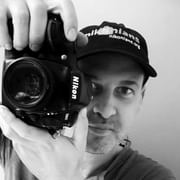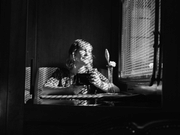


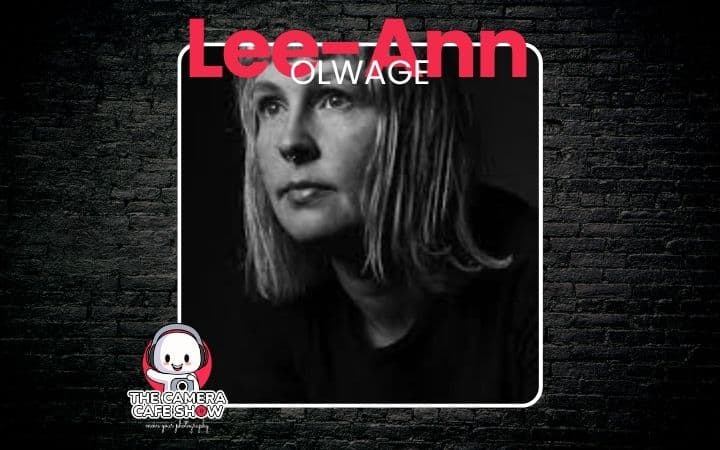
Tom: Welcome on the podcast everyone. Our guest today traded in the control chaos of film sets and set decorating for world press photography, award-winning shots. Welcome the show, Lee Ann, and it's a pleasure to see you again.
Lee Ann: Thanks, Tom. It's lovely to be here with you tonight.
Tom: I'm sure we are going to have an amazing talk. So, , you are living now in Cape Town, South Africa. What's the craziest thing I can do there, except for going to dive with sharks?
Lee Ann: Is this on your agenda?
Tom: Maybe! Tell me what's the craziest thing we can do?
Lee Ann: I dunno about the craziest, but I promise you will have the most amazing time coming to South Africa. It's my favorite place in the world. I love my country, I love the people. There's amazing food. There's this amazing melting pot of cultures. We are really friendly people, so you'll feel super welcome. Lots to see. I don't know. What would you, apart from diving with sharks, what are your other interests?
Tom: You will have to take me around. We will do some photography of course!
Lee Ann: Ah, and we have some of the best photographers in the world. Really amazing people telling the most amazing stories. There's culturally rich, there's so much depth and it's amazing to see my colleagues making such amazing work coming from our country, telling stories that are rooted in history, a strong sense of who we are as a nation. It's just, it's so good. You've gotta come and experience it for yourself.
Tom: You already touched on a question I had in my mind, but I will, I will ask you later about photojournalism now. How's the food? Very important.
Lee Ann: I know! I'm all about the food. I love eating. I love, I never used to like cooking. I actually used to make it my mission to see if I could end up at a friend's house over dinner time. And, but I love the conversations that happen around food, around the table and kind of linking back to photography when I'm working on long-term projects. The minute somebody invites me into their home and we share a meal, is the moment I know this is gonna get good. There's just this incredible intimacy about the simple act of sharing a meal, of sharing food around a table. So we've got an incredible mix of different influences. And if you look historically, there was a lot of Malaysian influences a lot of eastern influences in our food that you still see to this day. Sort of really good Indian food. And then we've got European flavors mixing and it's so unique like. Everything about it is just so unique to this place. And then one of our favorite things is cooking. Outside cooking on the fire. make a lot of food on And it's just, it's not barbecue. It's not the same as you get in the United States or in Australia. It's, cooking with wood often. And we've got these just amazing meals that we have around the fire. And there's something kind of rooted in storytelling in our ancestry that I think comes through in that for me.
Tom: Mm-hmm. You realize it's eight o'clock both for you. As for me, we are going to get very hungry if we keep on talking like this. Leon, I, you mentioned to me that you are more a bit of a shy person, but we are here on the podcast together. We see each other. We are, we are doing well. You think when you hold the camera in your hand, it changes a bit who you are or it reveals like another side of you.
Lee Ann: I think cameras, you know, I'm always amazed at the a access they give us to people's lives. I mean, I can't imagine somebody knocking on my door and standing with a, with a camera or saying, you know, I'd like to come and sign and get to know you and. And kind of going, Hey, yeah, sure, let's do that. You know? And I'm always amazed at how people kind of open up their lives to you. And I often feel like the camera does that a bit. And that's a good and a bad thing because it needs to be treated with a lot of sensitivity, a lot of respect for the spaces that you occupying, especially really intimate spaces where you are working with people and they're revealing sometimes the innermost parts of their lives, or traumatic experiences or beautiful experiences, you know, and all these things they're sharing with you openly. there's a sense of responsibility that comes with that, where you become the guardian of those stories and you need to think about where they go, how you tell them, what you tell, you know, what is necessary to show what is necessary to maybe not show. So I think the camera, for me, it's always been. A great tool to interact socially because I am definitely very shy. I'm very introverted, you know, in life. Like if I was at a party, I wouldn't up to somebody and talk to them as easily as I would if I'm working on something and I have the camera. So it's given me incredible access. But it's also sometimes been something that I, you can hide behind. Like I think when we tell stories and when we deal with life, when you are dealing with heavy things there's kind of this way of disappearing behind a camera that can also be a good thing or bad thing. It's an interesting tool. And then there are where I think, really wish there wasn't this big thing in front of my face when I'm making an image because I wanna look at you, I wanna look at your eyes, I wanna engage with you. And feels really like it gets in the way as well. So. all those things. And I guess that's kind of what life is as well. It's like, it's all those like things thrown into one magical box that helps us to, to make these images and to tell stories.
Tom: Yeah. I don't know who told me on all the talks I did. It says that the camera is my passport to be curious.
Lee Ann: Mm-hmm. Mm. You know, it's, I'm very I'm greedy for life. Like, I wanna experience as much of life as possible. And for me, the camera has definitely been a tool that's opened up incredible worlds that I would otherwise never be exposed to. And I love that. I love that of it being a tool for curiosity, a tool for, really embracing life, for dancing with life, you know? And. It's, it's a really great thing, but again, it's definitely important to be aware of what it means to use it as well. It's, it's a joyful thing, but it's also, it carries a lot of weight.
Tom: hmm. Before we dive a bit in your life. Hmm. Beekeeping, you recently became very interested in beekeeping. I know.
Lee Ann: Hmm,
Tom: Is this what intrigues you the most? Leon, is because. It gives you like a non-obvious life lesson somewhere,
Lee Ann: hmm.
Tom: you just find them very fascinating little creatures.
Lee Ann: You know, when I found photography, which kind of happened a bit by chance, for me, I always, I always call myself an accidental photographer, even though I always knew I would be a storyteller. I never knew from beginning it would be photography. Since finding photography, it's about 10 years now since I've picked up my first camera. I've never discovered anything that brought me that level of joy. And then earlier this year I was photographing a beekeeper in Zanzibar, deep in in this tiny village. And in order to photograph him, I had to put on the bee suit and get really close. And there was this moment where the bees were just everywhere on my hands, all over the camera. And for a moment I almost felt scared because I think we always told as children that, you know, be careful of the bees don't get stung. There's this fear that we taught and there's this moment of anxiety and then kind of breathing through it and going, hold on, this is amazing. Like this is just phenomenal. How, I don't know. It's, it's interesting because it relates back to nature how we. How we transform things, you know, from pollen to honey. about respect. It's about that relationship with the self. And so when I discovered that earlier this year, it was one of those moments where I was like, this is another thing that really sets my soul on fire the same way photography does. And to find, like, to be lucky enough to find a second thing that does that just, that's great. I mean, I'm just, I just, I get so excited about the bees. I'm getting my own beehives now. I've been looking at where's the best place to put them? Where will the bees be happy? And I feel really lucky to have found this other thing that sparks that joy for me.
Tom: It's amazing, ? I love the energy, how you talk about it. Yeah.
Lee Ann: I'm very excited. It's a good feeling,
Tom: Mm-hmm. Mm-hmm. Now, Leon, let's walk a bit back then. It's interesting because we almost had like a bit the same life path. We both started film school. Before walking into photography, I think you were, you worked for years as a set decorator, and then you went over to photography. What sparked that? That what make that shift happen?
Lee Ann: You know, it's actually only recently kind of connected the dots a bit more. So I studied film directing and knew I wanted to be a storyteller. And then after studying I got a job kind of by chance as in the art department. So I started there and eventually started working for art directors. Started set decorating. I love that. I really enjoyed that process of thinking about a character for movie. Like how do you, how do you find the perfect props? Who are they? Who are there as people? Like I've always had this curiosity about people and how do you visualize that? And then when I was 28, my partner at the time, and I, we went to Indonesia for six weeks and said, well, let's buy a camera and take some holiday pictures. And I said, well, that's kind of a waste of money. You know, what do we really need a camera for? You know, we've got phones. It's, it's a nice idea, but it's, it's not worth it. he bought the camera anyway. And I fell in love with a medium after picking up the camera. That kind of moment that things really happened for me was he became very ill and he ended up in hospital for quite a while and we were in a very remote area. So every day I would walk, I think it was about seven kilometers to the hospital to visit him. on this walk I would carry the camera. And for me it was a way to process what I was feeling, to process that fear, that concern. And kind of circling throughout my career, a lot of my work has revolved around illness, stories about dementia personal stories of loss of illness, kind of linking how do I come back to myself, how do I process what life is throwing at me? And for me, photography's been that constant tool to deal with that. So after that, I carried on working on movies for a while longer. And then a good friend of mine passed away and I knew something had to change. I was 30 at the time, so. I was a bit of a loss and I think like most people, I started questioning things. You know, I loved working on movies, but it also felt like it was just creating entertainment, which we need. You know, that's not a bad thing, but I needed more. And so I went off live with the black members who are an all female anti-poaching unit in South Africa, and I just bought this medium format, hustle blood camera, and I had no idea how to use it, but I knew that if I could go and live in the bush, I've always kind of liked going back to nature, going back to that solitude and be surrounded by these strong, credible woman. Maybe something's gonna happen for me. And I remember trying to use this camera and kind of being really cumbersome and difficult and phoning the guy who sold it to me. And he said to me, Leanne, please, please, please, please just send the camera back. I will refund you. You will never be a photographer. You have no idea what you're doing. Really infuriated me. But it was that moment of kind of being there and somehow making a few images that worked and somebody seeing them and saying, this is interesting. You know, made me realize this is what I wanna do. I wanna tell stories and this is it, and how do I get there from that point, you know? And into working as a photographer's assistant. I assisted a lot of really amazing photographers that became friends that became mentors, but they were all doing commercial photography. And I knew from the very beginning that I wanted to do documentary style storytelling. And people often said to me, well, would you? Why would you go into that field? You know, you in studio, this is not where you wanna be. I realized that I was learning a lot about lighting, about, what do you say with an image, you know, and it really had a big impact on my style of photography that I do, where I really think about conceptualizing stories. I don't wanna just show up in a traditional documentary way and document what's there. I wanna think about the lighting, I wanna think about the environment. What backgrounds am I using? You know, how do you create a visual world? Like how is, what's the best way to tell the story? 'cause I really believe every story has its own visual language. And joy is kind of that discovery of what is the best way? Like how can I tell this story? How does this story want to be told? You know? And lot of my background now has a big influence on all of that. And I remember kind of finding photography a bit late in life and feeling disappointed, thinking, you know, if I studied photography and I did it in my twenties, how great that would've been. But that I did up until the point where I became a photographer now plays such a big part in everything I do. So you kind of always end up where you need to be.
Tom: Mm-hmm. But then of course, in, my case anyway, in film school, we did a lot of photography also.
Lee Ann: Hmm.
Tom: Now I have to say we didn't use hustle blood cameras. This is very unique for you, but you think there is, a practical skill that you took from there that you use now in photography.
Lee Ann: You know, I always think photography, it is a practical thing. Maybe if I studied photography, you know, I think you can teach yourself. I'm self-taught. I'm such a big fan of self-taught photographers. What they don't is. Everything else, the ethics of storytelling. How do you, how do you think about conceptualizing stories? How do you question yourself? You know, how do you evolve a project? So I think the technical skills you can pick up in lots of different ways. And for some it may be studying photography. For some people it may be assisting. Worked really well for me because I was learning on the job and I was surrounded by a visual community. And that to me is almost more important than the technical stuff. I'm not technically that strong as a photographer. Often speak to people and they get so excited about the latest this, you know, and all the features and you know, and I kind of like, if there's a camera, you know, I'll talk about the small camera or the black camera or the silver camera. You know, it's like, matter to me. people often ask like, what's the best camera to use? And to me it's honestly the one you have on you like. Whatever you have on you, even if it's basic, it's, can make amazing about how you use it, I think.
Tom: Hmm. Very true. Leon, you want some, before we go on to talk a bit about your projects, you want multiple major awards? It's getting a very long list. But I have World Press Photo and Sony World Photography, Awards in my head. Did winning these contests change a bit in the way you think about yourself?
Lee Ann: Hmm. Yes, I think a couple of things came out of it.
Tom: I,
Lee Ann: it's interesting 'cause when in 2020 when I won the First World Press photo award, it was life changing in most amazing ways, but it also challenged me in a lot of interesting ways that I didn't expect. The first thing that came out of it that kinda really stood out for me was that was for personal project. And it was such a strong affirmation of the importance of making work that you care about first, you know, where it because you believe in it, you want to do it, you persevering with it, you know, whether you work through the difficulties of getting access to a space or community, whether it's the difficulties of funding self, you know, self-produced work. just really affirmed to me that. You don't have to have the big publications backing you for it to be a good story. Also loved that it was what I like to call a quiet story that was recognized that, yeah. Where it wasn't breaking It was a story about drag artist reclaiming public spaces in the townships of Africa where hate crimes that happened. And to me that was really profound to also, you know, at that kind of start of my career, realize that don't have to always tell those loud stories to get recognition for your The thing that happened that I didn't see coming was that after that I compared all the images I made to that image and I wanted everything to be that good. I was making work from a space where there was a bit of freedom, I wasn't really thinking about how the work was gonna be received. And all of a sudden I felt like I had this pressure. Like people were phoning me up for Simons and saying, we saw this world press photo. It's amazing. We want that. And I didn't feel that freedom anymore to just make work just because I wanted to, or just because it felt right. I kind of felt this pressure and a while I just, I felt a bit lost and I felt like I was making work for the wrong reasons. And so I took a six month sabbatical where I didn't pick up a camera at all. It also coincided with my partner and I starting an overlanding journey to drive around the world where we spent five months living in our Land Rover and driving from Rotterdam to Yvan in Armenia. And that was good. It was good to because I think so much of how you live life forms your photography and it really helped me to come back to myself and to kind of go, you know, I don't care. Like I'm making something for me again. But I had to take, I had to break up with photography for a little while to get back to that and to kind of just get away from that pressure. Because awards are great. I mean, the recognition for the work, the work gets seen by such a wide audience. And of course you want that. That's, I think, the ultimate when you work on projects to get that global reach, but also kind of make you lose your way a bit and. And kind of make you start also working like in a formula, because I was very good at doing environmental portraits and they're always good. And even when I do assignments, I almost instinctively always do that environmental portrait because I know it's gonna look good. I know it's gonna make a great spread, but you start working in a mold and you've gotta break out of just kind of come back to story being unique, every story, having its own language and, just finding the joy for yourself, you know interesting. It's a hard mirror to hold up to yourself at times.
Tom: Hmm. I think I already had something like, a discussion like this with photographers working for, certain magazines. They would shoot, they would shoot personal work, but more focused on the style of the magazine. You know, that they know this is they, that this is going to like it. So a break is very interesting. Although I think you never had that moment that you say, oh, I saw something amazing. I don't have my camera. No.
Lee Ann: course. But it's also, I think, hmm, it's interesting what you're saying because when I got my first assignment for National Geographic, the first thing I did was go and study every National Geographic I could find, because now I'm working for them. So must look like what you see. And luckily, I worked with a really good editor, picked up on the fact that I was kind of obsessing about this little bit, and she said, yeah, and. We hired you because we like what you are doing. And as photographers, I think that's so like finding your own voice and then when that moment comes and it does that, you get your first assignment for the New York Times or national geographical, whoever it is for you know? then kind of not getting sidetracked by it. It's the same with the awards thing. You know, you kind of your compass a bit. And the thing, I think, is to define your own voice and to figure out what makes you unique. Because there's so many photographers, there's so many storytellers out there, you know, so are you gonna tell this in your own way? And how do you, how do you really kind of nourish that and develop that and then stick to it, you know? And if it's not the right fit, then that publication's probably not a good match for you. And also knowing when to say no, like, sometimes things just don't match up and an important lesson, but it takes a bit of time to get there, I think. Yeah.
Tom: who's the person you phoned the first after you learned you won a big award?
Lee Ann: You know, I actually do something really strange. I don't tell anybody for at least 24 hours. I re, I received a grant this week, a really big, important one. And I actually have, tell anybody initially. And then the first person I told is my partner. I haven't told my family yet. I haven't told my friends. It's weird. It's kind of nice to have something that you just hold close for a little while, that's just yours, and can share it with the world later. Yeah.
Tom: Okay. No problem. This podcast will take a month to come out. You have time to tell everybody the I have so many questions and I thought because you are a bit shy, we are going very fast and now you really like to talk, so that is amazing. But now we really have to walk into your projects a bit. It's what made me very interesting in writing the email. If you could come on the podcast because you have a lot of work that. Related to gender education identity or stories that people often ignore.
Lee Ann: Mm-hmm.
Tom: Was this a choice or do you think they somehow picked you?
Lee Ann: Hmm. You know, I often, people ask me my projects and I think we are naturally drawn to certain stories. But I also definitely feel like a lot of. long-term projects I've worked on have picked me or have kind of found a way to come across my path. So I'm definitely always interested in stories relating to women and girls. Gender's been a big theme in my work and gender rights. And I think specifically because I live in South Africa, it's been very interesting for me because we've got such a liberal constitution where people's rights are protected on paper in terms of the rest of the continent. If you look at what's happening in other parts in Africa a lot more difficult for gender diverse people in Uganda, for instance, or other parts, you know? And so on paper it like it's a good place to be, but the reality that people experience on the streets is very, very different to that. And so this kind of led me to ask the question, well, where do people not only feel safe, to be themselves, but where are they celebrated for who they are? And that question led me to one of my projects on drag queen beauty pageants. And I loved going into spaces where people really are celebrated. And I loved the pageant scene where there's the glitz and the glamor of getting ready, of getting made up, of wearing beautiful dresses, of being on stage. But then there's also a really interesting thing where. Different communities and different people would have different experiences within these spaces. So often people coming from the black community where the Causa culture, Zulu culture definitely denies queer identity a lot. You know, those drag artists would de drag before leaving the venue and going home. And then you had people of mixed race, ethnicity, the Cape colored community. Then they really celebrate the culture, you know, so was interesting. I kind of curious about that intersection of cultural identity and sexual identity where your cultural identity can often deny your sexual identity. And what does that bring with it and how do people reclaim their own culture? How do they still celebrate it despite there being that clash? And that kind of comes back to what we spoke about at the beginning about South Africa being incredibly rich multicultural space where. There's just this vast landscape of experiences in one country.
Tom: Hmm. Then why not start with Black Direct Magic, the project.
Lee Ann: Yes.
Tom: Now
Lee Ann: So yes. Go for it.
Tom: this was, this was a collaboration with, let me think, Belinda
Lee Ann: Come back.
Tom: Kaumba Kafai.
Lee Ann: fuzzy.
Tom: I had hoped she was sitting there next to you, but I forgot to ask this. That had been amazing.
Lee Ann: that would be great.
Tom: So how did you meet her and after you talk me through this, I want to know if the roles you both had in the project changed during all this time.
Lee Ann: So. The project black Drag Magic was an evolution of the first project I just spoke about, which was called the Queens of Cape Town. And so for about six months to a year, I think no, year over year, I worked in the drag queen beauty pageant scene. And lot happened over that time when I first started making the work. I remember after every pageant, all the drag artists would send me messages saying, can you please share the pictures you took over the weekend? So every weekend I'd be there Friday, Saturday night. And what was really kind of great about that was that there was instant feedback on the work. So very early on, one of the drag artists, I can tell you this, drag artists are incredibly honest. People said to me, I really don't like my pictures. And this was really difficult to hear. And maybe to give a bit of context. So I had this idea that the images that I was gonna make, I would use this very harsh lighting to play with the masculine kind of facial features within this feminine persona. so I asked, well, why don't you like the image? And she said to me, well, I don't look beautiful. And I realized the lighting was way too harsh. It wasn't right at all. this was kind of brilliant because the moment I could get over my ego being a bit bruised, I realized that there's a gap between the way a photographer often sees a story and the way that people see themselves in how they want to be represented. And so that was great because the work evolved out of that experience. And then about a year on there was a national drag pageant called Miss Drag South Africa. And I decided to go to another town. It's about 11 hours by bus. So I decided to join all the drag artists and I traveled by bus with them, 60 drag artists for four days, and we went down to town and I cannot tell you how incredibly deeply I was outta my comfort zone. Again, being quite shy and quiet and being surrounded by everybody, it was a really sensory overload. But what was amazing was seeing how our relationship changed. And I think because they knew that this was a big thing for me to do, that wasn't that comfortable. my commitment to the work I was making. And after that, started really evolving, flowing, and so after that, the following year, Belinda decided that she wanted to enter the pageant. And at the same time, I, so I'd known Belinda for a while and a couple of the other artists that I became friends with. And I said, well, I wanna do more collaborative work. You know, come with ideas, let's talk about it. And so, Belinda came to me and said that she had this idea of doing this project in the township. And at the time, I was starting another project about reclaiming spaces, and I was very curious about reclaiming history through photography. And so there was this really great point where these two ideas met and where we spoke about it. And for quite a while, I wasn't a hundred percent sure if I was the right person for that project. So I said to Belinda, you know, think about it and let me know if you think, you know, you wanna work with me, or maybe there's somebody else from your community or that you know that's maybe a better fit. And after about two weeks, she said, you know, I want you to do it. I'm still, I feel the same way, and let's go about it. And so we started the planning the project was created in Cher one of the biggest townships in South Africa. And we had these very specific spaces. So we were a group of six drag artists and we were working within the township and going to specifically spaces where had crimes have happened and creating these portraits of the artist in full drag. and for each of them there was a different expression or something that they wanted to say with the image. And that was the idea, the concept behind the project.
Tom: Mm-hmm. Because if I remember right, Leanne, the project is like highlighting what says your constitutional right of a person, but the daily reality of the danger in the, in the townships, you always, you always had a bit of sense , of danger , when you were making the pictures.
Lee Ann: I was very concerned for a number of reasons. Two of the artists lived in that specific township, so there was not only a concern of the day that we were making images, which was a big concern. I mean, obviously we were drawing a lot I was in a space where I stood out and all, everybody was in full drag. So, you know, we did not come quietly and we moved very, very quickly. We never anywhere, but we didn't face any threat of violence on the day which I was quite relieved about. And. I really struggled with the question of whether it was the right decision to go and make the work. And little while before the shoot, I spoke to Belinda and I said, you know, I'm concerned about everybody's safety. I'm, you know, how do we, how do we navigate this and how do we make the decision? And she just said to me, we don't make this work, it's like we don't exist. And that to was kind of the moment where I went, okay, this is it. We need to do this. This is important.
Tom: Hm.
Lee Ann: what was actually really great was that we invoked a lot of curiosity. And because we were in public spaces, a lot of people came to engage. They had questions and, but not only can. Would creating the work as an act of activism, but also kind of inviting conversation. There was an opportunity for people to engage in a way that it wasn't previously possible. And that was phenomenal to see. And then afterwards, we held an exhibition in a community hall in the same township where people could come and engage and ask questions and talk about it. And I think that's important. I think always ideal if you can take the work back to the space it was created in. it's not always possible, you know, sometimes it goes the spaces, but it's great when that can happen.
Tom: mm-hmm. What you think is the biggest lesson that you learned from them?
Lee Ann: Hmm. I think how difficult it must be. To not feel safe to be yourself every day, you know, and what that actually means, what that means, you know, psychologically how that feels emotionally, where you are hiding parts of yourself for your own safety. And then I think despite always a sense of the celebration of life of saying, I'm here, of taking ownership of that I, you know, I really admire. Yeah, I think identity is, it's a big theme in my work and it's always incredible for me to see people really celebrate their identity and kind of how we're so layered as people, you know, you've got, you've got your, especially in, I think Africa, cultural identity plays such a big role in how people experience life and how they express themselves and. It's, it's wonderful to see how people kind of navigate that, and it's kind of working through those spaces as well.
Tom: Hmm, because the language is,
Lee Ann: Za, is it
Tom: I'm saying this right,
Lee Ann: Yeah. Mm-hmm.
Tom: and I think there is no word for queerness in their language.
Lee Ann: No, so that was,
Tom: How they call themself.
Lee Ann: You know, it's, I'm not a hundred percent sure, but what I, that was one of the things that was really interesting to me is how language plays a role in how you express yourself, how you talk about yourself. If your language doesn't, doesn't support that, you know, there's something missing. And I came across the same thing when I was working on the project about dementia, where a lot of the countries and where I worked, there was no, there was no word for dementia or Alzheimer's. For instance, in Madagascar, the closest we came was French Deins, which is like demented. It's got such a negative connotation to it, you know? So that's another thing that fascinates me is does language support you all or take away from your experience? And that again, comes back to culture and that kind of layered aspect of people. Yeah.
Tom: Then what's the funniest thing that's happened on the, on all of the shoot?
Lee Ann: That one, I think that one particularly, I had an assistant helping me with a light and he managed to get a marriage proposal out of the day, which I thought was great. we drove around the township. I had this small we call it a bucky, it's like a small pickup trucks in the front. You have G seats. And in the back there's some space. And everybody, we were in the small vehicle kind of going through the township and he was squeezed in the back just surrounded by drag queens and I love that moment of the marriage proposal. That was a great one. What else is there? I'm gonna come back to that question. I have a few moments that have been,
Tom: Have a think. Yeah, yeah. What I like about this project and about the next one, the right to play, is that instead of looking purely documentary at it, Leon, is that you make it an O to celebration
Lee Ann: Hmm.
Tom: a really. I really like this because the next project, the right to play about girls who avoided female genital mutilation and child marriage in Kenya, it's a bit the same When I see the, the pictures. Was this a conscious decision before you started the, the project to make this o of this, of joy.
Lee Ann: I think it's, I love the idea of photography as a medium of celebrating people that you photograph celebrating these stories. And I think one of the things that kind of came up for me quite early on was, you know, I was born in South Africa. My family's been here for five generations. I live and work on the African so much of what we see in the media often shows people at their worst, it shows people as victims of their circumstances. And for me, that was something I wanted to avoid from the very beginning because. There's so many amazing things happening and they don't often get shown. And so when I had the opportunity to think about the topic of child marriage and FGM, I decided to, instead of showing girls that were undergoing FGM, that were getting married really young, I wanted to show the opposite of that. I wanted to show that not only was there solutions coming from those very communities, not from some outside NGO or some savior coming to fix things, the community, you know, that's coming from that very space that those societal issues are rooted in. And I think by showing joy, by showing the opposite of a problem, by showing a solution, we can start a very different narrative around it and we can show what it can look like, we can show it's already happening. And I love the idea of joy and everything about that project kind of came together. So beautifully. It lent into the idea of celebration as a theme in my work. Idea of the right to play where children should be allowed to play. They shouldn't be wives at age 12. You know, the joy that I saw in the girls at the school and it, and kind of everything was just there. It was all just, it was happening on its own. It was just about. it within the frame to show that. And I love the joy that the girls had, but also the pride and the confidence where there's one image in particular that I absolutely love of a girl called s was eight at the time when we made the image and I was in the school hall, I'd set up a light. We had some chairs and school benches and things, and every girl came in and she kind of just walked in and she grabbed a chair, she put it on the stage, and she got on top and she stood there really proudly. And she said, I'm ready. And I thought, oh my God, to be eight years old. And that confident and to know how you wanna represent yourself, that to me was phenomenal. But that's what the school does. You know, when you, when you tell girls they're worthy, their dreams are worthy, that's what happens. And that's what I wanted to show.
Tom: Mm-hmm. Because you worked closely with the NGO Ca Kenya's dream
Lee Ann: That's right.
Tom: on this project was, were you, both, you as a photographer and the NGO on the same line of how you wanted the project to be?
Lee Ann: So there's a bit of backstory. I was asked to make a short documentary about Ka who's the founder of Ka Kenya's Dream. And so I went there with a documentary team and we made the form for Gates notes. And I mean, she's just got this incredible story where she had undergone FGM, she was set to be married really young, and she negotiated with her father to finish her education. And she ended up going to the United States to study then decided to go back and to start something and to give back to her community. so while we were making about her story, to me, it became so obvious that her story should be told through the goals. And so I decided to stay longer and to do the project, the right play. And was amazing because I went to her and I said, you know, KA, I know we are almost done filming. I wanna stay on and I wanna do this project, but I've got this idea about the flowers and this, and didn't have the words to explain what I wanted to do. I just kind of had a vague idea, but I could see it. I just, and she just had this amazing trust in me. And I have to be honest that some of my best work have come out of those partnerships where there's this incredible trust have the same with a skincare brand called that I'm working with at the moment. And we've been working together for five years where there's just this phenomenal trust. And I find that when it's there, you make your best work. And there's this kind of synergy that happens that I really love. Hmm.
Tom: Mm-hmm. Now, you talked before about the, about the little girl standing on the, on the chair. I was wondering how much of the posing the environment or the expressions was directed by the girl themself.
Lee Ann: So what I loved most was we set up the studio in the school hall, and then I had my computer. So I was shooting straight to the computer and then there was a selection of chairs and all the girls came in and I always gave them the option whether they wanted to have some of the other girls around, or if they felt shy, some of them maybe wanted to be alone. And each one of them chose, how did they wanna stand on a chair? Did they want a desk? You know, and they tried different poses, but what was really fun was seeing them come to the computer and look at the images and go, okay, hold on. Wait, I wanna try this, I wanna do this. And then to say, okay, this is the image I like most. And then I would tag those and those became my select. So the joy I guess of digital is there's this instant conversation, and I love that. I love the conversation around the image making of showing the images. Like not secretive about them at all. I love showing them, I love hearing feedback and I love asking people like, what do you wanna try next? What do you wanna do? Like, you know, when you just hold space to play and to experiment, I always find like the most amazing things happen that otherwise you wouldn't ever come up with. You know, if you directing it as a portrait photographer, for instance, you can only go so far. But when you collaborating with people, when you are having those conversations, there's this space where better always comes you ever imagined. And I really enjoy that space to just create, to it. And yeah, just to kind share the joy of image making.
Tom: You also talked about other things with the girls. What's the most amazing dream? They had, they shared with you.
Lee Ann: It was interesting because most of them wanted to become lawyers so that they could change and be involved in policymaking in Kenya specifically. And I thought that was phenomenal. And then my other favorite was quite a few pilots. A lot of them wanted to be
Tom: Okay.
Lee Ann: like I really love that. But I also something that happened. I did an exhibition in Tokyo of the work and had a group of school girls come. And for them it was just so strange to see these girls and to kind of imagine their life and that cross-cultural conversation that came out of that. And I'm very curious about that. Like, and I guess that's what art or photography does, you know, it opens up those conversations to. from different corners of the world that have vastly different experiences to kind of get a peek into each other's lives. I love going back. I went back to the school last year, I think it was. and I just, a space that I continuously kind of wanna keep going back to where it's evolving, it's growing, and a joyful space. It's just incredible. Yeah.
Tom: Mm-hmm. This Leon, this project is what a award. It won the Sony World Award.
Lee Ann: That's right.
Tom: Yes. So then suddenly your story goes global and it provokes a lot of reactions in all of the world, but in the community that in. I go out in the community that are in Kenya where the girls live. It provoked also some, maybe some positive or challenging histories.
Lee Ann: I think one of the most interesting things that came out of, out of that was that Vogue did a feature on the images. And what I think was really interesting was also hearing that, know, only worked with a couple of girls, a very small amount. And so when that happens, or when there's recognition like that, often happens is their sisters or their cousins, or you know, their youngest siblings see this happening and they see the importance and the value of that choice of not getting married, of not undergoing FGM, you know, and I think that's where the real power lies, is that you're kind of saying to somebody, are on the right path, keep going, and, that the world is looking, you know, and. I don't think, if you haven't been to Newin, you can imagine this tiny rural area where the school is and the lives of these girls, and what the average life of a girl in that space, you know, what that could be like. But then you have something, you have a story, and it gets global recognition. And, you know, it's, it's interesting because it starts a lot of conversations in lots of corners around the world. But also for the girls, it's an affirmation and for their families that important, this is good, what you're doing. And sometimes it's nice that reminder that you're on the right path. I think,
Tom: mm-hmm. I'm sure you're making even a small difference in their, in their lives. Leon, it's amazing.
Lee Ann: I think for me it's, you know, we always hope that work will have impact and. important, it's important to raise awareness about issues we care about to tell stories we care about. But I think kind of the most for me is coming out of that interaction with people. Those moments that you share, that experience of life, of that kind of moment where it's like, I see you know, and you doing this thing, and get to experience a little bit of somebody's life. Like I really, I really thrive on that, on kind of, think of it as like a love affair with life. You know, in all its bits, you know, all the, all the goodness, all the laughter, all the joy. Also all the sadness, all the heartbreak, like all the things that make us human come through those experiences that we share and, and that kind of tenderness of looking at another person and just going, I see you, I see your story, you are important. Yeah. And you see we are talking and time goes very fast, Leon. going.
Tom: It's amazing. It's going because, but we will, we will insert it very quick. Anyway, so after you did some social injustice projects, you decided to make another project on the state ballot of Georgia.
Lee Ann: Yes. This is my newest project and one I really loved working on. I love Georgia. I've been going with my partner for the last four years and for four years I've been thinking about what kind of story I could tell there. And I knew it would be that, you know, Georgia has such a strong national identity, strong cultural identity. And then of course the story of ballet, of dances. appeal to me. But the specific has a kind of a really interesting history where Nina an is one of the greatest ballerinas of all time and she's Georgian and she was the prima ballerina, the Bolshoi Theater in Moscow for 23 years. She was the first ballerina from the former Soviet Union to dance at the New York State Ballet. She's got this incredible history. She's this phenomenal person. And then she was asked. 23 years ago by the president of Georgia at the time to come back to Georgia and to get the state ballet running. And she did.
Tom: Okay. Mm-hmm.
Lee Ann: and she started from nothing. She started it from, you know, post-Soviet Union where there was no electricity. They had no money for salaries or costumes. And building up this world class ballet company where young people, young dancers, are so excited to be a part of it. And it was such a privilege to experience that this year and to spend time with them and just a really beautiful story. Beautiful people that I got to photograph and meet. Yeah.
Tom: Mm-hmm. I was thinking that as an audience, we only will see ever the polished show in the end. What's the most incredible moment you saw backstage?
Lee Ann: Hmm. I think the, I mean, I really enjoyed the dedication, seeing the dancers just show showing up, like working so hard. But I think for me, like really small moments of Nina, you know, who's this incredibly accomplished woman and the backstage, you know, where there's a dancer bending over and she's really tired and her just kind of gently putting her hand on her back or fixing all the little props on stage. And it's kind of, and I think just the kindness and generosity. I was, I was quite nervous about photographing the project and I was just welcomed. And again, that trust and given free reign, you know, just to come and go as I pleased and to make whatever work I wanted to. And that for me was really profound. And that access, I just really enjoyed that space to experiment in and to work.
Tom: Mm-hmm. And also in medium, formal camera.
Lee Ann: Yes,
Tom: the Fuji. I think you tried the Fuji camera.
Lee Ann: yes. Oh,
Tom: Mm
Lee Ann: just remembered one of my favorite moments where I was backstage and when one of the dressing rooms and all the girls were getting ready and there was an old, a really old lady helping the girls, and I think she saw us really tired and she made me a cup of coffee and she had these pastries that she had saved for lunch, and she shared them with me and we couldn't understand each other at all. But she was just like this grandmother kind of saying, Hey, I see you know, you've been here all day. I can see you hungry and tired, and that kindness. It always just, it's again, coming back to that idea of sharing a meal. That moment where you just kind of feel like you're coming home to somebody. But yes, shot on the new Medium format, the Fuji Film, GF one. Sorry. The, they're gonna shoot me for this one. The Fuji Film. G no, sorry. Fuji
Tom: XTFX.
Lee Ann: Rf. I should do that again. love that camera. And I'm so not a gear person. But have not picked up a camera that I've loved as much as that one. it's range finder style. It's really compact, it's small. brilliant piece of equipment.
Tom: Mm-hmm. Well, I'm looking forward, I think I saw one picture on your Instagram for now.
Lee Ann: Yes. There is, ah, there's such beautiful images. I can't wait to share them. I'm very, very excited about this. Yeah.
Tom: Then we will see them. Leon, as a South African photographer working on the continent, you think you have a certain advantage as an, or like, say an African perspective. That would be different if we would parachute somebody else from the global north inside Africa to make the same story.
Lee Ann: You know, I always think there's a benefit to insiders and outsiders. know, people that are part of a community, part of a specific time and place. You know, that. There's a benefit in that, in the storytelling that they're be doing. you've got outsiders. And sometimes they come with a really different perspective. And it's always tricky because every person's unique, the way that they approach things, the, you know, the ethics of how they tell stories, it's different. What I am excited to say and see is that there are so many brilliant photographers on the continent telling the most phenomenal stories from own cities, their own communities. And I'm seeing more and more of that work getting the recognition it deserves. And I think that's really valuable and important. I think that you, when you tell those stories, and again, those stories that you care about deeply, you know, where it's not, it's not the headline, it's not breaking news, it's not a major story, you know, but it's. It's important to you and you're gonna tell it in a unique way. There's so much value in that, and I'm a big fan of that. You know, and of supporting photographers doing that. I think we need more of that. We need publications to see the value in that, you know, that there are so many talented people on the continent doing amazing work. And it excites me. I just see the most amazing storytelling happening here, and I'm so proud of my colleagues and of the photographers doing it and being part of that community.
Tom: So Leon, if you would mentor a young photographer in South Africa who wants to pursue this long term documentary work, what would be the single most important piece of advice you would give him or her?
Lee Ann: Hmm. I think maybe one practical thing and one inspirational thing. Inspirational thing would be really celebrate the way you see the world. That is your superpower. It's gonna be what makes you unique. It's gonna set your work apart from thousands of other photographers. You know, lean into that, like nurture it, evolve it, you know, spend a couple of hours every day if you can, or once a week, make time and really figure that out. Who are you? What makes you know, what's that kind of that makes up who you are? You know, what, is your foundation? What is important to you? That's important. I think a practical thing is to think about the sustainability of photography as a career. And it's maybe something that doesn't get spoken about enough. It's not always easy, but it is so worth it to do so. If you need to other ways to support you in your journey as a storytellers, a photographer, there is no shame in that. There is no shame in, a side hustle or working, you a waitress or as a wedding photographer, you know, I'm a big fan of not sucking the joy out of photography. By putting that pressure on yourself, that has to be your sole income. You know, find a way to make it work for you and to build a sustainable career that's not gonna exhaust you mentally and financially. And we don't often talk about how difficult it is to consistently get enough work to the ball rolling, you know? about it. Find ways to make work for you. It doesn't have to just be this one thing, make sure you dedicate your life to that thing you love and it will find its way that I can promise you. And love mentoring. So anybody that ever needs advice, reach out. I've been very lucky to have incredible mentors and I love chatting to people and kind of just lighting the way for those that are finding that passion.
Tom: Mm-hmm. So you just made an open call on the podcast?
Lee Ann: Absolutely. I love it. I love, I love kind of talking and like I said, I've been so lucky just to have the most incredible mentors who've been so generous with their time. That to me it just makes sense to kind of do that for other people as well. Let's, let's do a classic question if you could, Leanne, travel back in time just for one day, not, let's say, not to make pictures, but to witness an event. Where and when would you like to go? Hmm. I think I'd love to
Tom: You only get one shot. Think.
Lee Ann: wish.
Tom: Think very well.
Lee Ann: I think for me it's, it's a really simple thing. I'd love to see my mom as a child and kind of, 'cause I think life's been quite hard on her and I'd love to see her in a space where there's just no worry and freedom and joy. I'd love to witness that. I think everybody deserves that and I think that would be a really nice thing to see. Yeah. And you, what would yours be?
Tom: A good question because I was thinking about yours and now I'm caught off guard because yours is very beautiful. I was thinking of some historical event you were going to,
Lee Ann: Hmm.
Tom: to tell me. I was really thinking now, if you ever met Nelson Mandela?
Lee Ann: I was also thinking that would be if it was an historical event. I never met him. My father met him. Historical. I'd probably like to see the day that he was released from Rob Island. I think that could yeah. Or just see him, see him where he grew up, where he loved to box, maybe boxed as a teenager and just kind of see him. Free from everything that happened later would be interesting as well. Yeah,
Tom: Yeah. But you made a very, very nice choice. I like it. Leon. To end this, you see your experience as a film set decorator. You see my little studio here? Anything missing? From your professional view, you know I have, I have the cup.
Lee Ann: okay.
Tom: I will send you one.
Lee Ann: Yeah.
Tom: I have the coffee mug, so any tips How to improve my studio?
Lee Ann: No, I love the cameras, I love lighting. I think I'd have to know a bit more about you to truly, to truly comment. Ooh, artwork.
Tom: That's good.
Lee Ann: I dunno, I can see some,
Tom: need some, I
Lee Ann: some images in the back.
Tom: I will put something here. Yes.
Lee Ann: if others can't see it. Just something, I dunno. I'm a,
Tom: Okay.
Lee Ann: like a bit like a crow like that I surround myself with like little bits of things I notice that I write or little pictures. Yeah, I like to surround myself with things that are precious to me. personal, I think.
Tom: I will. I will await your email with all your suggestions. No problem, Leon. I think we are there. I had more questions, but then we will go a podcast with two hours, but I think you and I can have another talk one day about live and photography because I'm been enjoying this very much
Lee Ann: me too.
Tom: For now. Thank you so much for taking us on your incredible journey tonight and it's been an absolute pleasure having you here, Leon.
Lee Ann: Thank you. I really enjoyed it.
Tom: Mm-hmm. I hope we can catch up in South Africa with or without sharks and a good coffee maybe.
Lee Ann: It sounds fantastic. I'm looking forward to it.
Tom: Okay. I'm looking forward to your pictures of the state ballot of Georgia soon
Lee Ann: Yeah,
Tom: and have a nice evening still, Lianne.
Lee Ann: same to you.
Tom: I see you around. Bye.