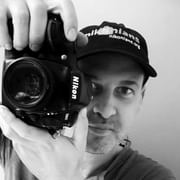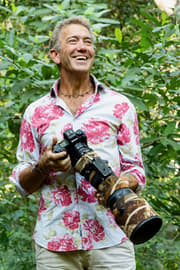


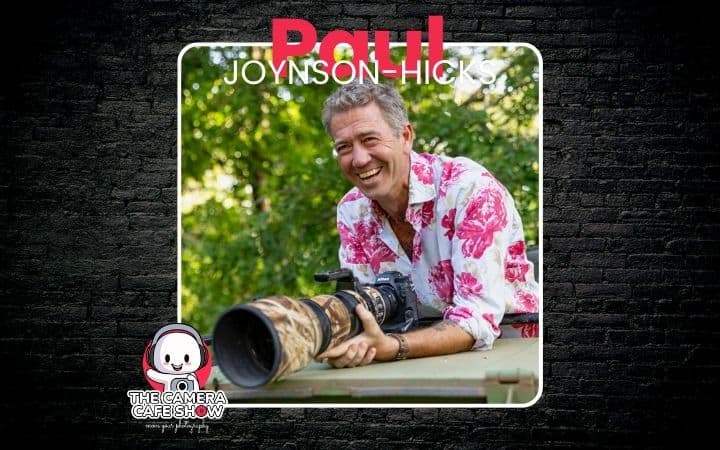
Paul: Welcome on the show everybody today and before we start our next guest, I have to really inform you that it's the fourth time we tried to connect. First time he forgot to charge his headphones. Second time we had a problem with elections in Tanzania. Third time he forgot it's the birthday of his son. But today we are here. Paul, welcome on the show.
Paul: Haha. Thank you so much for having me. I really appreciate it.
Tom: We made it work, Paul.
Paul: I'm we did. That's the main thing. That's the main thing.
Tom: For the record, Paul, it's only 4:00 PM in the afternoon, but what we are having beer or whiskey for this chat?
Paul: See. The thing is, for you, it's 4:00 PM but for me it's 6:00 PM 'cause I'm in Ausha in Tanzania, so that means the sun is over the yard. So I am on the whiskey.
Tom: You see? But I poured also a little one.
Paul: You did? Good lad! haha. You see, look you've done, you've gone the grownup route with whereas I, have a dash of soda with my, I'm on Toki, dunno to pronounce that right. But it’s a nice Japanese Whiskey.
Tom: Excellent. Cheers. Paul, let’s have a nice talk.
Paul: Yes. Santé.
Tom: Paul, most of the time you do wildlife guiding in Tanzania, and then from there, the next day you jump back to supermarket shopping for your kids to buy cereals. How you go from lions to supermarket shopping So fast.
Paul: That's a good question. The so basically , I jump from the wildlife photography guiding, just to be really clear, because there are many wildlife guides out there of which I am really, you know photography is definitely my thing. Having been a professional for. Oh, 35 years now. And so I'm guiding photography people, which is really good fun. And you know, just over here in the Serengeti, but also all over Sub-Saharan Africa. And then yeah, and then I pop home and then go and do the shopping. It's but don't we all do that, Yeah. I suppose you have a bit of a longer break if you go back to Europe or the States, don't you?
Tom: Yes, but I don't have majestic wildebeest sweeping across the planes when I go outside.
Paul: Yes. Yeah, that is true!
Tom: Paul, I think 2011, then Prince Charles, he awarded you an MBE for all the social work you did in in Africa, And you did some amazing things. But the one I really am interesting in today is the goat racing. How you start the goat racing Empire
Paul: Yeah, so I used to live in Uganda and they did goat racing in Uganda. And it was a corporate event. So when I moved from Uganda to Tanzania, that's when I thought why don't we do goat racing in Tanzania? And that's when we started goat racing in Tanzania. And it's it was a huge success pretty much straight away. And we raised. You know, I think, but I did it for, I ran it for about 10 years and I think we'd raised over a million dollars for small grassroots charities in, Tanzania by the time I finished. And then other people took the helm and then other people took the helm. And now, still, 25 years later it's still running run by the Rotary Club, which is really great news. Yeah, it's really good fun as well. Strongly recommend. You have a look YouTube's best place to
Tom: YouTube. YouTube, but you know, we are going to catch up in Tanzania to record podcasts. There.
Paul: Yes.
Tom: will have to show me.
Paul: do one in the bush. Definitely. Mm-hmm. We must,
Tom: let's walk a bit back poll. So a London boy when did photography first enter your life there?
Paul: At school really. So I was about 15, and a friend of mine was doing photography at school as an activity, an extra activity. So he said you know, , come into the dark room and check this out. So I thought, okay, that sounds fun. So I went into the dark darkroom and and I really remember it. And to be honest, my memory's pretty atrocious. It's one of the things in my life that I do remember, and it's being in this darkroom at school, and he put a piece of, you know, printer paper into the tray of developer and he sort of, you know, swished it up and down, like, I dunno if you've ever done that. And then suddenly the image appears, In the red light and the, photograph appears on this paper right in front of you. It's like magic. It was like nothing I'd ever seen. It was completely separate to anything I'd ever seen. You know, and then we washed it and then we put it in the fixer solution and so on and so forth. Uh Extraordinary. It was a life-changing moment actually, because after that I thought, oh, I wanna do some of this. So then I actually, I took it up in the club and then I did it as an AO level. Back in the day when we had a levels and no levels, it was in the middle didn't do too badly at it. And then I took pictures for the school magazine and so on and so forth. And then, when I left school, that was when I thought, now do I wanna do business or something like that, or do I wanna be a photographer? So I wanted to be a photographer, so I immediately for a job as a. A photography assistant, this was in 89 E. And I got a job with this amazing fashion photographer called Angelo Valentino, who's still a good friend, who's a lovely human being and an amazing fashion photographer. And I got a job with him, and I worked with him and sort of cut my teeth. I did his did all his black and white processing and, know, carried the camera and held the reflector and bossed models around for a year. And it was fantastic. Yeah. Gosh.
Tom: I think it brought back memories now.
Paul: Yeah. Yeah. Very much. Did I? Yeah, I haven't thought about that for a while. very happy memories. Finding finding my thing, you know, your happy
Tom: Mm-hmm. And what was the turning point that you changed the city lights for the African Savannah Paul?
Paul: So after I left the fashion photographer, I did a part-time course in professional photography at the London College of Printing. That was fantastic. And I met some
Paul: great people, some of whom I'm still good friends with and in touch with, and are supremely successful photographers. And, then I started working as a freelancer in London, and then I got a job to do a short photography job for a coffee company in Uganda in 92. And when I left Uganda in 92, after the job, it was a few weeks, I I thought I'd look for a coffee table book on Uganda I couldn't find one obviously in those days. No internet, imagine. And so I went to the bookshops, libraries, couldn't find one. So then I thought huh, I'm a photographer. What I do one, I was 21 I think at the time. So I thought I'm gonna do that. So then, yeah, I got off my backside and I found a publisher who agreed to publish it. Quite niche, but you know, they would do niche things. And off I went. I left I was meant to go for six months to do the book. Um, I went for six months. I came back to the uk. I did the post-production, the editing, all on slide film. Uh And then we did the design. I worked together with the designers, put the book together, and then we launched the book. In in Kampala. In Uganda first, and then in the high commission in Trafalgar Square in London. Second. And then I went back to Uganda and set up a life as a sort of travel photographer in Kampala. basically never looked back. I came to Tanzania in 97. I did another book in 97 travel photography yeah, and, then never looked Back , you know, you have these various kind of life changing moments. We had another one about 16 years ago and after that I decided to focus on wildlife photography exclusively. So that's what I've been doing for the last 15 years. And that's why we live up in Arusha. 'cause it's right
Paul: the heart of the Savannah.
Tom: You have to show me.
Paul: You say the word, Let's do it. I think the Camera Cafe needs a, you know, on the road podcast.
Tom: Yeah. I'm all up for it. So 30 years now in East Africa. Paul, before we start about photography. What do you think Africa has taught you about life itself?
Paul: Oof. Wow. That's a
Tom: Well, that's,
Paul: question. You thought that question up after having had some whiskeys? I think, I think that's a really good question. I think intense without thinking about it too much. So gimme a kind of, an instinctive response, intense beauty terrible suffering and poverty, at the same time, the most genuine, remarkable humans, people that live here because they, just, they can teach us so much about being happy. I mean, the people that live around us here, just in ausa, you know they, have so little to all of us in the West, and yet they are so happy to stop chat, greet, they're so polite, so kind. And obviously like any nation there's, bad eggs, but they're. Fundamentally a really extraordinary people that we need to learn from them. You know, it's the, it is the greatest irony is that we give them money because they're so materially poor, you know, and , the suffering that they go through, through lack of education, lack of primary healthcare, all those things which are terrible, and yet they are so rich in happiness, , in the ability to laugh and play and just be, you know, and this day and age we're getting so distracted. And we're getting so focused on ourselves and we're becoming increasingly unhappy because we're comparing ourselves with everyone because we, you know, you spend five minutes on Instagram and you are going, oh, my pictures aren't as good as that, or, I'm not as pretty as that person, or whatever it is. I don't have as much money as that person. Whatever. You're comparing yourself. So you, create this unhappiness. Whereas people here, you know they just wanna chat. They wanna engage. I speak fluence or heal, which makes it really easy. we greeting and then suddenly the barriers definitely come down are not entirely all the time, but sometimes. There's so
Paul: they have to teach us and the way that's the people. And then when you go out into the Serengeti, example is so beautiful. I mean, so beautiful. It's eye wateringly, beautiful, just this incredible landscape. And then you fill it with incredible wildlife. It just makes it so invigorating and sort of life enhancing. and it is, I mean, it really is. It's spectacular
Tom: while you were talking, I was wondering where is my backpack to book a flight next week?
Paul: Do it. Do it because
Tom: Good.
Paul: you. You can't come here and not be changed. You know, the, one of the big problems we have is that social media sends messaging really quickly and really intensely. And recently there was a really, Negative posts by a very, sort of well-known guide. And the negativity, you know, has so many spinoffs and it's a really interesting question because lots of people say it had a good effect. And yes, you know, it had, did have good effects, you know, on the overcrowding and the tourists behaving badly. And it's, and it is a really important thing to address, don't get me wrong. I just think it's about the, nature of the messaging, how we do it. And of course then some people say if this person wasn't quite so angry, then the message wouldn't get across, which, knows may well be true. The problem is, that it gives what we have here a really bad reputation, which is really sad. yes. It can be busy out there, but the, it's busy because it's spectacular, know? And, you just need to go with the right guide. Go with the right photography guide and you can avoid the crowds, you know, and you can have a great Mm-hmm. can experience this amazing immersive experience
Tom: the post you mentioned, Paul, is maybe the one with the will the beast that cannot cross the river.
Paul: So it was, there were people getting out of a vehicle. There've been a few posts like that. Getting out of vehicles and blocking. Yes. So people getting outta vehicles, blocking wilder, easts for crossing. And, you know, the thing is, I mean, it is. It is annoying when that happens, but the people are not bad. People are doing that, and that kind of aggression is you know, is, it's very, offensive to Tanzanians. And I suppose that's my sensitivity is towards the Tanzanian culture. That kind of aggression with bad language is really offensive to Tanzanians. You know, his messaging was, , I think effective it was it was it was hard for us guides who are of a Caucasian nature here, our photography guides here. But I think the, people getting outta their cars, it's just because they don't know. No one's a bad person. It's just mismanagement is just, you know It's a very
Paul: And, maybe if he hadn't got so angry then. Online, then the changes wouldn't have happened. So, you know, who knows? I'm just a bit more peace and love,
Tom: Who knows?
Paul: why I'm less effective.
Tom: But you are very effective in the next thing that we are going to talk about, of course, why you are here today, comedy, wildlife Photography Awards,
Paul: There we go.
Tom: I think to remember, Paul, you said that it all came from. Idea you had while you had an exhibition and the funny pictures sold better than the more fine art ones.
Paul: Yes. So, exactly that. So I had a picture of a warthog bottom. I had a brown snake eagle looking back through its legs and they were, you know, they were just small, sort of this big and on the wall, just as almost the sides. And, within seconds they were snapped up. And then, that giant sort of black and white of the beautiful elephant with Kilimanjaro, whatever it took longer to sell if it sold. So I thought, oh, that's interesting. So then I, thought about oh, that's interesting. People like funny animal pictures. Obvious I suppose. And, then Comedy Wildlife Photo Awards,
Tom: wildlife.
Paul: about because I was trying to find a way to connect with people conservation matters. But with positive messaging. So, because as you know, a lot of conservation messaging is, negative habitat destruction, you know, palm oil forests, the dead rhinos and elephants for the tuss cutoff, all that sort of thing. And we need that imaging. We need that. 'cause it's, powerful, but it is negative. So what I thought I could do is have something that would work alongside that sort of compliment, it and attract people who aren't involved in the conservation who aren't travelers, who aren't experienced, but who you know, who might engage with their ordinary people who might engage with conservation in any way. You know, whether it's flushing their loo less at home or recycling more or. Planning a holiday in a different way, anything like that. And so that's why I thought let me bring all these images together. If we present them in the media, then maybe people will get a bit of that message. So that's basically what I did. That's where the competition came from. I,
Tom: I think also Paul, that it's very effective if you can make people smile to make them care about environment. No.
Paul: yeah. The magic of comedy wildlife is that obviously the images are all wildlife in the wild. The thing is that when you laugh, when you smile, you know your body is full of dopamine, endorphins, all those great kind of hormones that make you energized, you know and when you're energized, I mean, you know what it feels like if you have a good laugh it feels so good. And if you're smiling, you know how it feels and it feels so good. So look at some pictures feel great. You're suddenly energized, right? What am I gonna do? What am I gonna do? And let's say you are watching these pictures and you look at the, on the website, and then you say, oh, look at this. And you click on, you know, what can I do to help my planet? And you go, oh, I can flush my loo less brilliant. You know, run off and have a pee and not flush the loo, or whatever it is. It energizes people rather than sitting at home looking at a, sad picture of, you know, death war burning forests, you know, which, which drains your energy and doesn't create action.
Tom: well, it worked out, Paul, because this was 2015. First time.
Paul: Yeah. Yeah, yeah. Actually, yeah.
Tom: Yeah, 2015.
Paul: yeah.
Tom: Okay. Then you've got like overnight hundreds of emails suddenly, so you got into excitement mode or in panic mode.
Paul: Same, isn't it? Usually, it's, it is panic and excitement together, so yeah. So we sent the first images off to the telegraph on that first year, halfway through the competition, and then suddenly. It was, yeah, like you said, there was just hundreds of emails from all over the world when they posted them online and it was like, ah, what do I do? What do I do? Anyways, this great friend of mine, Tom Salem, who's also a photographer, he's a landscape photographer, a really good one. And he came and helped me sort it all out and and you know, he's now my boss. Really? Yeah. So him and I and and this amazing lady called Michelle, who's our CEO who runs the whole sort of mechanics of it. Yeah. She's the boss, basically. going to I was, going to say she's the one that really works. You and Tom are the ones who sit in hotels in in fluffy, slippers. totally. Yeah, totally. Yeah. She's the one doing all the hard slogs, so yeah. But it's it is working and it's I think people. You know, listen a bit, which is the idea. Thing that's really nice about it, even conservation aside, that so many people every year say to us, wow, we love your tone of voice, or We've read the terms and conditions for the competition, and they're brilliant. They're funny. They made me laugh. You know we get, messages saying, you know, my granny passed away and your pictures just made me smile for the first time. You know, I'm having a really tough time, and your pictures just made me happy. Anything that,
Tom: If
Paul: if anything that anyone has had anything to do with that can make other people's lives better in any way has got to be a good thing.
Tom: anyway.
Paul: You know? So yes,
Tom: Yeah, of course. So, in which stage we are now. I think now people can send in the entries until the end of June,
Paul: Yes. Yeah, we've just opened, so so yeah, middle of June. We'll I, can't remember the exact date we'll be closing. Yeah, so there's
Tom: Then take me a moment behind the scenes. So you sit, you, Tom, and Michelle at the table, and you review first every image before you send it off to the final judging.
Paul: Yeah. So basically what'll happen is the images come in, then we'll edit them initially. You know, all the images that are out of focus or of someone's cat or of someone's toes, or of someone's. or someone's great aunt or whatever, we get the most amazing collection of pictures. You wouldn't believe. All of those get edited out. That'll happen during, and then , after we close the competition, then we'll do another edit and Tom and I will look at probably the best 500, 600. Then we have all the same criteria and we just, me and Tom go through them. And then we'll come down to a hundred and then and then that's when it's really tricky. That's when it's really hard because now we've gotta select 40 for our finalists to send to the judges. So that's where me and Tom sit. Sometimes together, sometimes in front of a screen chatting saying no, we can't do that one. No, we can't do that. No. That one's not funny. Yeah, it is. That one's so funny. No, it's not funny. Yeah, it is really funny. No, it's just not funny. That is funny. You know, so you can imagine. And we can't have any whiskey while we're doing it because otherwise it would be ater chaos. We've got Michelle there to intercede if needs be. The
Paul: final voice. Yeah.
Tom: Which amazing judges you have for this year.
Paul: Oh, Lordy. We have so many amazing judges. We have, let's see, we've got Roma Wells is a new judge. She's an amazing travel presenter, an amazing character Very lovely person. We got Will Fortescue, who is A very successful wildlife photographer. Very irritatingly young and he beats me at golf, which is also annoying. You know. And then who else we got? We've got some other people from Nick on. We obviously have, Kate Humble, who's a TV presenter from the uk who's one of our very long standing judges. We've got will Burd Lucas, who's another very well known wildlife photographer, very successful sort of photographic entrepreneur. He's got, amazing kit which is very helpful for wildlife photographers. So,
Tom: So,
Paul: you know, and lots of others. I mean, we've got now 14 judges, I think. Amazing. Really, truly amazing people and very nice of them to give their time to the competition.
Tom: You just mentioned Paul, you have now Nikon as a sponsor.
Paul: Yes,
Tom: the partnership that has brought even more attention to the contest.
Paul: Definitely. so, you know, obviously I was delighted when Nick on came on board because I've been using Nick on since for. Yeah, I mean nearly 40 years now. So I'm a big nick on fan and so really happy Nick on came on board and they, you know, we have a lovely relationship with them. They're a great crowd of people really, cool people. And it's been so beneficial. I think it's beneficial for both of us because obviously we're super, visual in the press around photography. So I think it's really good for their brand to be associated with us. You know, what's not to like, we're very visual. It's all about conservation and it's about funny animal pictures in the world, so it's, a win-win. So they get lots from us and for us having them, it's obviously kudos. It's also they've got all their networks spreading out. It's really exciting. Yeah, having them on board.
Tom: when you were talking about Tom and reviewing the images, what's the most absurd or funny thing that ever happened to you while you were both reviewing images?
Paul: Oh Lord. Yeah. Not really sure. It's, I mean, to be honest, you know,
Tom: It.
Paul: it's just all part of the process where, you know, we're sitting there and we are looking and it's it's just, I think probably the whole idea is utterly ridiculous, where you're trying to work out what image is funny and what isn't, because all the images need to stand on their own without a caption. And that, I think that's really important. That's the definition that we made very early on, so the image has to be funny. It can't need a caption. we use our pictures with captions for other things to license the images, to help the photographers make a bit of money from their pictures. But otherwise, the pictures have gotta have gotta be funny on their own. So I think the most absurd thing is just listening to me and Tom saying it's not funny. Yeah, it is. It's a, fox pooing in the golf hole. Of course. It's funny, you know, so so it's all ridiculous.
Tom: What's the hardest part of running it now already for 10 years? Paul?
Paul: That's a good question. I think trying to make sure that every year you look at the images with fresh eyes. I think that's the, really the hardest thing after , 11 years, looking at the images with fresh eyes. So each individual image you look at with its own kind of merits as opposed to, I have seen a lot of laughing seals, you know, and so trying to see, the images on their own merits.
Tom: there's also a part in the contest that. I think it's your favorite part of it, Paul, that it's you are able to pay not only photographers, a little fee, but also support conservation at the same time. Talk me a bit about this. Was this something that you had clear in the beginning or that grew out of it?
Paul: I think in the beginning what I was really keen to do was to use the mechanism of the competition to try and tell people what conservation can be, what does it do what's it, about? What are the conservation issues facing everyone today? You know, and always partnering with a conservation partner. And , obviously we never really made very much money, so we weren't able to give very much money, but we could give a lot of coverage. So over the years we've helped a lot of conservation organizations, mostly small ones to get a bit more coverage, a bit more, you know, sort of , foot in the door of social media through coverage. And, then the other side, which is something which I never imagined would happen, but mainly thanks to Tom and Michelle is the licensing of
Paul: And it's really exciting. You know, we've paid thousands and thousands of pounds to photographers, by licensing their funny animal pictures on their behalf. And obviously you enter, you get a, you know, if we like your picture, we'll ask you, do you want us to license it? And, you know, we give a portion to our our conservation organization and then half goes to you. And like I said, you know, there's some photographers that are so successful with us year after year, and it's just, you know, where should we send your money? You know it's, really exciting and I love that as a photographer. I just really love that, you know, I really love that.
Tom: Which projects you have funded, in a small way over the years? Paul?
Paul: So we've worked with orangutans, we've worked with lion Projects in East Africa. We've supported through Born Free we've supported the Whitley Fund for Nature, which is an amazing grassroots organization, helping people from these conservation countries, developing world, helping them, individually with awards. And we've helped, with them, give them some exposure. Yeah, so where else, have we been? I mean born free we were with for quite a few years. So we'd su support all sorts of different little projects. We are in schools, quite a lot in schools and quite a lot to do with education.
Tom: You have any idea how many images already have entered by now for this year's competition?
Paul: For this year, I don't know yet. Last year we had 10,000, which is, I mean for such a niche wildlife photography competition I think is really good. Obviously the big wildlife photographer of the year, it it gets however many. But can you hear that?
Tom: It's a cat.
Paul: making a noise. Can I go and let it out?
Tom: Yeah, of course. Yeah.
Paul: that,
Tom: Poor cat.
Paul: all right? Gimme one
Tom: You,
Paul: I'm so sorry. God, you're so noisy. Get out out, Can you still hear me?
Tom: it works fine.
Paul: Oh, hooray. So we haven't glitched anything. God, that was a noisy cat. Sorry.
Tom: I had hoped you had took it on your lap like Dr. No.
Paul: Yes. It's not that friendly. It's a cat. there was a dog here, it would be on my lap, that's for sure. Yeah.
Tom: Paul, let's walk a bit Over to your own life. I know you've been candid about how difficult it is to make a, life purely being a wildlife photographer today. What keeps you going when the economics don't always make sense?
Paul: I think that's a really good question. I mean, it's now, thankfully, you know, mostly the economics work. You know, it's year by year, obviously, as a wildlife photographer, I'm guiding most of the time, like we talked about earlier, but sometimes things happen like COVID or something, but I think that affected everybody's income. And sometimes you have a good year, sometimes you have a bad year. You know, the election crisis here didn't help anything. I suppose you have to look at what you're doing and you know, that I'm one of the, you know like you, one of those lucky people that just loves what, I do. The, thing is, there's so many parts about what I do that I love and I think for me as a wildlife photographer guide the biggest thing that I love is is the meeting the people, new people, and introducing people to Africa because, you know, it's my home. It's been, I've lived here for longer than I've lived anywhere else, and I'm fluent for Heal Speaker. I'm a Tanzanian citizen now and so, I feel very comfortable here. And I love introducing people to Africa. And then I love bringing people back here to different places, you know, year after year. And sharing that experience and helping people get better photos but also basically giving people a great time. I think that's, what, I love most about my job. and so when there's not lots of money and I'm not driving a very smart car, I ever drive a very, old car then you just think I'm never gonna regret that ever. You know, and , I've got two teenage boys. So trying to make them understand you know, I think is one of my life's great challenges.
Tom: But there we are all in the same boat, Paul.
Paul: Correct, correct. I hope so. Yeah.
Tom: Mm-hmm. Mm-hmm. I think in 30 years, Paul, you have seen then also a lot of change in, East Africa. I want to know what does conservation look like now these days? There? Not in theory, but in the daily reality where you live.
Paul: so obviously the biggest problem we have in not all of Sub-Saharan Africa in certainly in East Africa, is overpopulation. There's just too many people and so, poverty, you know, is obviously the biggest symptom of overpopulation. as a result of poverty, you have encroachment because people need land to. Farm. They to grow their crops so they can feed their families. They need need space to put their houses, grow their crops farm their cattle. And so as a result encroachment I think is probably one of the biggest problems that we have and habitat destruction. Whether it's at home here, you know, I'm outside 20 kilometers outside of Ru on the side of Mount Meru and we have we have a little committee of friends here that run, a a forest protection sort of group to try and make sure that we can protect this amazing riverine forest that we have right here. Uh, because otherwise what's happening is it's being cut down firewood for people to Cook on. and it's a real problem because, you know how you protect that morally when people need something to cook on final alternatives is really, difficult. That is affordable. You know, not everyone can afford gas or kerosene cookers , and you can't, tell people to go and buy charcoal because that charcoal has been chopped down from a forest somewhere else. So it's really, hard. It's a big problem. So that's local conservation. Then if you go to the macro, look the Serengeti, you know, you have a lot of issues with with poaching and the majority of the poaching issues now in a place like the Serengeti that is very populated is for bush meat. So people will put snares, especially in certain areas during the migration. They'll put snares out to try and capture wildebeest or zebras, and then they sell that bush meat or they eat that bush beat. Usually they sell it because it's valuable on the black bush meat market. But it is a brutal form of poaching because everyone gets caught in it. And you'll see in the Serengeti, especially in those areas, elephants with trunks that have been snipped off by snares, snares around necks of giraffes of every, everything, lions. It's, a very brutal form of poaching. So which I support through my little bag company. And that's, exciting. So I think those two things, you know, bush meat. I mean, obviously recently we've had a big issue where hunters have have shot some giant tusker who've come from Kenya into Tanzania to the hunting area. And, you know, that's not poaching, that's, you know, legal, but obviously tragic. but let's not get onto the whole hunting discussion now.
Tom: Mm-hmm. Mm-hmm.
Paul: Quick
Tom: You ever, you,
Paul: whiskey.
Tom: you ever came face to face with poachers on your trips, Paul?
Paul: No, I've seen lots of signs of poachers in various places and uh, but not face to face. No. They're very good at avoiding people.
Tom: Then your most amazing African animal. Now everybody's going to thinking the lion. No wild dogs. What's so amazing about them, Paul?
Paul: I think I'm, I've always been a dog person, so I've grown up with dogs at home and I have my own dogs here, and I really love dogs. I think they're beautiful, clever, wonderful creatures. and the first time I saw wild dogs, I think the, wow, these creatures are incredible because they are so effective. They're so sociable, they're so, charismatic. They're beautiful and, I mean, they're incredible hunters. Incredible. Second only certainly are surveys done in, the Serengeti. Way back when we had wild dogs. Here is they're the second most effective hunters in terms of kill ratio to hunt. They're incredible, hunters. And , if they have a den, that den will have one or two a female or, and or a male will stay with the puppies, and then the pack will come back and many of them will regurgitate food, both for the guardians, the babysitters, the puppy sitters and the puppies, you know, and then they will lie together. They're so tactile. When they're asleep during the day, they're so tactile, their markings are so unique. They're just, spectacular creatures and they're really hard to photograph. So I think that's another thing that I love from my photographic point of view. They're a real challenge to get a great, , wildlife picture of a, wild dog is, a real challenge. Great fun. I feel like I've done it justice a few times, but only a few times.
Tom: And we will see it now because if this comes out on YouTube, we will have now your amazing wild dog pictures here showing.
Paul: Yeah. Excellent.
Tom: Paul, you just touched on it before. You've got some exciting news. Then now you can insert a little bit of advertising for the big lens back.
Paul: Oh, yay. So, so years of working with long lenses in, vehicles and it's been a problem. And so now can I show you one?
Tom: Yeah, of course. Yeah.
Paul: you one? Okay. Okay.
Tom: Take one. Yeah.
Paul: So a little bit of advertising. So this bag can fit a a big, lens in it with the, lens hood on, the lens hood
Paul: And the pockets for everything you see super handy. And the lens had on the camera, body attached. And then you just pull it in and out, when you're on safari. It's a it's, a complete life hack for any wildlife photographer with a long lens. And it is brilliant. And the exciting thing is every bag I sell, I pay a day's salary for the de snaring rangers in the Serengeti. So it's really exciting , to have that kind of conservation element. And the manufacturers of the banks all made by hand in Kenya by amazing artisans. So we're also, by buying that bag, you're also supporting incredible local artisans in Kenya. And they're lovely people and they're incredibly talented. So it's just a win basically.
Tom: Amazing. I will have some pictures now on YouTube also. And it's water resistant.
Paul: Yes. Yeah. Did you see that?
Tom: I saw it.
Paul: Yeah. Yeah. So it can rain and your camera will be safe. Yeah.
Tom: You see amazing Paul , I know you are a big sport lover. We already talked about golf rugby,
Paul: Yeah.
Tom: and you are the one who can explain me , the rules of cricket,
Paul: Yes. But we need a long time to do that, but yes, I could. Yeah, I
Tom: and we need another kind of podcast.
Paul: Yeah, different kind of podcasts. Yeah, that would do very well in America,
Tom: America.
Paul: you know.
Tom: if you would describe your photography style, it's fast attack or a slow burn.
Paul: Ooh, yes. Hooray. We got that. Got there. So, this is something I'm really passionate about and I'm so glad we got there. diversity. Diversity, and this is something that I am unfortunately I'm not nearly influential enough in the industry, but I want to try and promote diversity in wildlife photography. I think, the thing for me is that one day I'll go out and there'll be this amazing sunset. The colors will be through the clouds, and there'll be, you know, maybe there's something sitting on a rock bathed, and it's a beautiful light, beautiful orange light. And behind it maybe there's dark gray clouds is the, power of the images. All in the color. All in the color. And then the next day you know, maybe I'll be scrambling around in the dirt, looking up at a big elephant and there'll be amazing clouds and dusty and the light is flat. But I got these clouds and that image is all about black and white. every day, every moment is completely different. And you can't ever, you can't ever choose just one of these things. And I think I really want young photographers to try and learn that photography is not about one style. Photography, wildlife photography is about representing what you are seeing. Not fitting what you're seeing into what your gallery wants you to produce or what your book is or whatever. It's, to be authentic to what you are seeing and what you are. What we are seeing as wildlife photographers is completely different every single day. Even if you spend a hundred days in the same place, the lighting is gonna be completely different. And so you want, the to pick up color camera when it needs to be in color. your black and white ca camera you want, you know, and this, reminds me, back in my film days, I had two camera bodies and I would switch the lenses around. was color and one was black and white because what I was seeing would change was different. And sometimes I'd wanna shoot that in black and white. Oh, that's definitely a black and white picture. Or that, oh, look at the color. Look at the colors. It is like zinging. You know, it's all about the color. And I think we need, you know, we need people to understand, galleries, to understand that you can have a style which is diverse. I think the problem is people want to be, to have their style. And so you can say, oh, that is a David Jarrow, or that is a well will Fortescue or whoever image and, you know , for example I'm back in the UK next month and I got a, I'm gonna have a chat with a a guy who owns a bunch of galleries. I'm gonna talk to him and say, look, can we do this? Can we create a style that is called diversity? That is called authentic representation. You know, because that's our job as photographers. It's not to lie, it's to represent in the best possible fashion. What we are seeing and, I've been doing this for so long, and it drives me nuts when all I see out of one photographer is black and white Black and white. What about all the color that you are seeing? You know, what about that? You know, I wanna see the color in your world. You know, and I, don't wanna see it in books. I wanna see it in galleries. I think for professional, wildlife photographers, that there's a lot of pressure and there's probably a lot of teaching. I mean, I don't know this, but it's, you know, the UK has a university that does a course, a degree course in wildlife photography. And are they teaching these kids to to authentically recognize a situation represented in the right way? Or are they saying you must develop your own style that will be attractive for a gallery? So. so. I dunno. I dunno. I mean it's fun finally have realized what my is, but could you ever look at a collection of my work and say, oh, a Paul Joints and Hicks, or, that's a, you know, that's PJ's work for sure. I don't know. I dunno if you could. And so maybe you know that's a flaw, but at least I will know that, you know, I've been authentic, I suppose, to myself. And also and also justifying why, you know, my work isn't being sold for 50,000 pounds a picture.
Tom: Paul, if you sent me a picture, I will hang it nicely there on my wall. No problem.
Paul: I'd love to, I will, I will. I'll
Paul: one of my favorites.
Tom: Well, I think this was way more interesting than talking about cricket.
Paul: Possibly. Possibly. But cricket is quite interesting though. Any conversation where you can talk about go has gotta be a good, I,
Tom: Okay. But I think we've got more people awake still. Now for the moment.
Paul: oh yeah. Okay. So with the zip it up. No cricket.
Tom: What's one thing that always makes you love Paul? Well, a lot of things make you laugh. Now I think about it really good.
Paul: lot of things make me laugh. I dunno. It's an interesting question. It's an interesting question. My kids, my beloved pooch cat, my wife and my kids they, are great at making me laugh. They're really good. And actually Tom, Su, I think is probably one of the funniest people on this planet. So yeah, People generically, I think people make me laugh as well as obviously my own, my, the Comedy Wildlife Photo Awards, they make me laugh a lot.
Tom: I saw Tom Solo. He was in the, photography show. He gave a talk. He did a good job. Or what you think.
Paul: Yeah Yeah. He always does a great job. And do you know what he did recently? You should have a look at this. He gave a TED Talk on the Comedy Mm-hmm. Awards and it was so good. So good. So definitely have a look at that. It was so good.
Tom: I saw the link. I will check it out. I will have it in the show notes when it comes out that people can, watch it.
Paul: Yeah. Yeah.
Tom: Paul, last question. If, laughter really can change the planet, what would be your closing message to everybody listening.
Paul: I think that we as need to remember that laughter and love and consideration and kindness. It's, it sounds like a cliche, but it's genuinely what makes the world go around, know? , So just remember that and, I think that's what we all need to do. You know, just always remember being happy, even when things for us might not look or look good, remember there's always someone else who is suffering more than you and is happy. You know, everyone out here, for example, so, I think be happy. And then, what happens , and this is mirror theory, if you put out happiness and kindness and passion and energy, then everyone around you will reflect that, and it's like, wow, it's brilliant. Surrounded by really happy people. How cool is that? When we wake up in the morning, what mood are we in? Are we tired? Are we grumpy? Oh, you know, focus. Remember, be happy so that the first person I encounter, whether it's someone at home, whether it's someone at a coffee shop, at the train station, you know, if you give them a smile, you ask them their name, you know you're gonna make their day. you You say, how are you doing?
Paul: You know, or you know, just spread the love. That's just be happy.
Tom: a very deep answer to my question there, Paul.
Paul: I don't know. I probably should have said just go to comedy wildlife photo.com right now.
Tom: Right now
Paul: Lincoln
Tom: I was waiting this one.
Paul: Bio. Linked down that way. Yeah.
Tom: Paul, if I do catch up with you in Tanzania, your cooking skills, they are any, they are good?
Paul: my cooking skills. A Medium? Medium. medium Medium to low. I can cook when required. do good desserts and good eggs of any description.
Tom: Okay. So you will take me to a good restaurant I suppose.
Paul: Yes, I will. Yes. But my misses is a great cook as well, so you know, you'll be all right.
Tom: I'm looking for we will
Paul: barman more importantly.
Tom: cocktails. I will look forward to it.
Paul: Oh, ooh, yes. Yeah. Yeah. I love cocktails too.
Tom: It's better I bring a bottle of whiskey, Paul. It's quicker.
Paul: definitely. Definitely. Let's just stick with the whiskey. Yeah.
Tom: Paul, it's been an amazing talk and to end this, please tell me in Swahili that. Tom, it was amazing to talk to you, and I hope , we see each other soon. How amazing was that, Paul?
Paul: I dunno. I think my accent's shocking even after all these years.
Tom: Paul, have a lovely evening. Give greetings to the family and we see each other soon. Okay? Thank you for the talk. You too.
Paul: wait. Can't
Tom: Okay, see you. Bye Paul.
Paul: Bye.