

Greetings and welcome to The Camera Café Show — the podcast where we brew up photography with a purpose, and sometimes… a touch of sub-zero extra double cream. I’m your host, Tom Jacob, and behind the scenes are Richard Clark and Tetiana Malovana, keeping everything warm and focused for this talk.
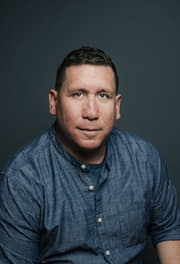
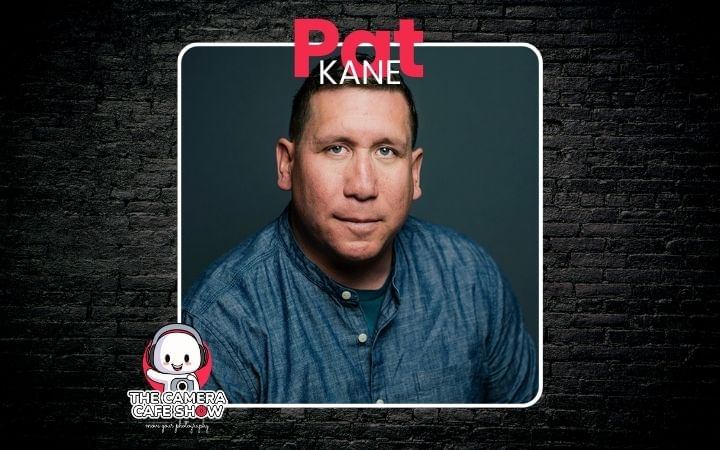
Today’s guest is a photographer whose work isn’t just beautiful — it’s vital, especially in a world where conservation isn’t just about nature, but also about us — our cultures, our communities, and a connection to place. Pat Kane is an Indigenous Algonquin Anishinabe photojournalist based in Yellowknife, in Canada’s Northwest Territories, and a proud member of the Timiskaming First Nation tribe. Through his lens, he’s been documenting the stories, culture, and resilience of Indigenous communities across the North.
And when I say “North” — I mean -50°C, batteries-dying, face-freezing, everywhere is far from everywhere North. We talk about how to photograph in that kind of cold — and why the stories and the people he captures are worth every possible frozen fingertip.
This conversation was just too good to squeeze into one episode — so we’re splitting it in two. In this first part, we go deep into Pat’s background, his path into photojournalism, and how he builds long-term trust with the communities he documents. He shares insights from his project “Here is Where we Will Stay” which was made for the World Press Photo Joop Swart Masterclass, the power of collaborative storytelling, and the responsibility that comes with representing Indigenous voices.
Part 2 coming next week will take us into his National Geographic assignment about the last trappers, some brutal cold-weather photography gear talk, his latest caribou conservation project, supported by the Jane Goodall Vital Impacts Grant 2024, how he came to co-found the Far North Photo Festival in Yellowknive and where to get the best pizza in Canada. But for now — pour a hot drink, take a blanket and join us for a beautifully grounded conversation with Pat Kane.
Tom: Good evening, Pat and welcome on our podcast. It is a pleasure to see you again here.
Pat: It's good to see you too. Thank you for having me.
Tom: It's my pleasure. I'm looking forward out to our talk because, I was thinking, most of the times when we talk about conservation on the podcast, it's nature related,
Pat: Mm-hmm.
Tom: but of course there are also other forms of conservation.
Pat: Yeah,
Tom: So I'm looking to forward to hear your talk take on this. And before we start, yes. Tell me how is the, how is the weather there, pat? Because here I can tell you it's 10 days, 40 degrees like Celsius. That is, it's like one or five Fahrenheit. I need Pat, you sent me a big chunk of Canadian ice, please.
Pat: It's on the way. It'll be the best tasting water you've ever had once it arrives. no, it's nice where I am, it's, it's about 2020 degrees. It usually hovers around. 20 to 25. sometimes it'll get to 30 in the hottest, but it's pretty rare. It goes over 30 degrees. So it's really comfortable all summer. It's kind of like summer is the reason why so many people stay here is because
Tom: Okay.
Pat: and warm and it's, you're not sweating all the time. It's very dry. That's one thing I do miss this humidity. Funny enough, like hot, humid. I find it, I breathe better. I feel like I'm sweating. It's cleansing me, whereas in the north it's very dry, I'm always like coughing. It's very dusty sometimes, but the temperature is very nice. I like it.
Tom: Whenever you want to do a house swap to here in Spain, we have hot on humid. No problem. You let me know.
Pat: Okay, we'll do it in the winter time, so it'll,
Tom: Yes.
Pat: there and you'll be freezing in the winter. It'll be a new experience for you.
Tom: Yes, but living there most of the time in the Northern Territories, let's say, I mean, you guys will have six months of winter if you could shoot your next photo project anywhere in the world, but it has to involve some cream and flip flops. Where are you going?
Pat: I don't know. We've traveled quite a bit. Me and my wife have traveled a bit over the last several years, so we've been to a lot of really cool, interesting places already. I'd love to get to Spain, obviously that's on our list. We went to Albania a couple of years
Tom: Okay. Ah.
Pat: Which was really interesting. And we met some really great friends there, one who's a great photographer and his partner is a great documentarian. So we met some friends. It was so interesting, the history the culture, the people we found it very fascinating and just lovely. It was so different. we've been. And, also very affordable. It's not so we enjoyed that and we stayed in Albania for about six weeks. So I think I would go back there eventually and, just to, you know, work on a project perhaps and, you know, see what else I can look at. Yeah, I'm sure there's lots of interesting stories that I'd like to check out.
Tom: I think you can find them everywhere. Even maybe under a pal tree in The Bahamas.
Pat: that is true too. I'm always good for that. Yeah.
Tom: Pat, is there something that, is there a thing that people always get wrong about life up there in the north?
Pat: Yeah, lots of things. I think people have this idea that the north is always cold and it's always dark, whereas right now it's always nice and warm and always light. So I mean, the weather people kind of misjudge. They think that there's no houses, you know, all these kind of stereotypes people, you know, use dog sleds all the time and there's no infrastructure. Everything's expensive. And to some degree that's true. There's like a lot of, there's a lot of issues in the north that we need to deal with. there's housing crisis you know, lot many people living in one home. smaller communities. Food is very expensive. but I think the one thing people kind of miss Misjudge is they think that there's nothing here. They think it's just like open landscape and it's, you know, nobody really lives there. in the Northwest Territories alone, twice the size of Texas. So it's a massive area. 33 different communities, indigenous communities spread out throughout the whole territory. And, you know, I do a lot of work with indigenous communities, so I know that there also, there are trails for harvesting, going out to you know, go fishing, go, know, hunting for moose and caribou all these, you know, kind of other activities that people do on the land. so if you look down, you know, if you're, if you've never been there and you look down from the airplane, you'll see, oh, it's just like trees and water and nothing. that there's a lot of. that people go to 'cause it's very important culturally or
Tom: Yeah. Mm-hmm.
Pat: somewhere else because there's a lot of food there. Or these are like places where they grow up. I think that's probably the biggest thing, is that people think that there's nothing there. It's desolate, it's empty, it's dark, it's cold. Whereas, you know, I see the opposite. I see it's full of life, full of trails and full of, passages that have lived, you know, for hundreds if not thousands of years. That's probably the biggest one.
Tom: And you saw this firsthand with somebody that told you that he didn't expect or she didn't expect this at all?
Pat: I think a lot of people just have that expectation. You know, a lot of people come visit, so I live in Yellowknife Northwest Territories, and that's, you know, a big tourist destination. People come to see the Northern Lights, the Aurora
And so we get a lot of tourists a lot of tourists from China, Japan, Korea the United States. And then you have some from, you know, other parts of the world, of course. but the main attraction is the Northern Lights. when people come, everyone is always so shocked or surprised. They didn't realize, first of all, that there's, you know, a little city in the nowhere, as they say. it's very diverse. You know, there's people from across the world that live there. The Philippines we have a big Korean community. We have a big Somalian community. So a lot of people from. All the continents come and live there and make it their home. So that's one thing people say. It's very diverse too. But yeah, people, you know, tend to are a little bit surprised I guess, because they think that it's, empty and barren there's nothing, nothing there to do or to see. You know, it's just landscape after landscape, know, which is true to some degree, but it's also like I said, these are homes to lot of the people that live here. You know, are important areas and regions that people go. So I know like even going the lake, which is like one of the biggest lakes in the world, you know, there. Places on that lake where you think that nobody had ever been in their life. And
Tom: Hmm,
Pat: put your boat down and you notice there's little campsites, there's, you know, artifacts. There's all sorts of things. So everywhere you go, no matter how big it is, there's signs that people have lived there traveled there and continue to do so now.
Tom: Very interesting because I had a bit of the same idea and you just contrasted me.
Pat: Mm-hmm.
Tom: Excellent.
Pat: it is very, it's very surprising because it also forces you to look at your land and your country and your region and your home in a different way. For example, you know, when I go to like the bigger cities, people, know, they only know like their own little area. Like they say, I go to Toronto or New York City, like, you know, they only, they only know, really know their neighborhood, in a radius of maybe five, 10 kilometers. in the north, people know a radius of 200 kilometers. we have friends and relatives that we know, we see all the time that maybe live, you know, 300 kilometers away. just normal for us to say, oh, hey, how you doing? I haven't seen you in a long time. And they, you know, they flew on an airplane that morning or we flew to them. I always say airplanes are like the subway here. to a different part of the, of the town. Even is massive and half the size of Canada almost.
Tom: Pat, before we talk about your life and your photography, let's zoom out a bit. Let's make a bit a bigger picture of Canada. Let's see if you can help me. I did some reading and I think there are like 60 1st Nations, Inuit and Metese communities there. All with each has their own language, their own culture. Most of the time people talk about the loss of traditions. In past years you think there is slowly coming now a little bit of comeback in this?
Pat: I do. Yeah. Especially where I live in the Northwest Territories. Kind of seems to be a resurgence of, I. I don't know if it's pride. I know like pride is part of it, but that, maybe that's not the right word. I just know that people especially in the indigenous communities, are starting to reclaim lot of their culture, their traditional skills that maybe they haven't used in a long time. you know, all these things that, you know, you would think as, you know, someone living in Spain, for example, you think indigenous people of Canada, you know, a lot of people don't live very traditionally anymore. Like for example, I myself but you know, I live in a house, I live in a city. I don't speak my language unfortunately. And then that's pretty the same for a lot of people, indigenous people in Canada. So I think now that there's, you know. Especially since I think around 20 10, 20 15 there was a big, I forget what it was. It was kind of like the government was looking into residential schools. a big movement to get the stories and talk about re residential schools on the record and to, for the
Tom: Hmm,
Pat: and for people that are impacted to make recommendations on how, Canadians and the Canadian government can treat and recognize, indigenous people in, you know, places where they did a lot of traumatic things, like people abused people were sexually assaulted, you know, many people were killed. so that was a big movement, you know, into. First of all, the Canadian government recognizing that. And then for indigenous people to start to, know think about this a little more, a little more in depth and to be about it and to say, this happened to us is how we were wronged in the past. How do we move forward? so one of these ways that indigenous people are moving forward by reclaiming their traditions to say, you know, are indigenous people and we are not going anywhere. You can't erase us. so that's very powerful. It's a big, a big part of what indigenous identity is now is going back and trying to relearn language. And, you know, I have friends that, have named their children traditional names, but. The Canadian government still will not recognize it on their birth certificates or passports because there are accents that don't exist on their computer. Right? So they can't, can't print them on the actual document. And there's you know, these systems that in place that prevent people from using those accents. And, you know, my friends are still fighting against those kinds of things. And, you know, could you imagine if the Spanish government, you know, said, oh, we don't recognize the name Tom because it's not a Spanish name. it would be absurd. And what people are up against, you know, example. Anyway.
Tom: Yes, because what we read here in the media, we read sometimes about reconciliation in Canada, but I wanted to know on a ground level, what it looks like in real life. And you just gave me a very good example of it.
Pat: Yeah, and I'll even like, you know, to really look at it and I try to photograph this. I put out a book a couple years ago and it was a project that I worked on about kind of colonization residential schools and how people are now kind of moving forward in reclaiming these, you know, traditions. one of them is moose hide, tanning, or any kind of hide like caribou, moose, even like, you know. Going back to like seal skins in Nunavut and other parts of Canada. but there's a kind of a small movement that's kind of going across the country, and it has been for several years where people are getting hides that were, you know, a moose by a moose or a caribou like the skin. then, you know, to make like moccasins or gloves, you have to cut the hides, you have to scrape them, you have to them, and you tand them by using smoke. a long process. So you have an animal, the animal gets skinned, the meat gets used for food, and then the skin is placed on it's kind of like, you know four pieces of wood that's stretched. is stretched and They soak it also in brains, like brains from the moose And they, that makes it malleable so that you can actually stretch the hide keep stretching the hide and then you have to scrape the skin on the inside of it off as it's flesh, right? So you have to off, that is very hard and it's hard work and it takes a long time. And then once you do that, you have to stretch it again, soak it, this process over and over and over again. and then you can smoke it. So by smoking it, you build a teepee and then you light a fire and there's special kind of wood, it's almost like dead wood, that gives off a big smoke. and you put the hide kind of in that tepe with all the smoke coming up. And then after a few times it comes out to this beautiful, soft, golden fabric. you look at a new pair of moccasins or gloves, you can see it, and it smells amazing too. And there's a lot of people that are young that are starting to do this because this tradition was only done by elders and, you know, a lot of, mostly the women. I know a lot of people are doing workshops where they're, they're trying to relearn that skill. So that's of example where you can really see this reclamation in action. interesting.
Tom: I would love to see that, although I think it takes a long time to make me a pair of moccasins.
Pat: Do you have big feet
Tom: 43.
Pat: Okay, well, someone, someone will be able to do that for you.
Tom: Okay. So Pat, let's talk a bit about you. Now you are, I have to read this Al Algon. Help me out here,
Pat: I am Al Algonquin and Anishinabe. So Anishinabe is kind of the group that I'm part of. And then Algonquin is the more specific group. And Algonquin is kind of like an anglicized name that was, that was kind of given
Tom: Okay.
Pat: our group of people. Yeah.
Tom: And this is from your mother's side?
Pat: That's correct. Yeah, so my mom was indigenous. She passed away in about 30 years ago. But she was indigenous and she grew up on a reservation called the Timiskaming First Nation, that's where my family is from. So I have many relatives still there, cousins aunts, uncles so it's, it's a place too. But yeah, I am Algonquin and nbe.
Tom: then you grew up in Ontario?
Pat: Yeah.
Tom: 20 years ago you moved to Yellowknife. What was going to be only one year.
Pat: Yeah.
Tom: Tell me again the journey. How, how you came there to be now 20 years.
Pat: For sure. Yeah. So, oh, I have to go back my memory vault. So I went to school for journalism in Toronto. and I went to a school called Humber College. And Humber College is pretty well known in Canada for broadcast journalists. So a lot of people that work on tv. But they also had a stream for print journalism and there's a lot of like good writers that come out of that as well. But within that, we had to take photography. So I actually went to To be a writer, to be a reporter. and then. We took this class and I had a wonderful teacher named Ann Zanu. And Ann this cool woman with, like, she had tattoos that her children had done like little, you know, 4-year-old doodles. She over her arms. And I just thought she was the coolest person and she was really friendly and really wonderful. And she was very encouraging too. So she was our photography teacher and she gave us cameras one day and go. We're going to this cool part of Toronto and all we're gonna do is take photos. Just walk around, take photos, and then we'll see what they look like when you come back. So we did that, came back and my photos were, I thought they were okay. And she was like, you know, you really have an eye. You should do. Both. You could be a writer And so I thought that's not a bad idea. I really like photography. I've always been interested in the visual arts because my mom who we were just talking about, and
Tom: Okay.
Pat: was a painter and a drawer. She was a sketch artist she would paint and draw images from her home back in the Timiskaming First Nation. so that was always a part of me growing up. And I went, I took art school lessons and, you know, I was, I was a decent artist growing up, so it's always been a part of me. And when I was in school and my teacher was, you know, very encouraging, I can do both. I thought, yeah, I can. And so right out of school I got a job, for a sports photography company. interestingly enough, it was my first job and I was terrible at first, but after a couple weeks I became pretty good. And I photo it was photographing hockey, popular here, and which is a thing that I played growing up, so I knew it. And we did horses in the summertime. Funny enough, we did, you know, show jumping and all that kind of thing. So it was a good training ground on like how use my camera and how to be very quick at using and how to like, get all my settings and all that, you know, dialed in very brief moment and to capture action. so from there I was kind of doing that for a few years and then I went back to Toronto. I wanted to work the editorial space. Sports was really great, but I always thought that, know, I'd love to tell stories, this is what I wanna do, so how do I do this? So when I went back and then I had a friend who I went to school with who got a job in Yellowknife. There's a magazine there that covers all three Northern territories. he got a job went to Yellowknife and I was in Toronto and I kept in touch and I said, how do you like it there? And he is like, I love it. I think you should come here. I think you would love it. So I said, why not? So I bought a car off my friend and I drove from Toronto for six days all the way across Canada and up. finally landed in the Northwest Territories of Yellowknife, I ended up working at the same magazine because they needed, someone to, as they said, take care of the photos, they're all, they were all writers. They had no time for the images. I thought, oh, this is perfect. So I became their first photo editor at this magazine. And when I was there, I started to, you know, photograph everything. I got to travel to Nunavut in the eastern Arctic. I went on these big arctic sovereignty military expeditions. I did portraiture, I did still life. I did all these different kinds of stories and I also did a lot of, you know, documentary style, photos is, and I thought, you know, this is something that I wanna do. So I thought I was gonna stay for one year. That's what we say to ourselves. I'm gonna just go try something and then, you know, I'll probably come back to Toronto or, you know, go to where all the media is or where all the magazines and newspapers are, 'cause that's where you be. But as soon as I got there, I thought, you know what? This is home. This is like, the people are amazing. such a fascinating part of the world, and I'm getting to do all these amazing adventures, right away. And I'm, you know, 20, 24, 25 at that point. So as a first job as a photographer, I'd say that was like a dream job. And you know, 20 years later, I'm still, I'm not at the magazine anymore, but I'm still doing what I love and that's like traveling around Northern Canada stories that I hope are important to the people. I. photographing, you know, but also I hope it says something to the people around the world that see this work too.
Tom: Yeah, we will jump in a moment to your projects, pat, but I was wondering, you remember, you come, you are in Toronto and maybe you feel like your own culture is a bit lost there, and then suddenly you come to a place where it's still fully alive, where kids will speak their own language, where there are hunters that live traditions. You remember when you were the first time there with your camera and you just says, wow, this is amazing. This.
Pat: Yeah, absolutely. There. The first, the very first assignment I got in a community. It's about one hour drive west of Yellowknife called Beko. is a traditional indi indigenous Dene community. you know. The people there are just like amazing. It's like. You know, everyone speaks their language or many people do, not everybody, but a lot of, especially the elders, everyone speaking their language. They are playing these games that at the time I didn't understand what they were, they were like traditional indigenous games called hand games that now I know very well and I photograph them a lot. people were, you know, talking to each other and feeding us, you know, bock and fish and caribou and moose all these, you know, traditional foods as well. And it's something that. You know, growing up, you know, as an indigenous person in a city, I totally lost that connection, you know, outside of like going to my mom's home on the reserve and to Miscuing. But even there, it's, it was very, it was colonized a long time So it's, it's different. It's a totally different way of life. know, people on my home reservation, not a lot of people speak, the language. People live in, you know, quote unquote modern homes. But when you come to the north, it's just so, it's so different. It's almost like back in time. I don't love to use that, analogy, but it is a little bit, it's like going back to a way of life that is so pure and so traditional, I guess that it really makes you. connected. And when I, when I got there too, I was like, oh wow, this is like, this is what indigenous life here, but this is what it should be everywhere. And so I really kind of fell in love with that aspect of it than anything. I think it was really a way for me to explore my own indigenous indigeneity, I guess, and to, know, relearn things that I had lost, like, you know, easy things. How to start a snowmobile, you know, going out in a canoe, you know, putting baits on a fishing rod, how to set a fish net. All of these things that I know how to do now, I had to learn within the last 20 years you know, you just, you didn't do that stuff growing up in a city. so I think the north has been, you know, not just a window to tell the stories of people of the north, but it's also been an exploration of my own identity. Living there, which I'm very, know, very humbled by. I feel very privileged to be able to live there.
Tom: And language, you're not curious a bit to learn your own language again, Pat?
Pat: I am curious. I just know it's very difficult and there's not a lot of there's not a lot of speakers where I live, so I actually, I probably know more Dene than I
Tom: Okay?
Pat: Algonquin words. but I have a cousin who's a writer, she's a novelist, and she is starting to relearn the language now. she can she can help me out and give me a couple of lessons on, how to say it. And she put out a book a few years ago and the book at the back has a glossary because she uses a lot of Algonquin language And so there's a glossary at the back that kind of. Tells you what the words mean. And that's really interesting. The thing with the Algonquin language, though, the words are very long. And so it's hard to put together a sentence and to pronounce them without some kind of coaching. I imagine there's someone out there. It just, you know, a matter of looking into it a bit more. But I would, I would be, I would love to learn at least a little bit of the language. Yeah.
Tom: You see how wonderful it had been if you in the end of the podcast, had told me in your language. It has been a pleasure being on your podcast, Tom.
Pat: Well, I know how to say thank you. So it might just be that
Tom: We do that. Okay. But let's walk a bit through because you did some amazing projects and I found your work. Thanks to Sophia Lopez that I was talking to. She was the grand winner for Vital Impact. And then I found your work and you did amazing projects. So I have to pick some. If not, we have a podcast of two hours. Let's start. Here is where we shall stay.
Pat: Right.
Tom: How about this one created for the World Press Photo 2020 Europe SWAT Masterclass
Pat: Yeah.
Tom: Talk me a bit through this, this project, Pat.
Pat: that was that was actually a really big turning point in my career, I think was to be accepted to the Ju Wart Masterclass in 2020. I don't, I don't know how familiar you are with it, but you have to, first of all, you have to be nominated by A professional photographer, and then through that process you write an application and a portfolio and it's it's, it's difficult to get into it. So I was very lucky that I did. And you know, just being on that list with, you know, some of the photographers in my cohort are like, you know, blows your mind that you're, you're, you're friends with them now, right?
Tom: Right
Pat: Hyman for example. She is, you know, one of the world's best and, you know, Pulitzer winner and, you know, just a amazing, so, you know, people like that were part of my cohort. but through that program what you have to do is put together a photo project and. have, I think it was six months or so to photograph this project that you propose. And my proposal was kind of what we were just talking about. It was colonization. the Canadian government, you know, back in the early days of Confederation, they really went out across Canada and they set up churches and schools for indigenous people. And, you know, that was a big huge moment in Canadian history where were actually kidnapped from their homes with their parents, and placed in these schools. And these schools were run by the Catholic Church for the Some Anglican, but mostly the Catholic church. And, you know, there was, like I said, there was abuse there was, you know, all sorts of trauma. There was, you know, killings and, you know, horrible conditions and people weren't allowed to speak their language. So, you know, their, the government's mandate was to take the Indian out of the child is what they said, and they wanted everybody to just become. know, quote unquote a white Canadian by force. And so that's what happened. But over the, over the years and decades, know, the church became such an important and powerful part of indigenous communities, that people, you know, I don't, you know, did they become brainwashed? Maybe. I think, you know, people were praying to a God that they had never known before. were going to this building and being told by, know, a white man usually, or a group of white women to stand, went to sit, went to sing, know, went to kneel, you know, all these things. And that just became normal. And over, you know, that time people get disconnected from. You know, the spiritual aspects that they grew up with, which land, which is water, which is animals, you know, which is their family of living, you know, these kind of semi nomadic lifestyles. And so that stuff was lost and it just created such a, you know, a toxic environment for people that were coming back to their communities who forgot how to speak their language, who for, who were wearing different clothes, who had their haircut short. And that led to a lot of, you know, addiction issues. Alcoholism was one, drug abuse. and that continues today. that was so traumatic to people. those schools only closed, you know, maybe 30 years ago. So they had been open for, you know, a century or longer. And so this, the project was kind of about that, but it was also about, I was saying earlier, people reclaiming way of life as a, as a form of protest, I think in a lot of instances. So, you know, people are like, you know what, I'm gonna relearn how to, how to speak the language. I'm gonna learn how to do moose hide tanning and to moccasins again. I'm going to name my children a traditional name and put it on their birth certificate and make the government change their policies so that they're accepted. all of these were, you know, not just because they wanted to do something nice, it was a form of protest to say, you know. We are still here and we're not going anywhere. And so that's kind of the title of that project here is Where We Stay kind of, you know, a way to say that, you know, in a very obvious way, shall stay. But it also comes from a legend that was published by a priest, funny enough, who wrote about indigenous legends that were told to him. And he published them on a book. one of these stories was these two brothers who go traveling when they're very young in a canoe, and they sneak away and they get lost, but they travel all around the world they go south, and they go west and they go east and nobody wants them. And then finally after a couple of decades, they go to another place. And there they're greeted warmly. They're given food, given shelter, they're cared for. The brothers, one brother says to the other, here's where we shall stay, this is our home anywhere. And so, know, it's a story like that where I just think that people it kind of comes full circle, I guess. You know, it's, it's, it's like how, it's the story of colonization too. you know, people have gone full circle like that. it was kind of a good metaphor, I guess for the project. And so I worked on for about six months through World Press photo. And, it became a book that I put together shortly after that as well. But it's, again, it's to get people to think about, know, how easy it is sometimes to forget. Of the horrors that people went through and how now that there's like such an interesting, I don't know what it is, but like a relationship I guess, with the church. 'cause there are still that are very devout indigenous are, that go to church that all the time. and it's interesting to see that, how ingrained is. Like imagine your abusers are still people that go see you forgive and it kind of like how big the heart is for people to be able to do that on.
Tom: Yeah, because I was wondering, Pat, if people understood straight away the kind of story you wanted to tell.
Pat: I think it was I don't think so because I think it was done. It was actually photographed in a, in a way that is a little different than what I, what I normally would do. I was encouraged by my mentors at the World Press program through the masterclass, know, to do something a little more subtle, not to be a little more nuanced. It doesn't need to be, you know, don't treat it like a magazine assignment or a newspaper assignment. Treat this more as like an art project. I took that to heart and that was really great advice because it kind of showed me how to tell a story using symbolism and nuance and to, you know, not everything needs to be action, action pho photography or people doing be just things that you see or things that represent. The story that you're trying to get across the message. Correct. so yeah, it was, it was a really interesting way of telling a story and I think it actually changed the way, I photograph to this day to find some of that nuance and balance and not to be so obvious in my work. But yeah, it was a really special project is one of my more well-known ones now. It's, it's there's some work in there that is in galleries and whatnot, I think the people, once I put the book together, people are like, oh, okay, I get it. This this is what you're, the message that we're getting across is like religion, what people are doing to move past that, but also how they're kind of recognizing their own place in that relationship. I.
Tom: Did it also change the way you see religion, pat
Pat: Sorry to change how I see.
Tom: Religion in itself?
Pat: Oh yeah, absolutely. I grew up a household. You know, my dad is Irish Catholic. My mom also Catholic, like they went to church. you know, when I was a teenager, I started to like, as we all do, start to question, know, especially with religion and church, I think for a lot of teenagers. but I just found that there was, you know, a lot of, lot of bias. There was a lot of, you know, contradictions of things. You know, it's like love everybody, but then, you know, the church sometimes doesn't love everybody. so kinds of things that made me of, you know. Push the church away you know, I'm still Catholic. I'm not a practicing Catholic. But seeing people that, you know, especially indigenous elders that still go to church, that still pray every day, like, wow, that is, like, I, it's hard for me, to accept it, but also what they wanna do. And that just shows you how complicated this relationship with the church really is. Because I know a lot of people like myself that are like, Nope, no church. Sorry, we're not going there. And then there are people who are very devout still. And, you know, it's not up for me to judge obviously.
Tom: No.
Pat: It's up for people like me to respect other people's beliefs, I guess. And to, you know, to understand that my religion is spirituality. Like I am, know, I am more about the praying to the land, than I am praying to a God. And I think a lot of people are like that. But again, it's, it's, it's fascinating to people that still, are still devout, And this is mostly with elder people now, or still young people too? mostly elders, but there are some young people that are, know, will go to church and with their, with their elders and they're always praying, it's, it's, and praying in their own language too, which is really a fascinating thing to see. It's beautiful. It really is. But yeah, it's, some people you're, you're kind of either totally against it or you're all in. kind of like the in between is where it, it gets a little bit iffy, but I like to I accept the in-between. But for me personally, I'm, I'm still, it'll take me a lot of convincing to like become a devout know, Christian again or to go to church even I. with my family every once in a while if they want to, just to make them happy, you know, at Christmas and Easter. But for the most part it's, it's really really opened my eyes to accept that some people, you know, this is what gets them through their day. And I totally respect that. If people want to do that. Absolutely.
And that’s a wrap for Part 1 of our conversation with Pat Kane. From his roots in Ontario, moving all the ay up, to the deep care he brings to telling stories from inside his own communities, this first half has already taken us across some powerful ground — and yes, some frozen eyelashes too probably.
But hang tight — because Part 2 is just around the corner. In the next episode, Pat takes us behind the scenes of his National Geographic assignment, the story of "The Last Trappers", and what it’s like to work with frozen fingers, fading light, and photography gear in the heart of winter. We also dive into his recent caribou conservation project, funded by the Vital Impacts Grant, about co-founding the Far North Photo Festival and talk about what it really means to protect land, stories, and culture all at once.
As always, make sure to follow or subscribe wherever you listen — and of course, if you're enjoying these episodes, leaving a rating or review always helps us out.
Thanks for joining us today here at The Camera Café Show, now go out and move your own photography — I see you here next week for Part 2 with Pat Kane. Adios!