

"Hey, Jamie.
Jamie: Yeah?
Dave: I created something special for you for the opening for our show. You ready? You gotta promise not to laugh.
Jamie: Okay.
Dave: That wasn't convincing, Jamie. You're gonna laugh. Yeah, I told you. All right, you ready? [sings] If I had a camera, I'd shoot it in the morning, I'd shoot it in the evening, whenever I can. I take pictures of bumblebees, I take pictures in black and white. What do you think?
James: Not a bad start, no. Just need some piano in the background.
Jamie: Yeah!
Intro:
Dave: Spanning the globe to bring great photographers and their experiences directly to you. It's 8pm in Japan, 1pm in Spain, and high noon in our guest's home in the UK. That means it's time for the Camera Cafe Show. Brought to you by photographers, Tom Jacob and Dave Payne. Hello there, amigo. Would you like to welcome our special guests and introduce them to our listeners?
Tom: Evening, Dave, and welcome first, everyone to yet another episode of our podcast. And boy, do we have something special today on the other side of the microphone sitting at their home. I'm sure she's already giggling now and, in the mood, to stun you all with her photography knowledge. So, everybody be warned, you will fall in love with her before our show is over.
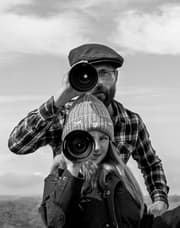
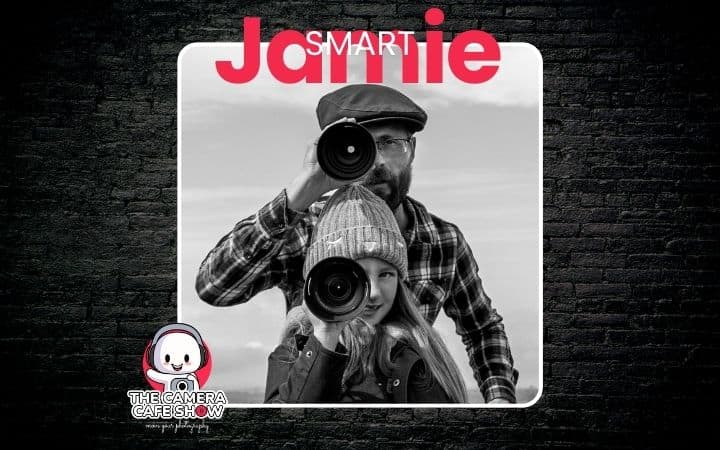
I'm talking of course about the amazing Jamie, aka Eagle Eyed Girl, one of the youngest nature photographers I know and stunning us with her work on social media every day. Jamie lives in Wales, is only seven years old and talks about photography as it comes naturally, like riding a bike for other kids.
With us today here with her amazing father, James. And just to show you all at home listening that she's one cool photographer. This is a quick summary of some of our recent photography contest awards: Montgomery Wildlife Trust Photography Competition 2022, highly recommended for flower photography; first place in the category Pet Photography under 18; RSPCA 2022, runner up in the under 12 category RSPCA 2022, commended in the Pet Personality category; RSPCA 2022 shortlisted in the Young Cupoty 2022 in close up of the year, Kwan Wildlife calendar competition 2022 April winning image; and just now this week, the Royal Entomology Society under 18 specially commanded.
So, she's by all accounts, somebody you need to know. Let's get the ball running and move the mic over to Jamie and her dad.
Tom: How are you guys there?
Jamie: Pretty good. Pretty good. Yeah, we're good.
James: Thank you. Yeah. Thanks for inviting us!
Tom: Oh, thanks guys for coming on the show, both of you. How's the weather there in Wales to get some photography done?
Jamie: Sunny, sunny, nice, sunny. Nice and sunny, isn't it?
James: It's a beautiful spring day.
Tom: So, you went out already to make pictures or you had to study first, Jamie?
Jamie: Hmm.
James: Have you taken pictures today?
Jamie: No, not really. We did some pictures yesterday at Latterley Wetlands Centre.
Tom: I thought so, you cannot let pass one day without shooting pictures, no?
Jamie: No, can't go without one day shooting pictures. We actually did a bit of macro photography of bees, didn't we? And always, I always go to the gift shop at the end, always. So I bought a bumblebee, a big bumblebee.
James: A massive bumblebee
Jamie: A massive bumblebee and he's called Bumble. Do you want to say hello Bumble? Hello guys, this is Bumble the bumblebee speaking for the podcast.
Dave: She's got her priorities straight.
Tom: Jamie, tell us a bit about yourself and how you decided to come to become this famous young wildlife photographer now.
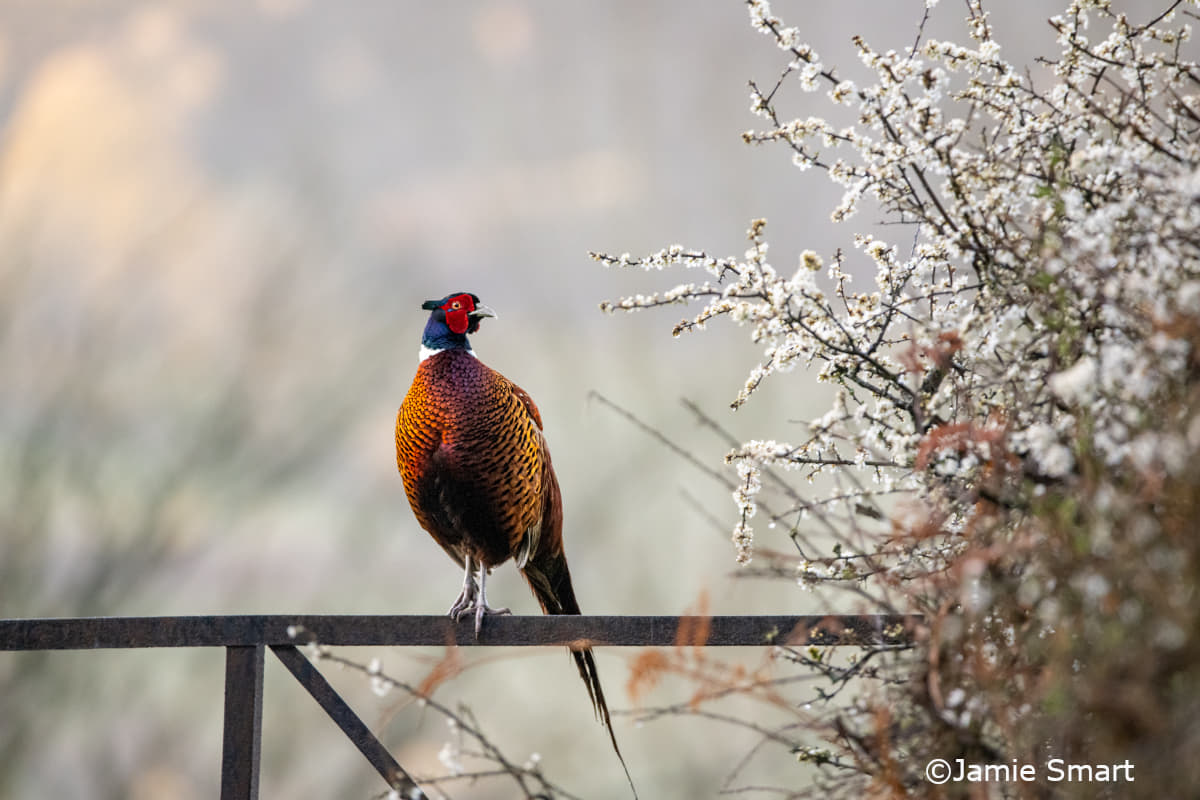
Jamie: Well, I started using some binoculars first. But they weren't focusing as quick as I wanted them to, so dad asked if I want to use a camera. But I didn't want to drop the camera because I knew how expensive it was. So then dad said, try it out. So we went outside and I was trying to get some photos of the sparrows. And then we went around the garden, getting other photos. And I got better and better from then.
Then we put feeders up, attracted rarer birds and more birds and not just birds. We got great crested newts in our pond. We attracted loads of wildlife, and I got better and better photos and we entered them in more and more competitions. And yeah, we just worked from there really.
Tom: You shoot with Nikon, right, Jamie?
Jamie: Yeah, I shoot with Nikon.
Tom: Okay. And how hard was it to learn photography at your age?
Jamie: Well, when I first started doing photography, I was really wobbly because I'm not used to the weight of the camera, but I got steadier and steadier. Every single time I used it because I got more used to it, more used to the weight of the camera.
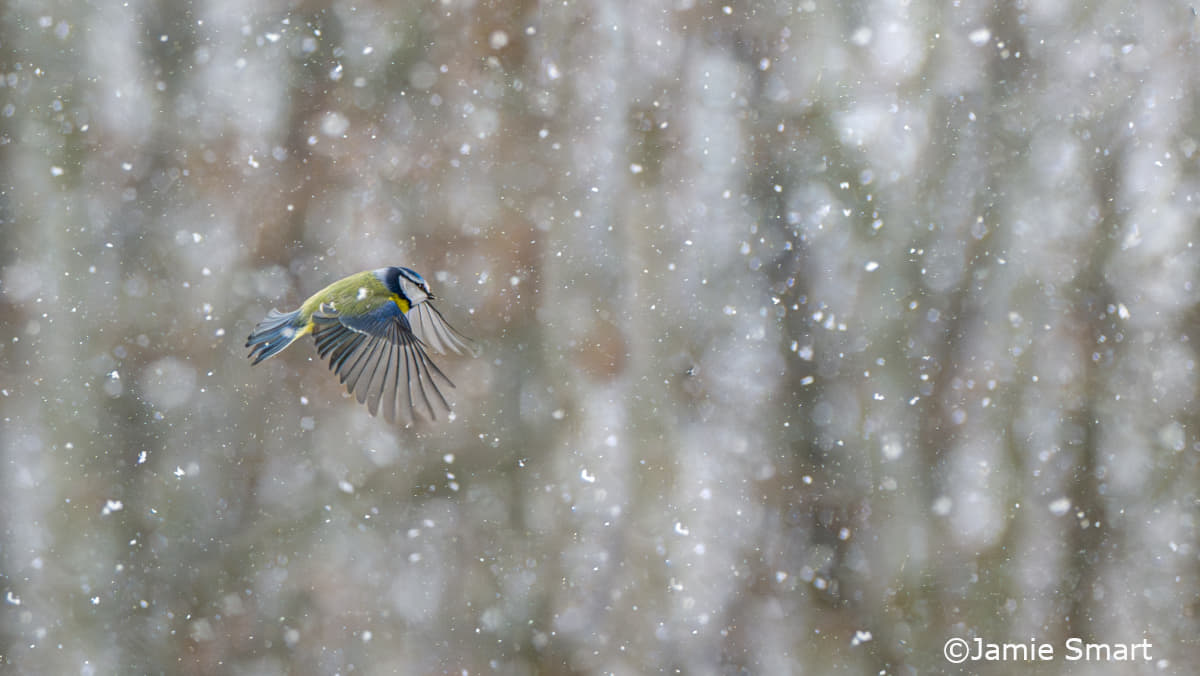
So it was quite tricky to start with cause I wasn't used to looking through a lens, trying to get the sparrows cause they were so quick. And yeah, so I got better and better really, and it got easier and easier taking photos of birds in flight. No matter how fast they are. I got a peregrine falcon in flight once. That's pretty cool for me.
Tom: So the obvious question, what do you want to be when you grow up Jamie?
Jamie: I would like to be a wildlife presenter and photographer. It’s really my main goal.
James: Which you're already doing!
Tom: Yes, she started very early. So you're seven or eight now?
Jamie: I'm seven. I started taking photos when I was six last year in March. But now I'm seven. And I really like taking photos.
James: Got a long way to go still.
Tom: So who lifts up the Nikon Z9 with the 400 millimeter lens?
Jamie: Um...
Tom: You can lift it?
Jamie: I can lift it. I can definitely lift it. Cause for my early birthday present, I had a 600 mm lens and I'm seeming to hold that very well.
James: Yeah. You can hold that, no problem.
Jamie: Yeah I can hold that.
James: It's the Sigma 150 to 600mm. She holds that really well.
Jamie: I thought it's not a bad weight, you know, when I first had it, it was a bit quite heavy because I wasn't used to that sort of weight. But I got better and better at it really, and just got used to it and got muscles, didn't I?
James: Yeah, you're a lot stronger!
Tom: Jamie, only seven years old and already award-winning. What do you think are your next photography challenges now?
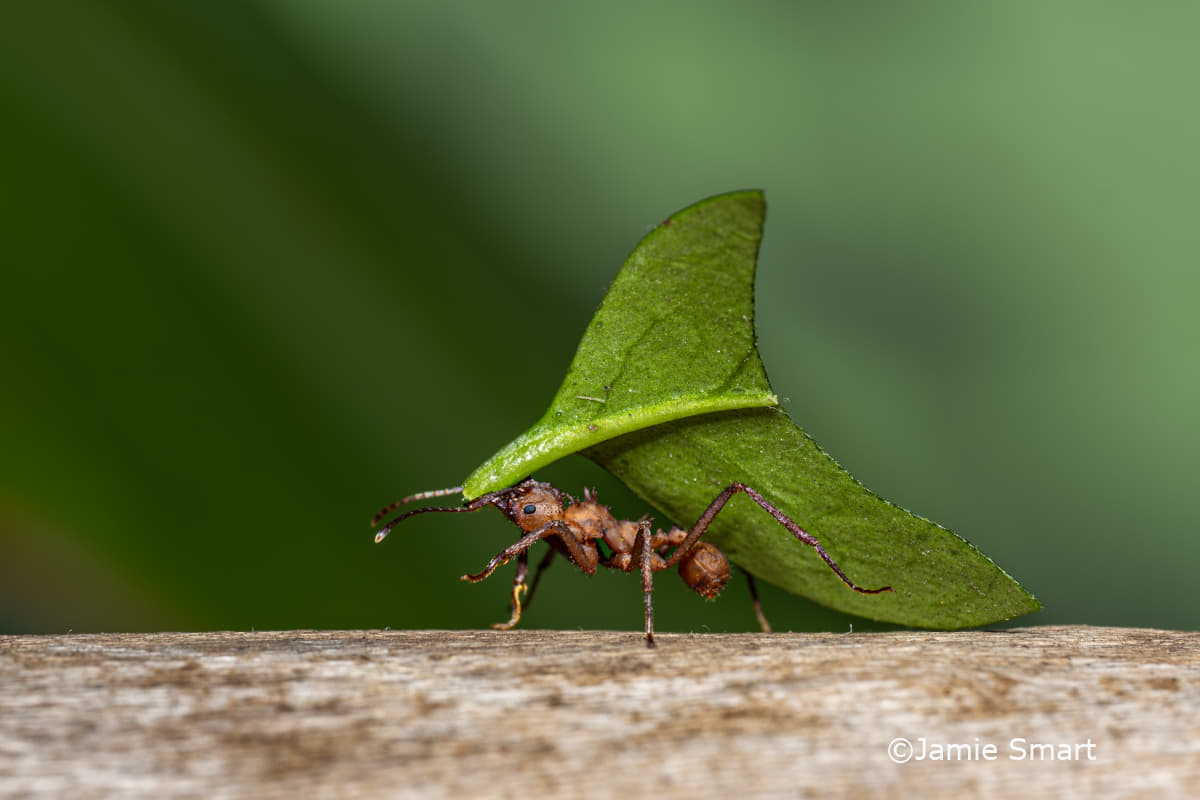
Jamie: Well, I would probably say trying to get some more macro shots of all the bees we've got here, more macro shots of insects and their secret worlds really. Right dad?
James: Yeah. This is going to be her first spring. Cause just a year now she's been taking photos.
Jamie: Yeah March last year I started.
James: So we're trying to make the most of this spring to see the nature coming back, the bees are waking up, the flowers are opening. So it's a new experience now with your experience with the camera. You can get out there and enjoy the spring when there's so much activity
Jamie: Definitely, yeah.
Tom: It's easier, Jamie, to get a bird or get a bee in focus?
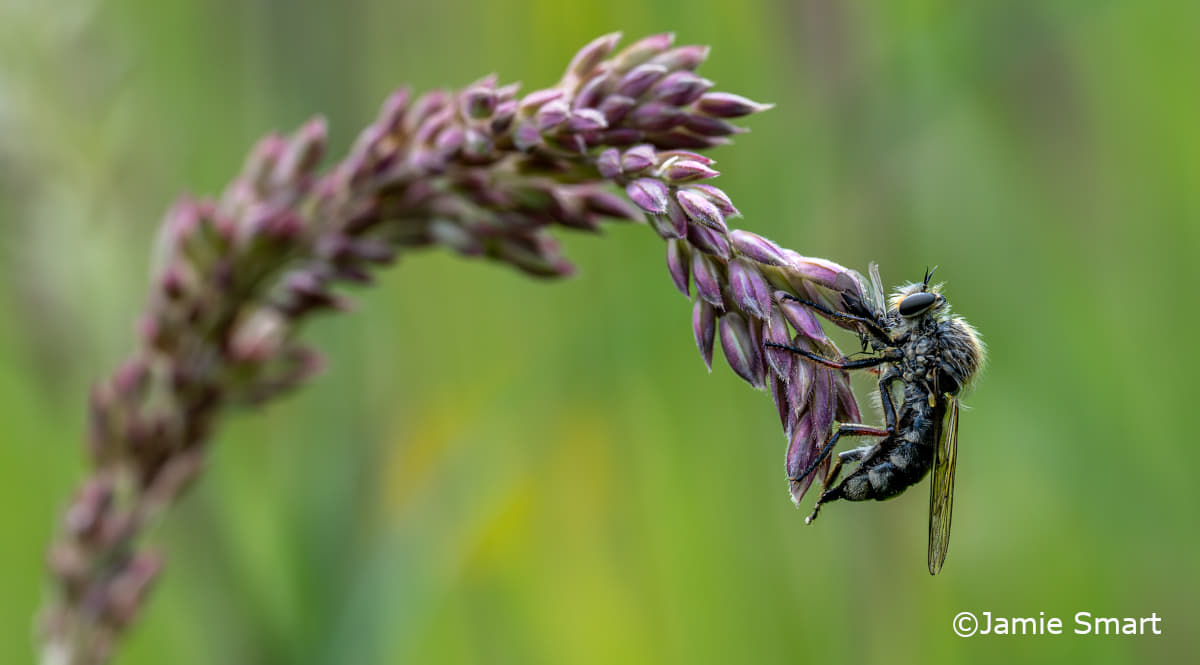
Jamie: Oh, well, I would roughly say they're both sort of the same, really, because I started getting good with kites, but I never thought of doing the bees. But when you actually look at a bee close up, or a wasp or a hornet, actually quite close how fluffy they are and how cute they look, and their eyes really glow up I remember getting a fly once and you could see all the lenses in his eye. It was really cool
Tom: So what you consider Jamie to be the two or three most important requirements for someone to be successful as a wildlife photographer in your opinion?
Jamie: Well, what I would say is if you're interested in doing photography, I would say start putting out bird feeders or some flowers or whatever you want to get a photo of, put out what it likes to eat until it's used to going back and forth to your garden. Then try and get make sure it gets used to you, make sure it gets used to the camera and then try and get photos of it.
And if you're not really happy with the photos, it's fine! Because if I've done 10,000 images of a bee or a flower or something, and you've only got one, that's fine, that's completely fine. It doesn't matter how, what you see in the camera or how you want it. It's just how, what you attract in and how you would like to get it and what you see in the lens and if you capture a really nice photo that's completely fine. So just work from there and you'll be pretty good.
Tom: Is there, Jamie, a place or an animal you would really, really, really get to go or get a picture off?
Jamie: Um, I would say it’s probably really nice to get a photo of a really, really rare bird. Yeah, going to Scotland would probably be one. Going to Scotland, getting some crossbills, some crested tits maybe. Yeah, that would be pretty good.
Tom: Or puffins.
Jamie: Yeah, or puffins. We've actually booked a mini adventure to go to Skomer Island. So, let's hope we get some nice photos there.
Dave: Jamie, got a quick question for you. Which do you think is easier to shoot, birds in flight, or bees in flight.
Jamie: Oh, they're both quite tricky actually. Well, it depends how slow or fast the bird is. Cause if it's a peregrine falcon, good luck, that's all I'm saying, because they're almost the fastest bird in the world. So good luck getting a photo of them.
But if you're going for a bee that's quite slow, then you probably get a pretty good image. But it depends how many flowers are around you, because if there's a flower right next to a flower, then the bee only has a short distance. So it'd be quite tricky to get. But if it's got a long distance, then it's probably easier because you've got more time to get a photo of the bee. But I'd probably say both are quite similar, it depends what you want to get really. And if it's something tricky, just try.
Tom: I'm sure you read a lot of books and you're already interested in nature. How you see nature conservation for you and for photographers? Is this something you are personally active in?
Jamie: Yeah, I would say we're really active in conservation at the moment because we need more farmland for the curlews. We need more places for other wildlife.
So one day we were trying to get photos of hares and I saw this wheat hare on a rock and the rock was surrounded by garbage and I got the image and I thought that's a good conservation image because we've done a mini documentary on the curlew so let's hope that helps as well.
It's a shame they're going to put pylons and wind turbines, mind.
Dave: Yeah?
Jamie: Yeah, they're gonna put huge pylons and huge wind turbines in.
James: Yeah, there's plans for some massive, huge inland turbines to be planted on the hills and large pylons to carry electricity. So it's going to just disrupt the landscape, isn't it? There's a lot of this stuff up in the villages and there's not much left open space.
Jamie: No, there's not much left at all.
Tom: And not good for the birds neither, I suppose.
Jamie: No, not good for the wildlife. It confuses where the bees are going to go as well. And they have to put concrete down and that destroys a lot of the wildlife that lives in that important habitat really. And it's sad to see it go because there's not much left.
Tom: It's why it's important, Jamie, we make pictures. So people start liking the animals. It's why I think I also started posting macro pictures of spiders, you know people they get scared of spiders, but you need to give them another way of seeing them. They are important for the planet.
Jamie: Yeah, they are. They're really important. I mean, without bugs, there's no people.
Dave: Yeah, those bugs were here long before we were, and they deserve to be here long after we're gone. So we better start helping them out.
Tom: Well said, Jamie. Well said. I hope everybody's listening.
Dave: James, a question for you. You're in a unique situation with Jamie really as a photography prodigy living under your roof. Can you share with our listeners who have children showing an interest in photography, what are two or three things parents should consider doing to foster and grow their children's photography interest?
James: I would think you really need to think about what they're passionate about. If it's photography, then maybe narrow that down to insects, birds, macro wildlife, even landscape. And if you haven't got any knowledge in photography, then possibly ask at local clubs, ask other photographers, you know, do a bit of research on how to progress that and they really help with their next step. I'm always online doing research, you know, finding the cheapest deal we can get on maybe a new lens or the next camera or something just to help progress to the next stage.
We're not flush with money or anything, but it's definitely, you've got a penny pinch most of the time. And unfortunately, photography isn't the cheapest hobby in the world. So you just go and immerse yourself in that environment, it's the best way of learning really. And with Jamie, we're involved and we're showing her, teaching her, and have fun together, learning along the way. And there's no pressure. You know, if one day she doesn't want to take photos or a couple of days, that's fine. Just be a normal kid and have fun, you know, it's all about fun. Life's too serious as it is, and children only children for so long.
They haven't got the worries of life that we have like mortgages, bills and all that sort of thing. And that's what's really nice and precious about her photography. There's just concentration on that particular subject at that time and nothing else. And I think that shows through her photography.
But make it fun, go on and do your own adventures, quizzes, drawings, paintings. You know, we're always crawling around in the mud in the moorland, on our belly, trying to get close to a hare or something, you know. We're there, you know, try and give up any of your spare time to help. And that really makes a difference.
Hanging pictures on the wall of her prints sitting down together, editing photos, you know, just spending time going through things. And the reward you'll get is unbelievable. You know, when she discovers a new bird or something on an adventure or see something, this amazing, the smile and the enthusiasm that comes through. It is amazing.
Dave: How long have you been shooting James?
James: I've always been into photography since the NIH, but never had the funding or anything, didn't have any spare cash lying around to afford expensive equipment. So, it was back in the day using the portable click cameras, at weddings and things.
But I was lucky enough to do one year's course after high school in photography. And that really opened my eyes how to develop film black and white, using all the chemicals and in the dark room and experimenting. I think that was the real eye opener for me when I first bought my film camera, which was a Nikon. So I just progressed from there because I'm a carpenter by trade, so I'm not a photographer by any means, but I'm a little amateur. But it's just fun and passion and go from there, really.
Dave: Oh, it's logical because as a carpenter, you have to depend on your tools.
James: Yeah. You always need them.
Dave: The same with photography.
James: Yeah.
Dave: Having Jamie shooting as wonderfully as she is, James, have you found that to be a motivation for you and your photography?
James: Yeah. I don't really do much photography anymore. I'm trying to concentrate on more of the filming because Jamie and me we really enjoyed doing the curlew documentary. So I'm trying to teach myself how to film better and different camera angles and things to try and put message across for conservation and different birds that need help. So I'm concentrating more on the film side at the moment.
Dave: Well, Tom should be able to help you with that, with his film and documentary experience.
James: Yeah, that'd be good.
Jamie: Yeah, that'd be really good. Got a couple of lessons coming up in the mix of this.
James: But she's taught me so much. You know, we've learned as a family together about nature in the last year.
Jamie: I've swallowed a bird book every time I think of a really rare bird.
James: She’s always doing her own research and bringing up information on the iPad, finding her own ..
Jamie: Welsh names for birds, isn't it?
James: Yeah the Welsh name for birds. Any little bit that she can find on a certain animal or bird, she is going in.
Jamie: Yeah.
Tom: I was wondering about that Jamie, is there a story or a picture, just before you go to bed, you think about and you say, wow, that was amazing. I want to do that again!
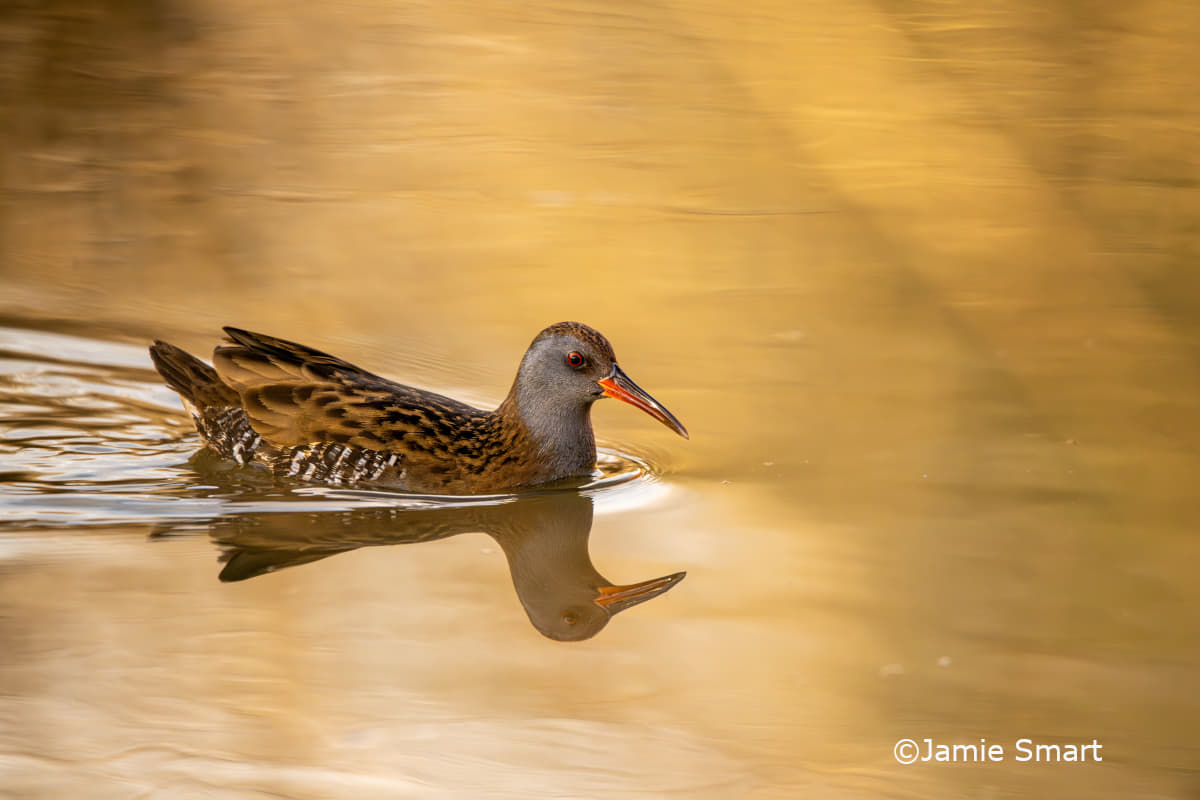
Jamie: Yeah, actually. There is a photo, I remember going to Slimbridge once and we went in the water rail hide and it was in the winter and we were looking around thinking, Oh, that's morning. We looked at it again. Looked at it again. It's not a moorhen, it's a water rail. So I was going mad because I was getting so many photos of that water rail.
But then he went across the water, he was swimming! And that was only for roughly three seconds but I managed to get an amazing photo. I mean, it's nice. RSPCA photographer winning to my eyes, isn't it?
So yeah, it was probably the water rail. That was really amazing.
Dave: Jamie a question for you about equipment. You mentioned you're going into macro body are you shooting with currently and what macro lens have you got?
Jamie: So we are using the Nikon 105 macro, and we are using the Nikon Z9, and if you add those two together, you get pretty crisp photos. I mean, a photo of a bee with that lens is amazing.
Dave: Sounds like a winning combination to me.
Jamie: Yeah, definitely.
Dave: There's one last question that I'd like to put to both of you, Jamie and James.
For people who are already into wildlife photography, what is one thing you'd recommend they should start doing, one thing they should stop doing and why?
James: Go ahead and you go first.
Jamie: I can go first?
James: She is much better than me talking about it!
Jamie: What I would say you should stop doing, is you should stop letting yourself down. Cause if you, if you see a really good photo in your head and you haven't got it, that probably might upset you a bit, but don't let that put you down. Don't let failing put you down. Keep trying and trying. Do not give up. That's one thing I would say to stop doing, isn't it? Stop failing. Stop thinking you're going to fail. Just keep carrying on. Keep fighting. You'll get the image in the end.
And one thing you should start doing is probably putting up feeders, allowing birds to come in your garden and get some good, really good photos. And if you've got really good photos, show it to your mum and dad. And that'd be pretty, pretty good. If you can get a really nice photo of a bird or an insect or a flower. I would say that's what you should start doing.
Dave: Wow, good advice.
A follow up for you, Jamie.
Jamie: Yeah.
Dave: If someone came up to you and said, Jamie Smart, what is the one thing that you most love about photography? What would you say?
Jamie: I would say it's definitely, if you look at a bee or something, you think, oh, it's just a bee, but when you get it through a camera, it shows you a different side of the bee. It shows you the bee's life. It's the same with birds. It shows you more of the bird. So if you look, if you look down the lens, you can see some quite pretty amazing things sometimes. So if you can capture something that people don't usually see, that'd be pretty good, I would say.
Dave: Wonderful. I know the feeling. I was chasing a bee today in a rose garden here in Japan. He wasn't cooperating. He was the size of a B2 bomber. It's the biggest bee I think I've ever seen. And I was chasing him through the garden.
Jamie: Is it may be called Bumble? Did he come and visit you?
Dave: You know, I think it may have been a carpenter bee. It's the biggest bee I've seen here, and I swear, for one minute, I thought he looked over his shoulder at me and was laughing as he zoomed away. But I'm going back there tomorrow.
Jamie: Yeah, try the bee again!
Dave: Never give up.
Jamie: I love the face of them.
Tom: Jamie, I was wondering if you get friends over and they are really interested in maybe starting photography. You take out your camera and you show them...How would you go on explaining it to them? In an easy way how to shoot a good picture.
Jamie: Okay. Well, if I got my camera out, obviously I would take a photo with it. And I would show them the photo and they go, Wow, how'd you do that? So what I would say to them is, I get my camera, I get my right lens. Now you need the right lens because you might need a 600 mm lens or 800 mm, or a 105 mm macro, whatever lens you need, you're going to have to try it and know how to use it. We've got a lens that goes to a 24 mm and we call it the puffin lens because we're keeping it for Skoma island. So if we're doing something like a dog portrait or so, we would probably use that lens. So I would say use the right body, use the right lens. And you need to learn the settings of course.
James: The settings you need.
Jamie: Daddy was thinking of buying a t shirt saying 'Check your Settings'!
Tom: So you would be good explaining your friends the settings, Jamie?
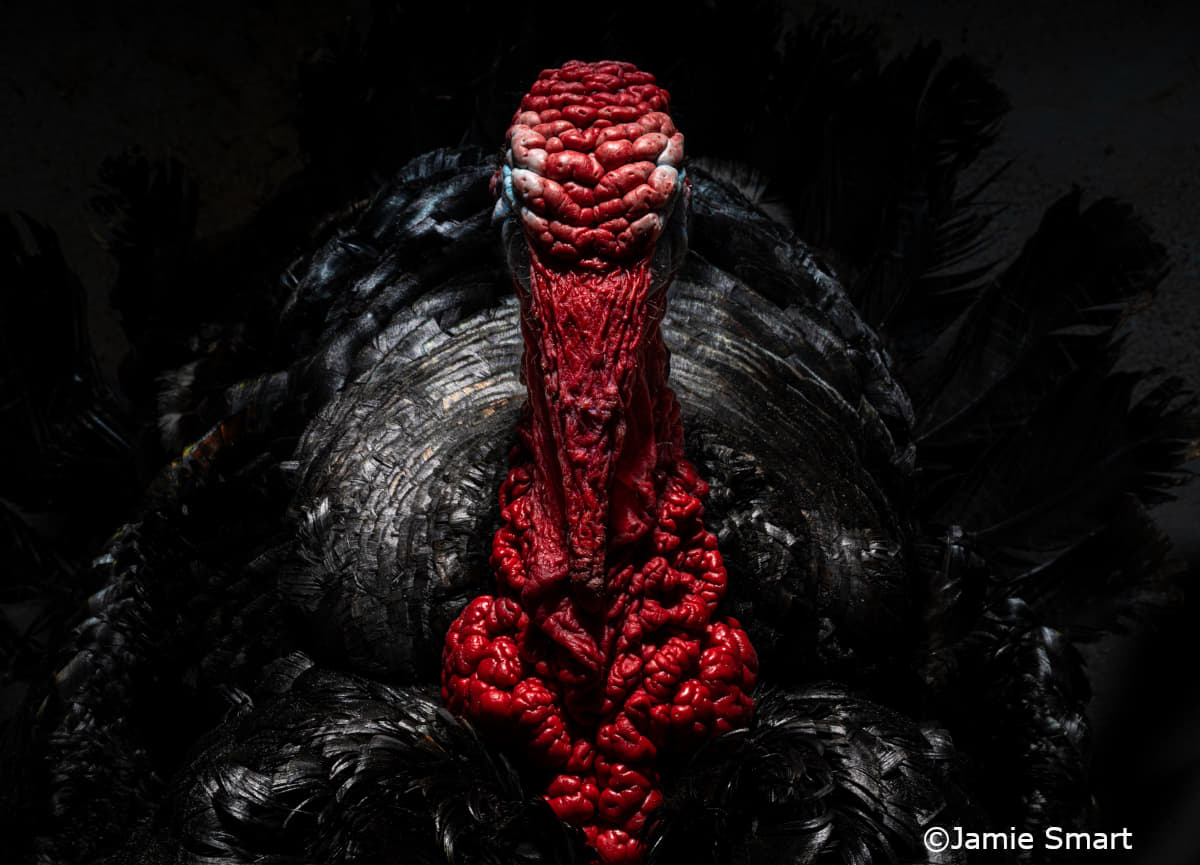
Jamie: Yes! If it's a really sunny day and you're like trying to get swallows, 1/2000 and f4 would be pretty good. And if you're trying to do something really close up and you'd only have a short field of focus, you up your F stop to roughly f7.1, f8, maybe f10, to whatever you need. And if it's really, really dark and you're trying to get something like that, you'd have to use a flash obviously, but you'd also need a low shutter speed and a low F stop. Because if it's too high, you'll get a grainy image, and grain is just like specs that don't make it as sharp as you want it to be.
James: And ISO down, right?
Jamie: Yeah.
Tom: Dave, I'm going to sign up for her workshop I think.
Dave: You know, you took the words right out of my mouth. I was going to say, and when's the next opening you've got in your photography basics workshop.
James: I think we might have to set up a program, I think.
Dave: I think I just learned something.
James: There you go.
Dave: Yeah, that's good. So, Jamie, based on what you just said, I'm going after that giant bee tomorrow.
Jamie: Okay.
Dave: And it's supposed to be sunny. So what do you think I should use for shutter speed and aperture?
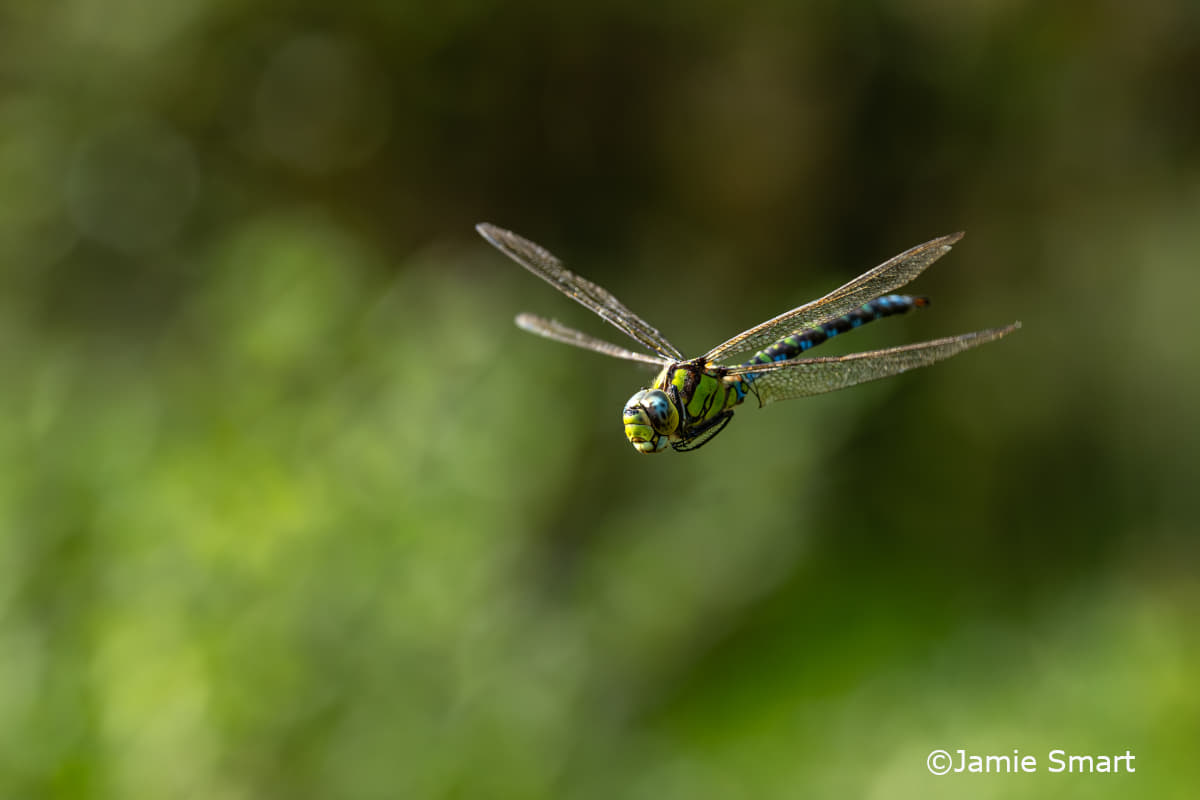
Jamie: Oh, okay. So if the bee is quite fast, as I think I know it is, you'd have to do roughly 1/2000, maybe 1/1000, and 1600 ISO.
James: So what F stop would you put it at?
Jamie: F stop. If you want to get the whole been focus, f5, maybe up a bit f8, because you've got to experiment. Literally what you have to do is you have to pick a shutter speed, pick an F stop, take a photo of the bee, see if it's crisp, see if it's how you want it to be. If it isn't, change the settings again and just keep changing the settings and trying and trying and trying and trying until you get that perfect image you're looking at.
Dave: Today I think I learned all the F stops and shutter speeds not to use. Back again tomorrow. I'm going to change the lens too.
James: So yes, go back and try it again!
Jamie: And change lenses. You need to bring a camera bag sometimes with different lenses. Because you don't know what you're going to find. Maybe you need the macro lens. Or a bird lens? You need quite a few lenses!
James: Yeah. And somebody to carry 'em would be nice.
Jamie: That's the donkey!
Dave: Yeah. Today was the macro lens. Tomorrow's going to be the 50 to 200 or 300 millimeter telephoto so I can pick him up farther away and stay with him longer. Cross your fingers and wish me luck, Jamie.
Jamie: Yeah, good luck. That's all I'm saying.
Tom: Jamie, we have an episode planned with me and Paul Wreight about macro photography. And the number one tip there is 'stay still', don't move around too much. We don't chase bees. You just pick the flower you like for your picture and
Jamie: And then wait for the beet to land on it.
Tom: Right. And they will come, just wait and focus there on that flower.
Jamie: And you're using a low shutter speeds, you need to be really steady. If it's something like 1/160 you probably need a tripod.
Tom: Yes, but there it goes, my tip number two: always use a flash in macro photography. It makes it all so much easier.
Jamie: Oh, we found some bees, didn't we the other day, and some other creatures.
James: Yeah, we found some caterpillars too.
Jamie: Yeah, caterpillars, bees, ladybirds. But I'm never ever going to do a stink bug, ever again. He honked the whole room out. He stinks that little stink bug as soon as you get a flash photo of him! You need to put him back in the pot and outside immediately asap!
Tom, have you seen my curlew documentary?
Tom: I saw it, yes. I contacted your father after seeing it!
James: It was something that we thought of afterwards, I think it was the D500 footage. Yeah, that was. It was some old footage that we had. We just pieced it together and just went for it.
Tom: So you guys you're going to do more of these?
Jamie: Yeah, I think so. Yeah, we're definitely going to do more documentaries.
James: Yeah, she really enjoyed the filming, the aspect, the whole thing.
Jamie: Yeah, I like the commentating, didn't I?
James: Yeah, reading and researching obviously the animal.
Jamie: Yeah, researching!
James: Going out on mini adventures and trying to gather more and more footage.
Jamie: Yes, trying to find them and get more footage.
James: I think that's the way forward. She enjoys every aspect. And on those little adventures as well she gets to take new images and new experiences.
Jamie: Yeah.
James: So yeah, I think it's on the cards to do a few more.
Tom: I think she is way too excited now to go to sleep at night James.
James: She doesn't sleep that much!
Dave: Jamie, we certainly had fun today. Did you have a good time?
Jamie: Oh, yeah. Amazing. I was so excited. I was telling dad to rush, keep rushing because I thought it was time already!
Dave: It was wonderful. Thanks so much, guys.
James: Oh, thank you. Thank you.
Jamie: Yeah. Thanks. Thanks for bringing us on.
James: Really appreciate it!
Tom: Our pleasure! Okay, take care and I see your pictures tomorrow on social media, Jamie.
Jamie: Okay.
Tom: Bye bye.
Outro:
Tom: Wow. Just an amazing, wonderful and funny interview with Jamie and James. Thank you, guys, so much. It's amazing for me to hear someone that's that young talk so passionate about making pictures and wildlife, Dave, and having the knowledge behind it too. Excellent job, James, on teaching her how to see our marvellous our planet is, and we need between young and old to take care of it each in his own way. Right. An amazing little girl. All right, Dave.
Dave: Amazing doesn't begin to cover it. There's a couple of words that came to mind constantly as I listened to her. One was just passion for photography. Her passion comes through. The other thing that I was really moved by was how fluent she was in the language of photography and not just the language, but actually sharing with us what she did, how she did the settings, how she got this.
She is just an amazing example of a young photographer that's getting ready to take on the world. And I think people are going to be hearing about her and seeing her work for a long, long time. We'd like to thank Jamie and James Smart for their time and their wonderful insights that they've shared with our listeners today.
It's been an amazing conversation. We leave you with a quote that's custom made for wildlife photography from the photographer, Piet Hoeksema, who said, it is up to the viewers to understand. That it is worth preserving this natural world as it is important for the survival of our world and thus for the generations to come.
Thank you for listening and now pick up your camera, get out there and create some amazing wildlife photos.