


Some of the most important wildlife photographs aren't taken to show us how beautiful the natural world is. They're taken to show us what we're doing to it.
In Part Two of my conversation with conservation photojournalist and filmmaker Aaron Gekoski, we look further into the complicated and often uncomfortable relationship between humans and wildlife. From the fashionable world of exotic pet otters in Japan to the annual seal cull on Namibia's Skeleton Coast, Aaron takes us behind the scenes of investigations that reveal a very different side of the wildlife encounters we often take for granted.
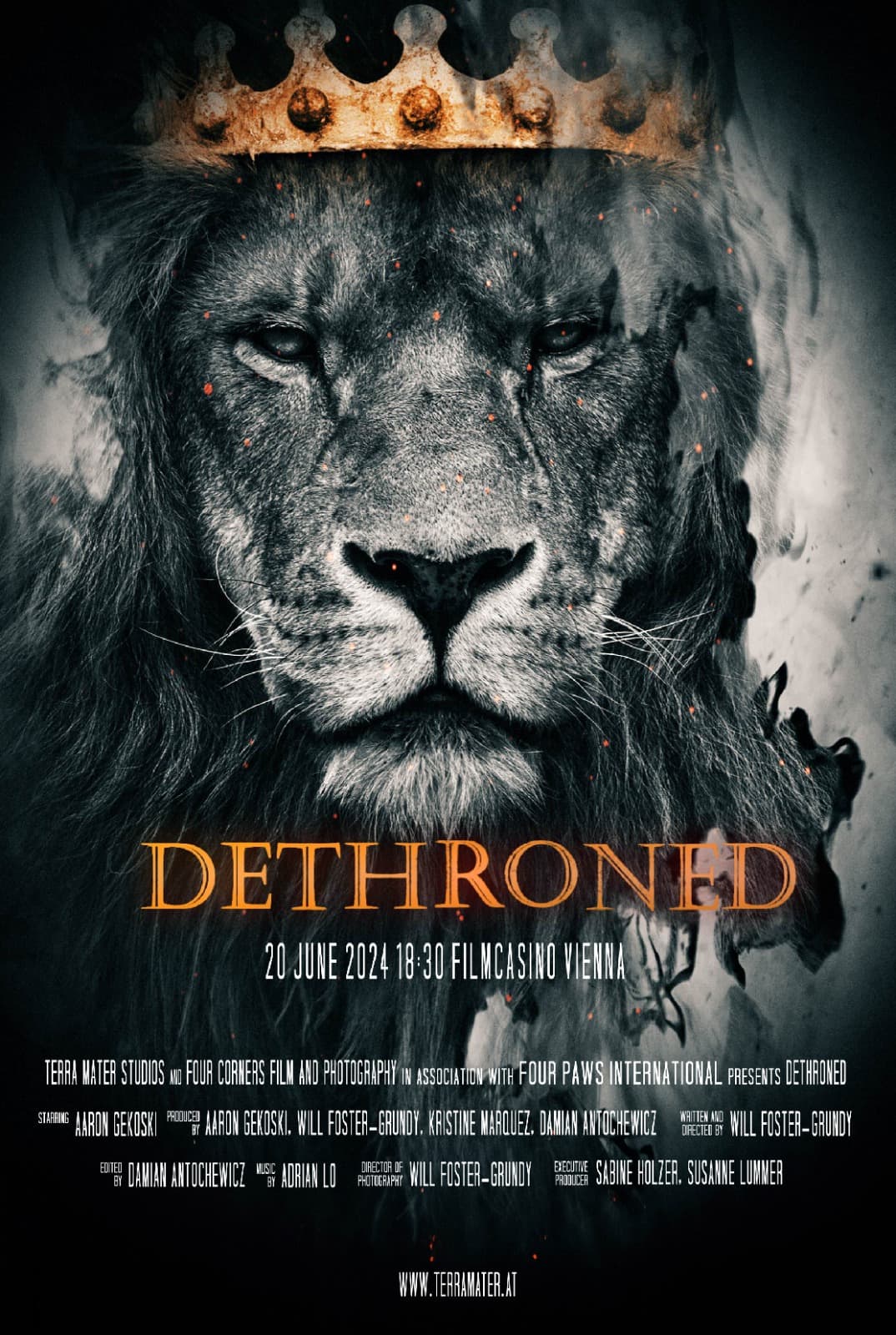
We explore his documentary "Dethroned", which investigates the global trade in big cats across Peru, South Africa, Thailand, Pakistan and India. Lions, tigers and jaguars are caught up in industries ranging from wildlife tourism and captive breeding to the exotic pet trade. And as Aaron explains, uncovering these stories can mean working undercover, gaining access to people who profit from animal exploitation, and sometimes finding yourself in situations where personal safety becomes a very real concern.
I have to admire Aaron is his approach to investigative storytellingm because rather than simply telling people what to think, he believes in showing them what's happening and allowing them to draw their own conclusions. We talk about the impact of this work, including the additional protection otters received under CITES following documentary and campaign work, and why even small changes in awareness and everyday behaviour can matter.
Conservation photography doesn't always have to be about showing the beauty of an animal in its natural environment, sometimes the more difficult stories need to be told, too. And, as we discover, there is still room for a few lighter moments along the way, including some forgotten camera equipment and a little conversation about Filipino food.
Grab a coffee and join us for Part 2 with the amazing Aaron Gekoski.
📸 See more of Aaron's work:
https://www.aarongekoski.com/
🎬 Watch "Dethroned" (Full Movie):
https://www.youtube.com/watch?v=O8R_NGPwOJ8
🎙️ Enjoyed this episode?
Follow, maybe leave us a review, or share it! You know the drill. 😉🎧
🎧 Got any questions? Email us
Thanks for listening, and look out for our next episode! 🚀
[00:00:04] We looked at lions that are being bred in South Africa. They're being bred for tourism to be shot in captive lion facilities for the traditional medicine trade. We were then looking at tigers in wildlife tourism in Thailand. We looked at tigers and lions that were being kept as exotic pets in Pakistan. We were looking at human leopard conflict in India, but certainly Pakistan was very difficult.
[00:00:30] We were there when it was pretty much in the middle of a civil war and there were riots on the streets. We had to have police with us at all times. I'd managed to get myself an E. coli infection. It was awful. And then we're dealing with these big cat owners as well. And it took us almost a year to get access to these guys who let us come and film with them. And these guys, they have guns. They were actually incredibly nice to us, but there was the possibility that things could go very wrong.
[00:00:58] And we're driving through the streets of Karachi at three or four o'clock in the morning. I'm in the backseat of a car with guys with guns. And there's a tiger there. And there's a tiger like mauling me on the backseat of the car. And you're like, how did this happen? How did I end up in that situation?
[00:01:30] Greetings and welcome back to the show. Until you have a tiger mauling you in the backseat of a car, you probably haven't quite the same kind of working day as my guest today. But that's just one of the extraordinary situations you can find yourself in when investigating and exposing this darker side of our relationship with wildlife. From exotic pets and wildlife trafficking to undercover investigations in some rather dangerous places, there's plenty more to this story.
[00:01:58] I'm Tom Jacob, and this is the Camera Cafe Show. Today, folks, I continue my conversation with conservation photojournalist Aaron Gekoski. And we're picking up right where we left off in part one. If you haven't listened to that episode yet, I'd recommend starting there first. We talk about Aaron's journey into wildlife photography and filmmaking, and how his work began uncovering this darker side of wildlife tourism. But, of course, there is plenty more to uncover today.
[00:02:26] We look at a strange world of exotic pet otters in Japan. Aaron takes us to the Ramibia skeleton coast where an undercover investigation into the annual cult of thousands of seals involved a rather dramatic escape through the desert. And then we get into his latest documentary, Dethroned, which takes us from Peru to South Africa, Thailand, Pakistan and India uncovering the global trade in big cats and the very different ways they're exploited around the world.
[00:02:54] From civil unrest and dangerous encounters to a rather unpleasant experience in the Golden Triangle, Aaron and his team have certainly found themselves in some hairy situations to make this film. But, of course, folks, there are some laughs too in this a bit darker episode, forgotten camera equipment, an unfortunate underwater gear mishap, some great Filipino food and why building a house turned out to be almost more stressful than dealing with wildlife traffickers.
[00:03:21] Get yourself a coffee, settle in, and join me for the second part of my conversation with the amazing Aaron Tchaikovsky. Then your investigation into orangotangs. The other thing is, they reveal how a wild animal can become a commodity in tourism industry. And the same idea in a different form when wild animals become fashionable pets takes me to another investigation you made about an animal that most people find almost impossible to resist is the otter.
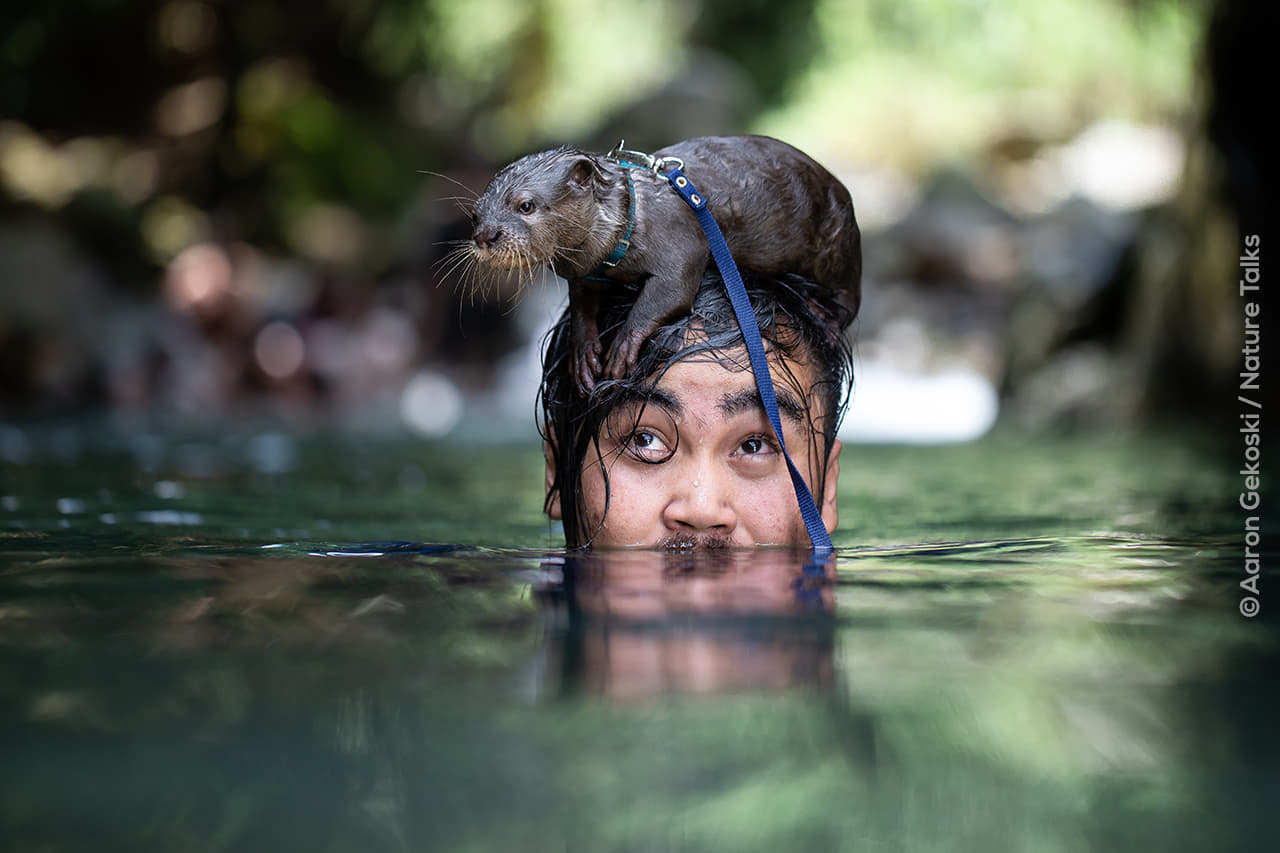
[00:03:51] So they are one of those animals that everybody likes. They have this cute factor about them. And then people start posting selfies with them online. When it was that you realized that it was fueling a much bigger problem? So this was actually working again with one of our clients called World Animal Protection, and they have had a campaign about otters being used for the exotic pet trade. And that's what I again, what I love about this career.
[00:04:20] I feel so fortunate to have worked on these stories that are just so fascinating. I didn't know anything really about this industry until they approached us and said, Oh, did you know that otters are being used in exotic pet cafes in Japan? Or there's this huge industry where people are then capturing otters from the wild, and they're keeping them as pets in their houses. And the same as what you just mentioned, everyone loves otters. And you will see these images on social media and people petting them,
[00:04:48] people keeping them as pets in their houses. And you think, Oh my God, that's so cute. I want to have a baby otter. And then when we got contacted by our clients and they wanted to make a documentary about it, the more we started researching and learning about the industry, you realize again, the same with otters as with baby as with orangutans. So how do you capture an otter from the wild? Of course, you have to go kill the parents. The mother is fiercely protective over her cubs.
[00:05:17] So you have poachers who are going out there. They're going into dens or they're killing the mothers. They then get the cubs and then same thing. They're smuggling them across countries into places like Japan. You can get an otter now on the black market could be around $10,000. And they're going and then they then end up as these sort of Instagram celebrities. And we went and we filmed with this lady in Japan.
[00:05:43] And this lady's otter, Takachiyo, has a million followers. It has its own Instagram account and a million followers and videos of Takachiyo eating cat food, looking really cute. And when you view this in isolation, yes, it does look cute. And yes, you can see how people would want an otter. But the reality is so different. We went to this woman's flat and it was chaos.
[00:06:10] We knocked on the doorbell and then we just saw these like little hands scurrying under the door. And then you open the door and it's this stench of these otters. And these crazy little guys running around like mad things, running around, squealing, squeaking, biting everything. Otters are chaotic. They do not stop moving. They have such fast metabolisms. They stink as well. They bite.
[00:06:40] They, I promise you, the reality of owning a pet otter could not be more different to what on Instagram. And this woman was just like, oh my God, why didn't I just get a dog or a cat? Why did I get an otter? And she did because she'd seen videos of them looking cute. And then you're stuck with these maniac pets. I think you went to an animal market in Jakarta with your directors. How easy is it to find people willing to sell you an otter?
[00:07:07] So a lot of the time, so these animals and these exotic pet markets around Asia, you can get any animal you want. Pretty much if you dig hard enough. A lot of the time, the animals that are on display are the animals that you're legally allowed to sell. So otters in Indonesia, it's illegal to sell them. But we went and we put a secret camera on an investigator and he asked a couple of questions to the people at the market. And they said, sure, we can get you an otter by tomorrow.
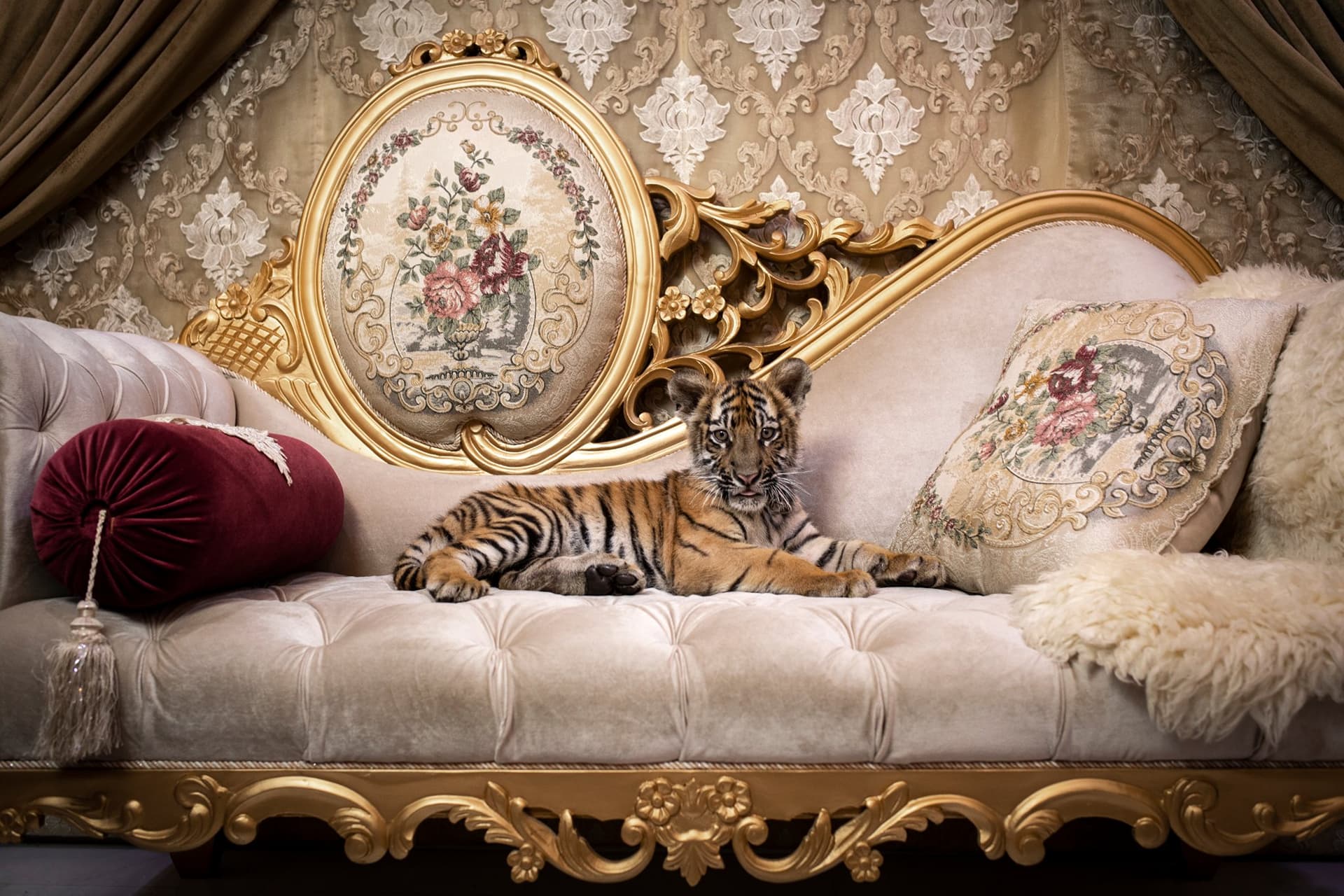
[00:07:35] In fact, we were told that they could get us any animal. You could get a, you want to get a tiger cub? Yes, we can get you that. Anything. So these, these filthy, disgusting, exotic pet markets are often just a, they're a front for wildlife trafficking. Hmm. So it costs $10,000 that might be nothing for people that want it. And this is not only for otters, but what happens to an animal status when it becomes a valuable commodity?
[00:08:04] So when animals become commodified like this, then they become status symbols. And that was something that we really saw in the documentary we made called Dethroned, which was looking at the big cat trade around the world. And we went and we met these guys in Pakistan. And these guys in Pakistan, it's just, it's a fashion symbol for them.
[00:08:27] It's if you have a big cat as a pet, you're tough, you're cool, you have money, you can show off to your friends, you can maybe start a YouTube channel and you can get respect. Hmm. The more that these animals are worth on the black market, the more status that it gives people. Hmm. I was thinking a moment of the image you made with the author, Aaron, with, I think it's, it's the woman in the background behind the curtain. Yes. With the backlight coming inside. So you're, you are filming this documentary.
[00:08:56] You have always your camera somewhere near, if you will see a shot. Yes. How are you? Yeah. So, so that was, yeah, I spoke to you about the 10, my 10 moments earlier. Mm-hmm . That was probably one of those moments. It was so brief. It was, and I also, I spoke a little bit about luck versus planning a shot. I was there and I was interviewing this woman and I had my camera on my lap as I always do. And I saw this shape out the side of my eye and it was the otter just running across the windowsill. Mm-hmm .
[00:09:25] So I just quickly turned and fired off a shot, had the wrong lens, had everything wrong. And then I'd seen that behind the curtain, the owner's daughter, her little daughter of three years old was for whatever reason, was standing on the windowsill behind this veil, just as the silhouetted otter had run in front of her. And I was just like, again, it was one of those moments where they, I then looked in the back of the camera. I was like, that isn't, that's such a great, it's such a great and such a lucky image.
[00:09:56] Also as a photojournalist, you always want to try and take completely unique shots and unique perspectives. Yeah. It's not always possible. In fact, it's very difficult to take a shot that no one else has in their book, but I can guarantee you there are no other photographers on the planet who would have a shot like that. So just complete fluke, but it gave it this very, it was like a shot from a Japanese horror movie or something like from The Ring. Yeah. And it's still one of my favorite, one of my favorite photos I've ever taken.
[00:10:25] I think it's part of what I like about your amazing work, Aaron, because it's conservation, but it's another part of conservation photography. It's not trying to show the best of the other in the wild. The wild, it's showing what can happen when it's not in the wild. And the two are conservation and your side of that story to make an impact is what I find most fascinating about it. Yeah.
[00:10:53] And actually, you know what people just think that wildlife shots, they're the beauty shots. Whereas actually I think conservation images can be incredibly beautiful. I think that shot of the otter has this kind of ethereal haunting beauty to it. I think the shot of the donkeys as well, I would hang it and put it on my wall. I think my wife probably wouldn't. And some of the great conservation photographers, Charlie Hamilton, Jasper Durst, Marcus Westberg, some of these photographers that I really look up to.
[00:11:23] And they might photograph some very difficult subjects, but their work, I just think is absolutely spectacular. And I'd much rather have a shot that tells this interesting story on my wall rather than just another generic photograph of an animal in the wild. Jasper Durst, he has to come on the show, but it's difficult because he's always busy, but we will talk about his flamingo.
[00:11:45] Yes, again, Jasper, he's a genius photographer and his ability to see stories in such a different light and then to be able to, he really immerses himself with this subject. He will spend years and years on a particular issue or on a particular story. And then the perspectives that he's able to tell, his eye, the guy's a genius. Genius, yeah.
[00:12:11] Let's see if we can enter a story more, although it's, I think, a bit more, even more difficult. So from otters turning into fashionable pets, let's move to a story where the relationship between humans and wildlife become much more open, confrontational. Your next investigation is Namibia, the skeleton coast where seals are being killed each year on a large scale, which is a different kind of project altogether.
[00:12:40] For anyone hearing about this for the first time, Aaron, explain what is happening there on Namibia's skeleton coast. So yeah, this is going back a few years now. This was one of the first stories that I ever worked on. And this was at the time where it was going on some pretty hardcore investigations. Because in Namibia, every year about 80,000 seals are culled and they will hit the babies over the head with clubs often. It takes them quite a long time to die. They will then kill the adults.
[00:13:09] They will then chop off the penises and then send them to Asia for use in traditional medicine. And the baby's pelts are used in the fashion industry. So everyone knows about that seals are culled in Canada and in different parts of the world. But not a lot of people know that it's happening in Namibia. And it's happening on such a huge scale every single year. And the brutality of it as well. So the cullers will go out early in the morning. They go and they cull the seals.
[00:13:38] And then within an hour or within two hours, tourists will then go and see that seal colony, just completely oblivious to the carnage that happened just before. I was working then with this conservationist called Pete Bethune, very hardcore kind of military guy who will go and he will put together these really complex military style expeditions to go and infiltrate these wildlife crime stories. So he had these Navy SEALs.
[00:14:07] He had these young military guys. And the goal was to go into Namibia and to try and get undercover footage of the SEALs being killed because none of it existed. Because the military was out in Namibia. They said that anyone going into Namibia would be jailed if they were caught trying to film the cull. So it was a really difficult investigation. Like the year before, some journalists had tried. They got beaten up by the SEAL clubbers. They got thrown in jail. So it was really a complicated story.
[00:14:37] So we went and we had this kind of hardcore unit put together. We smuggled a load of boats across the border. We smuggled all of our camera equipment across. We laid all of the secret cameras out everywhere. We had this hideout where we were staying. And then all of our names got released to the media. Then we were chased through the desert by these SEAL clubbers. We're driving in this battered old Mercedes, being chased through the desert by these SEAL clubbers.
[00:15:06] And in the meantime, he smuggled these boats out into the middle of the night, launched off the boats, jumped into the water with all their cameras in these dry bags. And they've stayed undercover in the diamond mining district with these long lenses, slept out in the diamond mining district for days on end, trying to get these undercover shots of SEALs being culled. It's really dangerous stuff. You could easily end up getting killed there. You could end up getting thrown in jail.
[00:15:35] And those were the missions when I was first doing it. This was so exciting to me. This is what the adrenaline. I've gone from working in a modeling agency in London to smuggling gear across borders and trying to get undercover shots of SEALs being clubbed in Namibia. But you certainly felt alive doing these stories. I was going to ask, what goes through your head when you're being chased around there? You still think about the story? I remember at the time just saying, we've got to get the fuck out of here.
[00:16:04] We drove 19 hours all the way back to Cape Town. We did not stop. We were just like, your name is out there. It's in the media. They'd easily stop you at the border. If your name's released to the police, then you're working there illegally. So at the time, you're just thinking about getting through it. You're thinking about your safety. You're thinking about the safety of your crew members as well, and that everyone could get out safely. You learn how to gauge safety after a little while,
[00:16:30] and you learn about the steps that you can take to try and ensure your safety. Because ultimately, what is the good in putting yourself in such a dangerous position that you end up getting killed for this work? Then it means you can't ever work on any of these stories again, and all of these important issues will just not be released to the public. So it's paramount that you put your safety first. We work with locals. We work with local fixes a lot of the time, people who can help us read situations,
[00:16:59] often safety in numbers as well. So when I'm doing things on my own, it can be a little bit more dangerous compared to when I'm working with a larger team. And also just being able to diffuse these situations. It's amazing what a smile will just do when you're a joke. If you go in with a camera and you're skulking around and you look like you're working on something undercover, you're not going to get very far. But if you go in, you've got your phone, you're having a joke and a laugh,
[00:17:27] you're having a drink, you're buying people shots, then it will get you a lot further. But every project takes a slightly different approach. Let's move on, Aaron, to something, another side of our relationship with wildlife that also threatens it. Because sometimes it starts with something completely harmless. You want to get close to a wild animal, you take a picture and you share it with the world. And that brings us to what I first contacted you about,
[00:17:54] wildlife selfies and the culture around wildlife selfies. So people see these photographs on social media and they often think the animal looks happy or the encounter is harmless. What's really happening behind the scenes that the photograph doesn't show? So yeah, a lot of the time people are, they want to go out, they want to get that selfie for social media. They want to show I'm exotic, I'm traveling, I'm spending time with these animals.
[00:18:21] And what the image doesn't show is it doesn't show how does that animal, after you have picked it up and put it back down again, what is that animal's life like? How is the animal looked after? Does it have the right veterinary care? Does it have enough space to move around it? Is it kept in appropriate conditions? How did that animal end up in that situation? Has it been smuggled from the wild? Have its parents been killed? So there's a huge amount of backstory that is missing when you just see this image of someone
[00:18:51] cuddling a baby tiger on their Instagram. Then let's stay with the tigers. And finally, part of a much bigger industry. And that's something you explored in your latest feature documentary, Dethroned. Let's take a closer look and see what happens when the big cats becomes a commodity. So your film Dethroned is out on YouTube. I will have the link in the show notes. It takes us from Peru to Pakistan, Thailand, South Africa,
[00:19:22] among all places to investigate what happens to big cats. How did this project come about? When you saw that this was part of a bigger story you wanted to tell? So this was actually like some stories like the, like Eyes of the Orangutan was a story that just organically grew. Others like the Otters or like Dethroned came about because a client sent an email. They had a campaign that they were working on. So, but Dethroned ended up just turning into this machine.
[00:19:51] It was never meant to be as big as it ended up being. A client that I've been working with for many years called Four Paws, who were doing amazing work on the dog meat trade and on big cats. They contacted us and they said, we'd like to do a short documentary for CITES for the convention. So that was just going to be like a kind of short awareness video, maybe 15 to 20 minutes long. And then we said, look, you know what? Because the whole brief was,
[00:20:20] we want to make a documentary about big cats and the threats that they're facing. It's very broad. It's like there's a lot of, you know, there's many different species of big cats and there's many different threats. Like how do you even begin to tackle a brief that big, let alone do it in 20 minutes? So then we approached a production company that we'd been working with for years called Terra Marta, who were based in Austria. And we said, look, we have a little bit of funding to make a documentary about big cats.
[00:20:48] We think we could make something really powerful here, really impactful. And you were very fortunate that they decided to throw their weight behind it as well. So from there, it was because it was such an open brief. This was almost like a dream project because then you can pick and choose the stories yourself. Based on your research, you can let it again, you can let it grow organically from there. We then started looking at, which you just mentioned,
[00:21:17] we were looking at the jaguar trade in Peru, where animals were being killed for tourism, losing their habitats. We looked at lions that are being bred in South Africa. They're being bred for tourism to be shot in captive lion facilities for the traditional medicine trade. We were then looking at tigers in wildlife tourism in Thailand. We looked at tigers and lions that were being kept as exotic pets in Pakistan. We were looking at human leopard conflict in India.
[00:21:47] So it's fascinating in India where conservation efforts have almost worked too well, so that there's so many leopards now that hundreds of children are being killed every single year in India by leopards, by leopard attacks. So then from there, how do you then try and turn all of these fascinating stories, all of these stories could easily be an hour documentary on their own. So then how do you turn them into one cohesive, engaging narrative
[00:22:15] in order to tell a story about some of the threats that are facing big cats all over the world? I worked with a fantastic director called Will Foster Grundy, also an incredible cinematographer. You said that you watch the film. I think it's really a work of art. Yeah. And what he managed to produce, if anyone watches it on YouTube, please watch it on a big screen because the camera work and the storytelling, I think is just beautiful. So then you have to have the right team behind it.
[00:22:44] And I work with guys who are just at the very top of their game and able to tell these stories. And hats off to them. I have no idea how you can turn all of these different stories and weave them together into one film. It was really an impressive feat. No, it's amazing. You did the still photography for it, Aaron? Yeah. Yeah. So I did the stills. So everyone has their own very specific roles in films like this. So I will do the stills. I'm in front of camera.
[00:23:13] I do a lot of the production side as well. So I will try and get funding, deal with the clients. Then I have Will, who's the director and the cinematographer. And then Damien, who's an incredible editor and also a great storyteller. And then a production manager who does all of the nitty gritty, the day-to-day, the budgets, the scheduling, being on shoot, making sure that the shoot runs smoothly. So once you've had a crew that you've been working with for many years,
[00:23:43] you get to know each other inside out. You see each other at your best and you see each other at your very worst. And you have these moments, these bonds that will never, ever be broken. I think anyone who works on this type of films or in documentaries in general will say the same thing. I don't want to spoil the experience for everybody now eager to watch it. But between all the things you investigated, Pakistan, Peru, South Africa,
[00:24:09] of all these places, which one challenged you and your team the most? Oh my God, goodness. There were so many. We could write a book about some of the things that happened behind the scenes that obviously don't make it into the film because it's behind the scenes stuff. But certainly Pakistan was very difficult. We were there when it was pretty much in the middle of a civil war and there were riots on the streets. We had to have police with us at all times.
[00:24:37] I'd managed to get myself an E. coli infection. So I was shitting myself the entire trip. It was awful. And then we're dealing with these big cat owners as well. And it took us almost a year to get access to these guys who let us come and film with them. And these guys, they have guns. They were actually incredibly nice to us, but there was the possibility that things could go very wrong.
[00:25:02] And we're driving through the streets of Karachi at three or four o'clock in the morning. I'm in the backseat of a car with guys with guns. And there's a tiger there. And there's a tiger like mauling me on the backseat of the car. And you're like, how did this happen? How did I end up in that situation? So that was one place. The other place was the Golden Triangle. So the Golden Triangle is the epicenter of all illegal activities around the world,
[00:25:30] of sex tourism, sex trafficking, illegal gambling, wildlife trafficking. It's just a completely lawless place. The Golden Triangle sits in the intersect of China, Laos, and Myanmar. And we're there. And we're the only white people. We're the only tourists. And it's just Chinese gangsters with gold medallions and child prostitutes everywhere. Child prostitutes wearing pajamas everywhere.
[00:25:58] It was the most surreal, disgusting place you've ever been to. And you drive along the high street, and it's just these brothels with young girls in them who have been trafficked from across Asia. It was so horrendous. And a lot of it, we do show some of it, but a lot of it you can't film because you'll get killed. So that was the most sinister place for sure I've ever been, ever. You just cannot believe that somewhere like that exists.
[00:26:27] This was the place that closed down at nine o'clock in the evening? Yeah. Yeah, it completely shuts down, but there's still a lot of sex tourism that's going on as well. In the middle of the night, I remember someone was trying to break my door down. It was a prostitute with her pimp, and they were trying to break my door down. And honestly, we woke up in the morning, none of us slept at all. And we said, we've just got to get the hell out of this place. We've got to leave.
[00:26:56] It's just too dangerous. If anyone finds out what we're there for, then we're in serious trouble. Behind making a film like this. But to know how you get to the story a bit, Aaron, so you're investigating a multi-billion dollar industry that is causing harm. How do you approach the people that profit from it, thinking that every moment your own life could be at risk?
[00:27:23] And if it's worth working on a project like this, how you actually get through the door and persuade people to let you tell the story? So it can be, it's different methods. So like you said, that if these are people who are making so much money, if you're going to do anything that can impact their livelihood, these people are going to find you and they're going to kill you. Sometimes you can do things, sometimes we do it undercover, you set fake accounts up, you set fake Instagram accounts up,
[00:27:53] which we did a lot of that in Pakistan. Some of the time, you're just, you can just be completely open. Like with the Otters documentary, we would just say to people, we're making a documentary about Otters and the pet trade. And you're not giving them all the information. You're not telling them it's funded by an NGO. You're not telling them about the sort of agenda that you might have. And then it's up to them. I don't feel like it's misleading to then contact people and say, we're making a film.
[00:28:22] We did that throughout Dethroned. We are making a documentary about big cats and some of the issues they're facing around the world. It's not, I don't want to, I don't want to be dishonest and lie to people. And then sometimes you might have to have sign agreements with people in terms of them having to see the footage before it goes in the documentary. And we're happy to do that. But I think a lot of the time, and that's something that has grown, I think, in our filmmaking is that you don't want to be making films
[00:28:52] that are just condemning people. Right. And if you are watching it, and that's my issue with a lot of conservation films, is you, as soon as you start watching them, you know what you're being told to think. So it's, this is happening. It's all terrible. These people are bad. This is what we should do about it. And I think it's much more interesting to go in there and just ask people the right questions. We have a really powerful scene in Dethroned where we're speaking to a hunter.
[00:29:22] He's a big game hunter. He will go to South Africa and he will spend thousands of dollars to go and kill a big cat in the wild. And we didn't, we just, it was just about asking the right questions and then you're giving someone the rope with which to hang themselves with. We didn't need voiceover saying, I was disgusted by this guy and what he told me because people will come to their own conclusions based on the answers that he gives to the right questions.
[00:29:52] And that's why I love, I don't know if Louis Theroux, Louis Theroux, he's my favorite. He's my favorite broadcaster because he just gets people to open up just by being himself. And I could never be anything like, no one could ever be like Louis Theroux. He's completely unique and it's so brilliant. He's so intelligent. But he just extracts information out of people. And you know he has an agenda, but people still somehow open up to him
[00:30:22] and they will pour their hearts out to him. So that's what a lot of it is and I think that's the way that our films are developing now. It's you show, you don't tell. Then Aaron, I have to mention a bit of the recognition you got through all the years. Environmental Photographer of the Year, Previous Winner at Wildlife Photographer of the Year, Nature Photographer of the Year, Man and Nature, International Photography Awards, Africa Geographic, and so on. So it's an incredible collection of honors,
[00:30:52] especially for works that take you in difficult and uncomfortable places. Now, an award can bring an enormous attention to an image and a situation and reach maybe an audience that you might have otherwise never reached. You know if the attention also translated somewhere in a change for the better in real? So this is the moment for our feel good story after all we talked about.
[00:31:21] Is that something based on projects I've done? Or based on competitions in general? Whatever you want, whatever is a good feel good story. Okay, yeah. So I think that victories in this career, they come in many different forms, right? So a victory can just be someone saying, oh, I saw an image of yours in a competition. Now, because of that image, I know more about the palm oil industry and I'm now not buying products that have palm oil in them.
[00:31:51] So that's on an individual or on maybe a smaller level. And then there can be major victories like changes in legislation. For example, I worked on a story about the dog meat trade in Cambodia and the story went all over the world. It went huge. And then within a few weeks, again, I'm not saying it's just because of my images. I'm not taking that credit. There's a lot of hard work going on by these NGOs on the ground. But the media coverage and the photos
[00:32:18] can really push people over the edge. And particularly like in this part of the world where it's a lot about losing face. And if a film or a story comes out that puts you in a bad light or puts a government in a bad light, then that can really make them act. And that's where I've had sometimes the most success is almost going in there and naming and shaming or putting a place in a bad light.
[00:32:47] Another major victory we had was with the Otters documentary. So that film ended up being shown again at CITES. And we heard that off the back of that, and again, off the back of a lot of hard campaigning work that our clients did, that Otters ended up then getting an extra level of protection with CITES. So these are when you get really tangible results. You know that, okay, you have made a film, you've done an investigation, and it has potentially led to X, Y, Z. These are the things.
[00:33:17] A lot of the time, this is so important because 99% of the time, you will put yourself through hell. You will go out there. You will cover stories that you think are so important or so interesting. And a lot of the time, you're just like, what even happened? Nothing happened. You put them out maybe on your Instagram and a few hundred people will say, that's terrible. And then it just carries on. I go to these horrific zoos. You show the worst form of mistreatment.
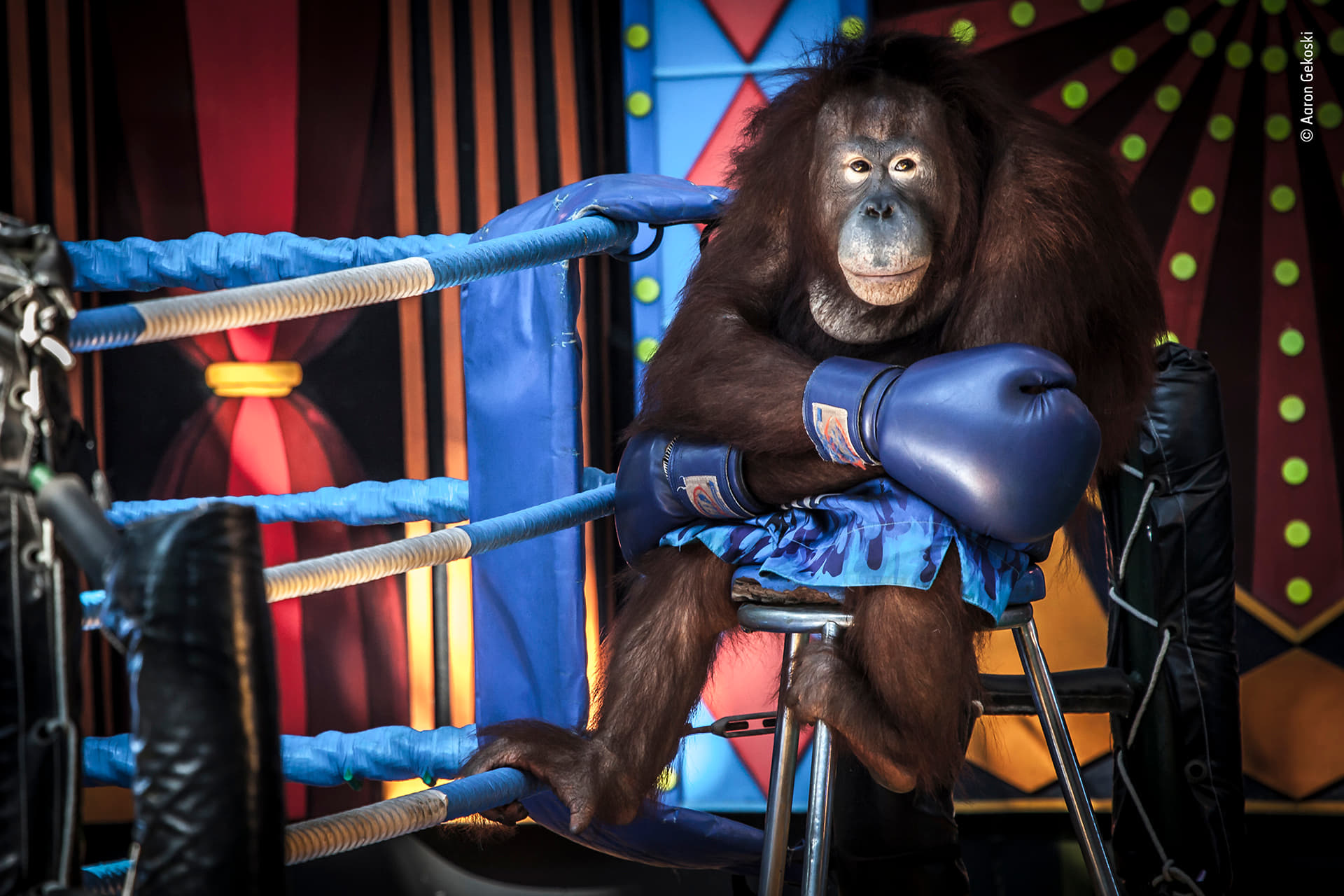
[00:33:45] And yes, you can go out there on social media and then people will get enraged and the zoo might be a bit, might put a statement out, but ultimately nothing changes. And that's what can be the most difficult thing in this job is that I know that those orangutans at Safari World, despite everything that has been done by campaigners and filmmakers and photographers to get this place shut down, to bring awareness. These orangutans are still there every day performing for people.
[00:34:15] And that fucking kills me. I hate that. So yeah, it's, I would love to sit here and say, yes, all of my work has made so much impact, but it's just, it's simply not true. A lot of the time, nothing happens whatsoever. Occasionally you get that victory and sometimes someone will just send me some feedback and say, I've seen this image. And that's what kind of keeps you going when you're in your lowest or in your darkest days
[00:34:44] or when you think that you like, screw this, I don't want to carry on. It's little bits of feedback like that keep you motivated. I was going to say, Aaron, maybe instead of thinking on a big level, like shutting down a place, think on a small level. If I show this to my daughter, I know she will not go to this place when she goes to Thailand. And it starts with steps like this. If we can avoid people going,
[00:35:13] they will in the end shut down. Exactly. And it's all, people often ask me, they'll say, what can I do? I feel so helpless. And you can just do small things, small everyday things, just by telling your children about some of the issues, showing your children dethroned a film like this that they wouldn't otherwise have ever come across. These are hugely important steps. So that's another thing. People often feel very hopeless, but there are everyday things that we can do, everyday tweaks and changes
[00:35:41] to our daily lives that can really help make a difference to animals. You answered a bit the next question I had in my head. Let's say your legacy, when you would look back when you get old and you sit on your beach in Philippines with the coconut in your hand and you look back on your career, and I would love to ask this to David Attenborough, is what would you most like your work to have changed? But I think it would be in the way that people think.
[00:36:10] Yeah, I think it's the way, it's the way that people see animals. And now people say, it's a line that we use in Dethroned, is that now people see animals as a commodity to be consumed, to be exploited, to serve us. And animals are, we are so privileged that we share the planet
[00:36:39] with animals like a manta ray or an elephant or a great white shark. And these are animals that realistically, they were not going to be around in a couple of generations from now. So I think I would just like to, I just like there to be a paradigm shift in terms of how we view animals, that they are not just there to serve us. Aaron, to end this, let's do something different. What's your funniest travel disaster?
[00:37:08] Nothing to do with wildlife, but something that afterwards makes a good story and what you still love when you have a whiskey in your hand. Oh my goodness. Wow. I think some of the funniest ones are when you've traveled to the other side of the world and you have forgotten a tiny piece of equipment that renders everything else obsolete. And then those are the times that you can only,
[00:37:38] some of the things that wildlife photographers will laugh about are about the images that they lost. Whether it's through a camera malfunction, whether it's because you've gone to the middle of the jungle and the middle of the Congo and you've forgotten the base plate to your tripod so it means then that you can't shoot anything. These are the things you have to have quite a dark sense of humor in this industry because things go wrong all the time. Whether it's equipment, whether it's malfunctioning, whether it's I've gone down 30, 40 feet
[00:38:07] into the bottom of the ocean and you have the most perfect shot in front of you and you go to press your cam and you haven't put a battery in your camera and you've, so I would love to actually make a whole story about the shots that people miss because of just complete brain farts that they've had. They are good enough and how are you, how are your cooking skills? Awful. My wife is, my eating skills are great but my cooking skills are fairly horrendous.
[00:38:36] My wife is a fantastic cook though luckily. Okay, excellent. Why do you ask? Because if we would ever catch up in the Philippines and we sit with the coconut in the hand I want some great food with it too. Tell you what, that people don't know about Filipino food, Thai food's very famous, Vietnamese food's very famous but Filipino food goes under the radar but there are some fabulous dishes here. They do great soups. My wife's actually upstairs cooking us a wonderful tonola at the moment which is like this gingery
[00:39:06] lemongrass chicken soup. It's delicious. So, please come, you're welcome anytime. The beaches here are fabulous, the diving is wonderful, the food is great and it's a really good place to unwind between some of the more hardcore assignments. Just don't ever build a house here. Not planning to. That will really give you a nervous breakdown. It was always a dream of mine to build a house. I always thought,
[00:39:36] how hard can it be? And it's also good to do something when you're, I've been a photographer for 20 years now and a filmmaker and then you suddenly you learn something completely different, completely new and you challenge yourself in completely different ways. certainly learned a lot. So, between learning all this work to make dethroned and building your house, it's on the same level? Oh my goodness. The difficulties are on the same level? I would say no, the difficulty of building a house
[00:40:06] was much worse. It was much more stressful than even going out there in the middle of Pakistan being with a load of wildlife traffickers. Working with corrupt construction people who cheat and steal and mess everything up, burning through. Like building a house like this, it's, I've worked for so long in such difficult situations to earn the money I have and then suddenly you have people who will just try and steal it from you who are just
[00:40:35] completely corrupt. It just blows my mind. But now hopefully we can enjoy it a little bit more and it's to have that sanctuary where you go off and you do the hardcore work and then you come back and like you said, you go to the beach. The beaches here in El Nido are spectacular. It's really important to have that for your own headspace as well. But you have this amazing view when you look outside now to work. Oh yeah. Yeah. And there's nothing like it to be sitting here just looking out
[00:41:04] towards the mountains just completely clears your head. It's very special. Nice. You deserve it, Alan. Thank you. Thank you so much. Aaron, thanks so much for joining me today. It's been amazing to talk about your journey, learning about photography, your films and some of the stories are very difficult to hear but I think it's important we get them out because otherwise it might never reach the people who have the power to make a change.
[00:41:35] I think we also discovered there's rather more to you than wildlife investigations. We even know now about building a house in the Philippines. So we will catch up there. I will try to make it work next year if you are available sometime and we will try some of your wife's amazing food. Fantastic. And I want to say as well, thank you so much for the very thoughtful questions as well and for the research that you've put into my work. It's nice to do an interview where someone
[00:42:04] has really thought about the questions that they're going to ask you and really studied my path. So thank you. It's been a... And it's nice as well to go through some of these things that I haven't even thought about in many years. And also when you talk about your work and you talk about the things that you've been through, I've been going through a difficult period recently. I've had this operation, I've been out of action for two months, I'm having to cancel work. But then to relive some of this, it brings back, I don't know, a sense of achievement
[00:42:34] or accomplishment or pride and for that I'm very grateful. But you made me work a lot for research because I did so many amazing things. So you owe me a whiskey when I'm there. I do owe you a whiskey. Please, you're welcome here anytime we have. This is actually your room here. So we have a lovely spare orange room for you. Excellent. Aaron, thanks so much again. We will be in contact and I see you soon around. Thank you so much. Okay, thank you so much, Tom. Thanks.
[00:43:04] Bye. And that's a wrap for my conversation with Aaron Tchaikovsky, folks. I think Aaron has given us plenty to think about. It's easy to enjoy a photograph of a beautiful wild animal, but perhaps we should sometimes look beyond the image and ask ourselves what story lies behind it. Because animals aren't there for our entertainment, our social media feeds or our living rooms. they deserve to live as wild animals and the more we understand that, the better. Aaron, thank you for sharing your incredible stories,
[00:43:33] your experiences and the work you're doing to bring some of these difficult stories into the open. It's been a real pleasure having you on the show. People, if you'd like to explore more of Aaron's photography and documentary work, including the link to Dethroned, you can find everything back in our show notes. And of course, folks, if you enjoyed this episode, have a look at our website and don't forget to subscribe to our newsletter, leave us a review and follow us on any podcast platform or on YouTube. Till next time, keep shooting
[00:44:03] and keep on moving your own photography forward. We'll see you next week right here for another conversation with an amazing photographer. Adios.