

Sometimes the stories are difficult. Sometimes the places are dangerous. And sometimes, somehow, you end up laughing about bullets in the middle of a war zone. 📸🌎
In Part Two of my conversation with Carolyn van Houten, we continue the journey into some of the places and stories that have shaped her career. We start in Ukraine through the story “The Boy and the Ballistic” as we follow Matvey, a young boy who lost his mother and his left arm in a missile strike. It’s a story about Matvey. It's a story about finding US-made parts in a Russian ballistic missile.
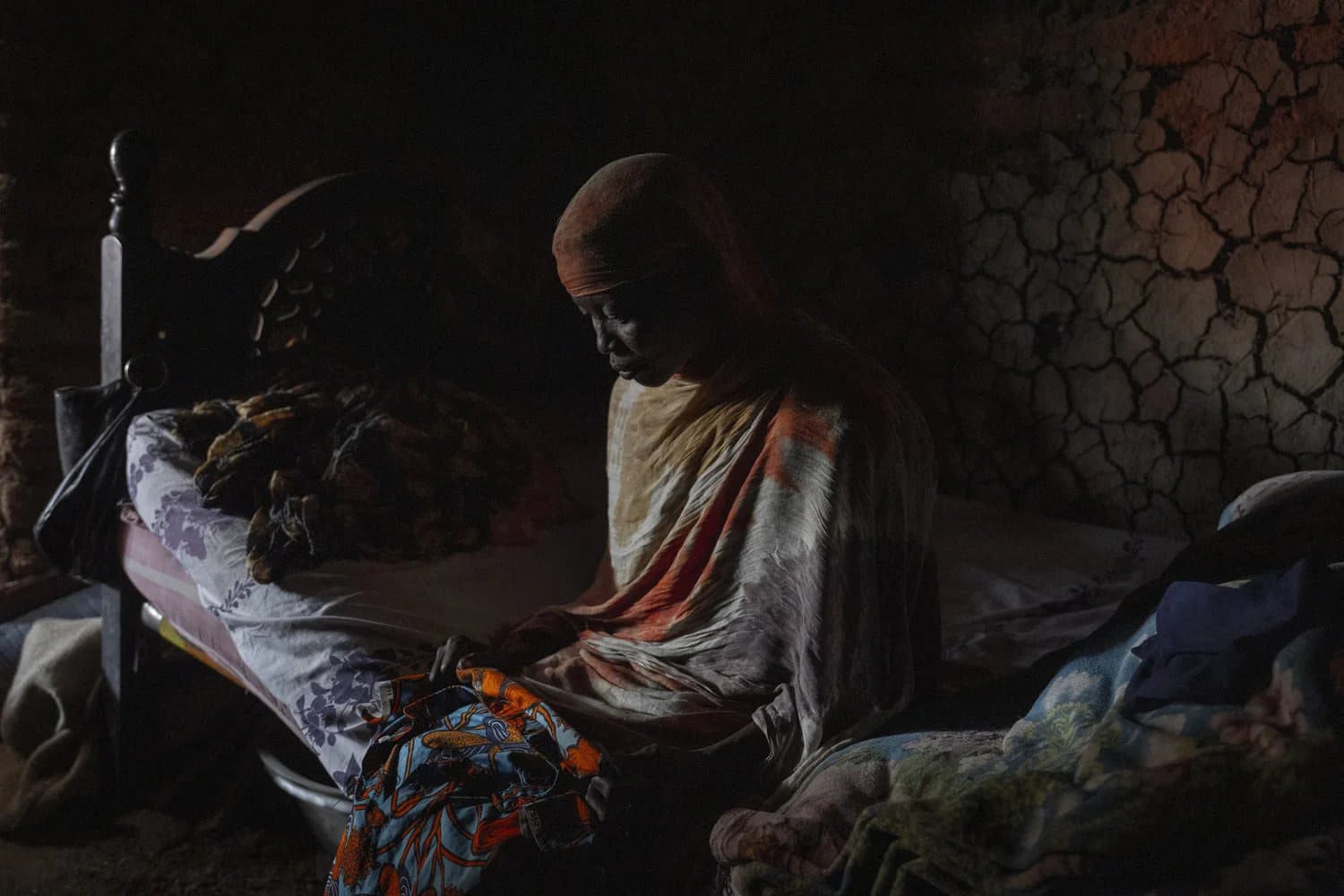
Then we head to Afghanistan, where Carolyn photographed “Women Living under the Taliban” while navigating increasingly strict restrictions around photography. We talk about the responsibility that comes with making pictures in places where simply raising a camera can put someone else at risk — and how those restrictions can sometimes force you to become even more creative.
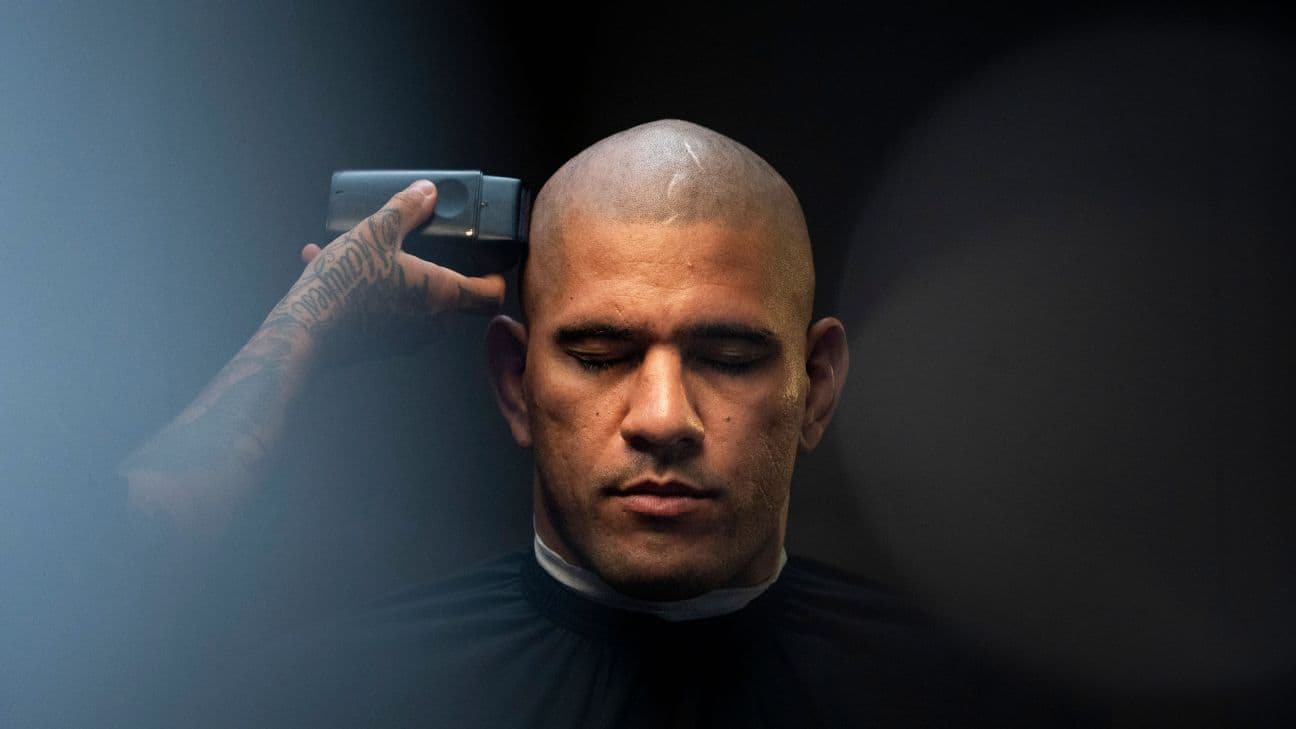
From there, starting her new chapter as a freelance photojournalist after almost nine years at The Washington Post, she finds herself photographing UFC fighters and their families for the Freedom 250 event at the White House — spending time with them away from the cage and seeing the people behind the fighters.
Through all of it, there’s the thread where a bit of stubbornness, persistence, luck and a bit of humor comes in handy too, when trying to understand the human story behind the bigger picture.
So grab a coffee, pull up a chair, and join me for Part Two of my conversation with the amazing Carolyn van Houten. ☕📸
***
📸 See more of Carolyn's work:
https://www.carolynvanhouten.com/
***
🎙️ Enjoyed this episode?
Follow, maybe leave us a review, or share it! You know the drill. 😉🎧
***
🎧 Got any questions? Email us
Thanks for listening, and look out for our next episode! 🚀
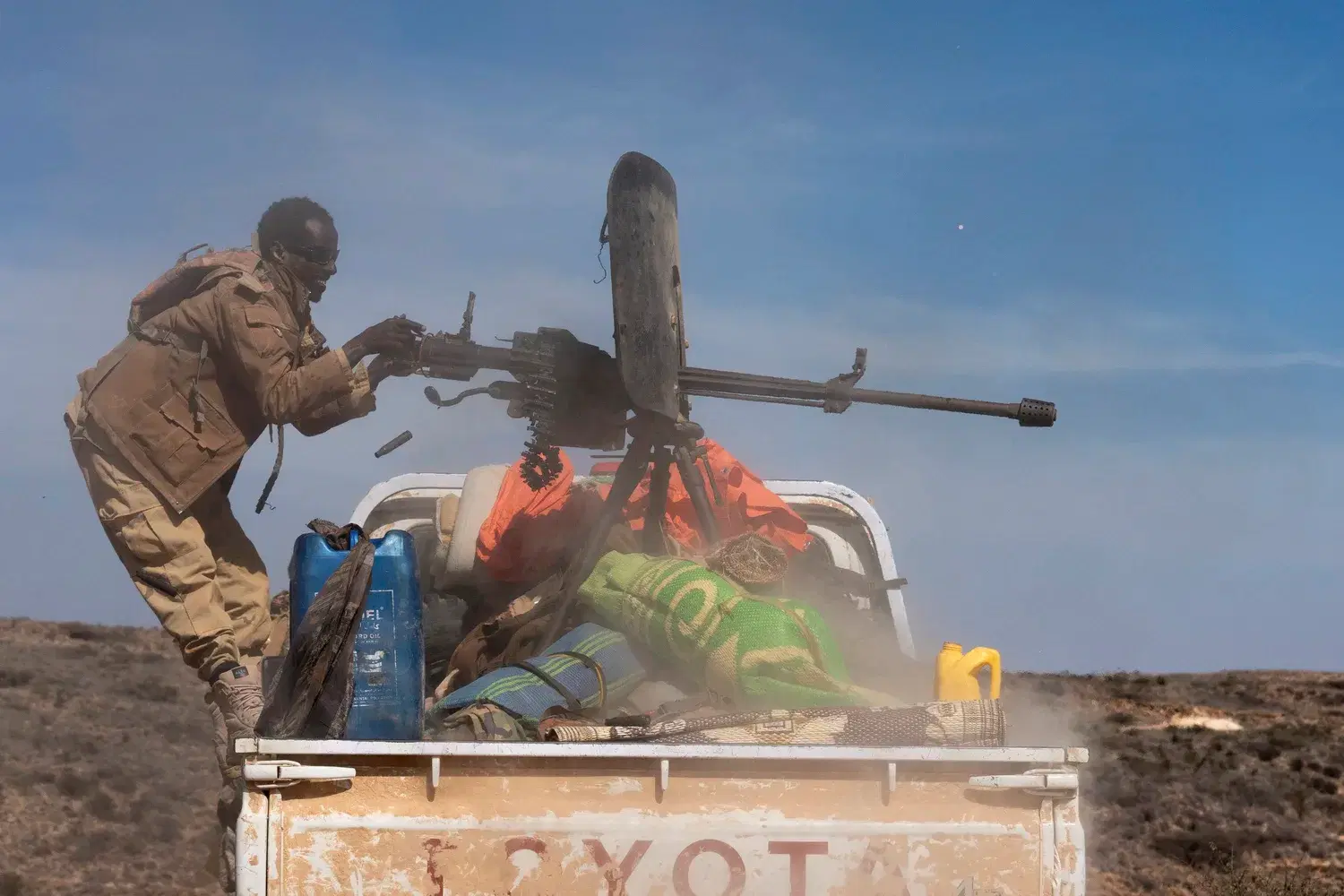
[00:00:04] In Somalia, we were driving to the front line in the Puntlands battle against ISIS. And we had to drive 150 kilometers per hour across the desert because if you run over an IED, you're less likely to get as injured if you're going really fast. And so we were going super fast. And when I'm in these places, I like to learn a bit more about the people.
[00:00:28] One of the ways I connect with people and with the place is asking about foods and music and just more human things. We had this very long drive and so I was talking to this commander about Somali music and musicians I should check out. And I asked him about that and he turned and he looked at me and he was like, Somali music? No. My music is bullets. And it was like, no, we don't listen to music. We listen to gunfire. And we all just erupted laughing.
[00:00:58] And I think that's the thing that maybe a lot of people don't realize is one of the best ways to handle these really dark, intense stories is humor. And there's a lot of humor. And we laughed a lot on that trip. It's weird to say that because it was also very dangerous. But yeah, it's moments like that kind of get you through.
[00:01:25] Greetings and welcome back to the show. As a photojournalist, you never quite know where a camera is going to take you. In one moment, you are on the front line in Somalia. You go to the war in Ukraine. You work in Afghanistan under the Taliban. You end up in a hospital yourself or next you're shopping for a suit with a UFC fighter and it's dead. I'm Tom Jacob and this is the Camera Cafe Show. Today, folks, we pick up our story with Caroline van Houten, right where we left off last week.
[00:01:54] And this time we get into what it's like to work in some of these places. The risks, the people she meets, the decisions she has to take with the camera in her hands and the stories that stay with her long after she leaves. We start in the Ukraine with the story of Matfi, a young boy who lost his mother and his left arm in a missile strike on their playground. From there, Caroline takes us back to Afghanistan where she photographed women living under the Taliban
[00:02:21] and had to navigate increasingly strict restrictions around photography. And on one of those later trips, things took a rather unexpected turn when Caroline herself became seriously ill and ended up in hospital. From there, we walk into a very different kind of assignment where she spent a week photographing the UFC fighters and their families for the Freedom 250 event at the White House this year. We talk about closing the chapter over time at the Washington Post and starting out as a freelancer,
[00:02:50] something she says she's still figuring out as she goes. And of course, we also have some lighter moments along the way, including the rather unexpected story of the bullet music in Somalia and the wonderful story of how to find love again at an old age, proving that hope and joy can exist in the darkness as well as in light. Grab a coffee, pull up a chair, and join me for part two of my conversation with the amazing Caroline van Houten. Next one, Caroline. The ballistic and the boy. Yes, Matfi.
[00:03:20] Ah, I was going to ask you how you pronounce his name. Matfi. Matfi. Yeah. Then this was April 2025? Yes. November. We were there in November. You were there in November, but when the missile struck in Ukraine. Oh, sorry. This was April. In April. Yes. So he lost his mother and he lost his left arm.
[00:03:44] And then you had all this investigation going on that there was some foreign parts also found in this ballistic missile. Talk me a bit about the story. Yeah, it was a team effort. Me, Lizzie Johnson, who's an amazing reporter, and then our absolutely amazing local producers and staff who are incredible journalists in Ukraine. So it was a big, I just, I also feel very, none of these stories is done in a vacuum. It's always a big, it's always a team. I just want to say that.
[00:04:13] But yes, so that story, basically, we found out that there were American-made parts from companies like Texas Instruments, who made my calculator in high school for my calculus class, right? Very well-known American companies. American companies' parts were ending up in Russian missiles killing Ukrainian kids. And this one was the biggest attack on children in the war.
[00:04:42] And it was also in Zelensky's hometown. And so I think it was a very important thing to cover, of course. But also, I think what our sort of hope was is like a lot of these stories about American-made parts in a Russian missile, it's very easy to be like, oh, that is unfortunate or whatever. But not humanize it, right? It's just like a very technical story about sanctions and whatever.
[00:05:11] And I think it was very important that people see the actual impact. And Matavi was, his mom died shielding him. And they had just gone to a little corner shop to get a candy bar and a coffee. And it was like, I think, 2 p.m. It was like middle of the afternoon. And that playground is right around the corner from where Matavi still lives. So he still has to walk by it every day when he goes home from school. And so it's very much part of their lives, right?
[00:05:38] It was just our way of telling the story of a missile through the eyes of a boy. And he was amazing. He was lovely. His parents were open. And I think that story also, it was important to show the childlike side of him and that huge heart of his because he has a huge heart. He named his remaining part of his arm Dragon? Oh, yes. The arm that he got from superhumans he calls Dragon.
[00:06:07] But his actual stump, he has a little stump on his arm. It's puffy and rounded at the end, of course, from where it was cut off. His friends call it marshmallow. So the stump is marshmallow and then the arm attachment is dragon. And he has a little dragon sticker on it. It's very cute. I went to a little soccer practice that he did in his hometown in a gym. And it was wild because it was getting dark.
[00:06:34] And there was a power outage because, obviously, in the war, a lot of the power stations are attacked. And so there's very limited power. And it comes on in sections. And sometimes it's just out. And so they had this dark gym, completely dark. Everyone just had flashlights, which, as a photographer, was incredible because it was storytelling and very visual. And he was running around and he didn't have his arm on because it's kind of a big bulky thing and you don't need it playing soccer. And some of his friends are a little weary of it.
[00:07:02] But one of his good friends with fist bump, his stump and fist bump marshmallow. And it was very cute. Yeah. I was going to ask you if there were moments that you almost saw him forget a bit what happened and you saw him as this little boy playing. Yeah, I would say I would definitely say during that soccer practice for sure. And then also the superhumans team was great. And they would play with him when he was in the hospital.
[00:07:29] He has to go very often because he's growing. So he needs a replacement or to be refitted for the arm every couple months. And it's mostly soldiers and adults in that place. And so there aren't very many kids. But the staff plays with him a lot. And one of the games he would play on the playground was called Catch the Missile. And they would throw something, kids would throw something in the air and you couldn't let it hit the ground. Because if it hit the ground, it was like a missile going off.
[00:07:59] And so I think the balloon photo gets at that idea of the playfulness, but also the weight of what these kids are growing up in. And how he was around the soldiers that are there. There were some interactions. He was very much with his dad because his dad was still trying to keep him going in school, which is a bit hard.
[00:08:25] But yeah, the soldiers that were there were lovely. And they have some volunteers who stay on. And they were amazing with trying to help him normalize what's happened to him a little bit and accept it. And also teach him how to find new ways to still be himself despite what happened. You keep a bit in contact, Carolyn?
[00:08:50] Yeah, on Instagram, a message with his sister, who in the pictures is much older. So some people get confused thinking it's his mom, but it's actually his sister who takes care of him. But yeah, we're still connected on Instagram and message back and forth a bit. He's doing great. Nice. Doing great considering the situation in Ukraine. I just want to say that context is important. Let's go to another part of the world for the next one.
[00:09:20] Afghanistan. Then you've been several times there. And I'm sure you saw some changes in all the years you went. Before we go there, let's talk about your last trip. You were there because you ended up becoming seriously ill yourself. I think you were working on a story for USAID healthcare or something like this. What happened, Carolyn? So I have been to Afghanistan three times.
[00:09:50] But every time was after the fall of Kabul and the Taliban takeover. I just want to be clear about that. But yes, every time there were quite a lot of changes in how open everything was. The last time I was there last summer, we were doing a story on IID funding cuts affecting healthcare access in rural Afghanistan. And we, you know, I'm immunocompromised. I have an autoimmune disease.
[00:10:20] And so I have to be quite careful in places like Afghanistan because if I get sick, I can get very sick. And so mostly what it is, it's normally fine. But mostly what it is trying to be careful about what I eat because that's a big source of infection in a place like Afghanistan. And normally we would go and we would go to our favorite bakery and we would get a really hot fresh bread, pretty safe thing. And then we would drive out and that would be my food for the day is that and some granola bars or whatever. And we leave.
[00:10:49] I eat my bread. We leave. And I start to not feel very good. And we're at the ministry, like the info ministry for the area. You have to get approval in each place from the Taliban to work in that community. And so we were getting that and I was getting very ill and I'm completely covered. My face is covered. You can only see my eyes and my hands. And I'm sitting and I can't speak and I can't make eye contact. I have to be very quiet.
[00:11:16] And thankfully, our local staff, we had worked together several times, of course, by that point over months. So he could tell I was not okay, even though all he could see were my eyes. He signaled at me to come out and I got very ill. And then I started hallucinating. And I thought that I was in Sudan again. My previous trip had been in Sudan and I hallucinated that I was in Sudan.
[00:11:41] My colleague, Rick, who's amazing, he thankfully realized something was very wrong. And we went to the hospital we were going to go report on. And I was, of course, delusionally, oh, let's get to work, barely conscious and completely not well, but still trying to do my job. And you cannot accuse me of not being stubborn. And yeah, and he sat me down and I thought I was going to start taking pictures. And he was like, we're going to take your blood pressure, actually.
[00:12:09] And it had plummeted to a very dangerous level and I was barely conscious. And they stabilized me, tried to get me back to Kabul. And I didn't make it but halfway. And then I was refused care in the hospital. On the halfway point, I was dying. I was very, I knew I was dying. And yeah, I just got very lucky that I survived that. Thankfully, because of Rick and our local staff, who I am not mentioning his name because he's still in Afghanistan. So I want to protect him.
[00:12:37] But the two of them really had my back. And yeah, it was a very scary situation. But I got through it. And yeah. So this was from eating bread, Carolyn? Yeah. We don't really know what happened. But the theory is there's a fungus that grows in wheat that's heat resistant. And so it didn't matter that it was baked and it can cause hallucinations.
[00:12:58] And I, what I had was hypovolemic shock, which basically means that I just didn't have enough blood volume to stay conscious. So my organs started shutting down. So, and then I would have been okay if I had gotten an IV in that second hospital. But we think because I was a woman, they refused to treat me and they put me behind a curtain and would not look at me. I just heard a lot of screaming and yelling and then I passed out.
[00:13:27] And eventually a doctor, we think it was a doctor. It's very unclear. I wasn't conscious. But they shoved an IV in without looking at me. They just did it from behind the curtain. Anyway, and then I got to a hospital in Kabul and then went to Dubai and was hospitalized in Dubai and then went home. How are you feeling? Very grateful. Fine. Oh, totally fine. Yeah. It is what it is. You recover and keep going.
[00:13:56] I was, I went to Ukraine after that. So it was like, that was in June. And then I, it took a little while. I had a blood infection and blood clots and stuff. So I had to recover for a little bit and then turned around and went to Ukraine. So I'm fine. You're fine because you're eating crab cakes. You must be fine. Yeah. Yeah. Everyone was like, do you not eat bread anymore? And I was like, no, there's, yeah, I eat bread.
[00:14:27] I don't recommend that diet plan though. It was a bad way to go on a diet. You want to talk shortly, Carolyn, about, because you did many projects in Afghanistan, but the one that is silenced Afghan woman under the Taliban. Mm-hmm. You want to talk shortly about this one? Sure. Yeah.
[00:14:50] I think there's been a lot of incredible coverage of women in Afghanistan, but I think what's really, there are a lot of obviously very difficult parts of working as a woman in Afghanistan. But there's also, it's such a unique place in that because I'm a woman, I have all of these restrictions, but also because I'm a woman, I get access to places that a lot of my male colleagues would not.
[00:15:15] And so in one instance, we had gone to, we were trying to do a story about how, like the intersection of climate change and women's rights issues. So a lot of times, like women were dying because they couldn't get, they weren't, basically the way in which women have to exist in Afghanistan meant that they were dying more from climate disasters than the men.
[00:15:42] And anyway, we went to this village that had been, had gone through a flash flood and a lot of people had died and a lot of the village had been wiped out. And we showed up, it was like mid morning and it was very odd because we had to cross the riverbed. A lot of obviously Afghanistan is very dry. And so the river that had flooded was now dry. So we walked across this massive, like washout of rocks and things across this valley to this village.
[00:16:10] All I could see were these little flashes of color coming through the sort of red rock tones of the walls of the village. And, and we walk up to the edge of the village and it turns out that our translator, local producer, he had me come with him because he also realized, like he realized what I realized, which was those flashes of color were women seeing what was going on. But there wasn't a man walking up to the front to greet us. Right.
[00:16:36] And, and so he had me come with him to the front because he can't speak to women without a woman present if there isn't a man for the other woman present too. So culturally. And so we, the two of us walked up and had this conversation and found out that the, all of the men in the village were gone. They had all gone to a wedding. So it was only women left in the village.
[00:16:56] And so the men in my group, the driver, the producer, translator, and the reporter, Rick, couldn't go in the village because there were no men to, so it was just me. And so then the women just grabbed my hand and drug me in the village and I just went off and it was just this amazing scene. And I felt so bad because it was incredible. It was like, it was just a beautiful moment. And all of the men were like stuck outside the gate.
[00:17:23] But it was also, I think that's the thing is it's really hard to watch what's happening there because the, the Afghan people are so warm and they're just beautiful people. And, and it's a beautiful country and it means a lot to me. I love that place, but it's also really brutal. And so, yeah, the complexities of that, it's hard to see, but yeah, but that was a very special, it was like one of the highlights of my entire career was that day. Yeah.
[00:17:52] And actually the, in, in that story, there's a photo with a woman wearing red and this mountain in the background. And it was from that scene. Because I suppose you also have to almost constantly assess if it is safe to make a picture, no? Yes. Yes. Of course. How difficult it is to keep your camera always hidden until you think that the moment is safe enough. It's very hard. So that had changed over the three times that I was there.
[00:18:22] So the first time it was a bit more open and we were able to move around a bit more. We could be not, you're not walking around on the streets of Kabul with your camera on your shoulder, but like taking street photos, like that's not something that would have been safe to do. But we could work.
[00:18:59] But we could work-ish. And then it became a lot more complicated. Yeah. Do you think that if you get restrictions like this, Caroline, it also maybe makes you in a way even more creative to take them? Sure. Yeah. I think that's true.
[00:19:23] I think, for example, like the coverage of police, the police abuse project that we previously spoke about in some ways prepared me like for this as well. And that thinking about how you're photographing someone, thinking about where that photograph is going to end up, how you approach a situation and the power dynamics there are different, but it still requires the same sort of thought process.
[00:19:49] And yeah, and I think a lot of the work that I get hired for is that kind of work where you think about, it's not just the photography itself, but this larger context of the power dynamics and the trauma and how you are interacting with and navigating the risks around who you're photographing and all of that. Yeah. Yeah. Now, Caroline, you are now this amazing freelance photojournalist and one of…
[00:20:19] Trying. Well, no, because the project I want to talk about, the last one, is one that I know of your most recent ones, the one that you were in Washington with the UFC fighters leading up to the Freedom 250. So you were there with them for a week with their kids, you had meals with them, you went to the supermarket with them. How did this assignment come about?
[00:20:48] So a long time ago, I actually over many years, I went to Eddie Adams' workshop as a student and then I was black team for a while before the pandemic. And I met a photo editor at ESPN there and we were just friends and hanging out, had good conversations, but I was staff and whatnot. So I didn't think too much about it. Fast forward many years, I went freelance and ahead of the UFC, I got an email from one of his colleagues saying that he had recommended me for this story.
[00:21:14] And I, other than the Buzgashi in Afghanistan and Eskata Musa, basically, other than sports involving horses, I hadn't photographed a lot of sports in a long time. I had done that as an intern in Indiana and Tampa and all that, but not really since I was staff. And so I was a little bit surprised. Why? ESPN is not maybe the most… It was a bit of a surprise, right? But it made a lot more sense when he told me what the story was, which was basically the behind the scenes.
[00:21:44] It was the motivation. And I love those kinds of stories where it's like, it's about one thing, but it's really about something else. And of course, that UFC event was huge news in the U.S. It was pretty big abroad as well. So what ESPN wanted was basically to go behind the scenes. And there was all this political theater and things happening around the event, right? But then there were still also these human beings who were going to fight in front of the president and the world.
[00:22:12] This historic stage on the White House lawn, what is that like for them? And yeah, it was amazing. They were fantastic. We didn't go with all of them, but I think it was like nine of the 14, I want to say, I photographed. I'd have to count, but most of them. And we did everything from one of them was very into, had been doing a lot of like sports psychology therapy. And he would do these journaling, these gratitude journaling sessions.
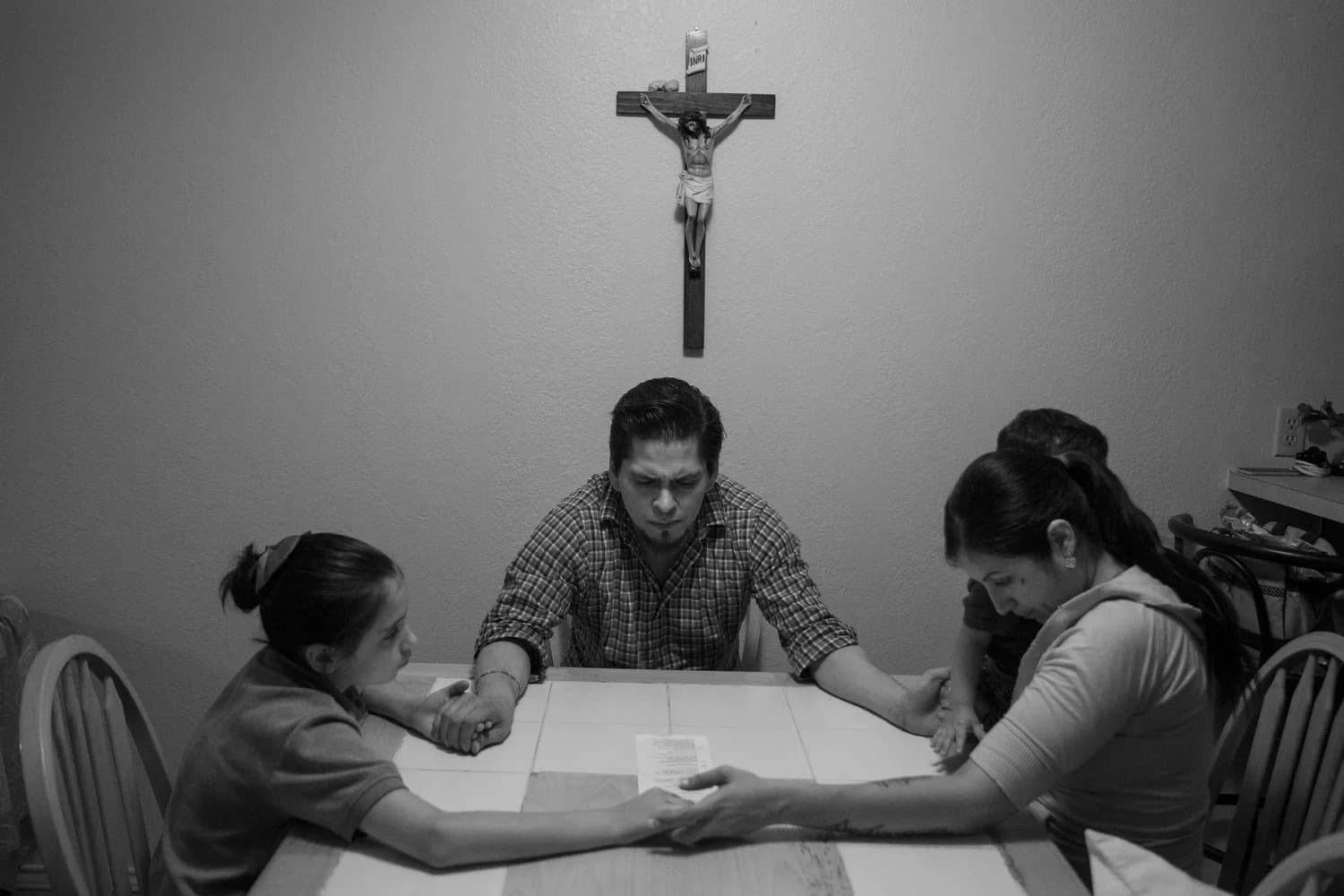
[00:22:40] And he let me be there when he was gratitude journaling, which as a fighter is a very vulnerable thing to share with the world. And then other ones, it was like Mike welcomed his kids who were going to come and his wife. And so he let me be there when they reunited at the hotel before the fight. For one, his wife is a hairdresser. She's like an artist in her own right. And she, he has this very iconic hair. It's very much a part of his brand.
[00:23:08] And, and she does his hair for the fights. And so they let me be there when she was doing his hair for the press conference ahead. Another one, it was like going shopping for his suit with his, with his dad and his, to also help him train. Yeah. So all of these like really intimate moments. And then of course, also for training and things like that. So yeah, it was a lot of, it was basically like seeing the UFC fighter community as its own little community.
[00:23:37] And then just basically doing community journalism just on this national story is essentially what it was. I will say one thing is when you meet fighters' kids and you meet their wives and you spend time with them in these very quiet moments. And you see the softer, more nuanced side of some of these guys. And to then see them go on stage on this, in this cage and try and kill each other was really something.
[00:24:07] Yeah. I'm not used to getting access and connecting with people and then seeing them within a soldier, which I think also was part of why it was a good fit because covered a lot of conflict. So it's just a different version. But not a sports photographer, Caroline. No, no. But it's not, the idea is the same, right? It's still a story.
[00:24:30] And the action, I actually thought a lot about the work I did in Somalia on the front line against ISIS during that shoot because the mentality and the humor and kind of way they get into these head spaces before they go into battle was actually, there were a lot of parallels. So yeah. And you had any restrictions or security challenges working there around the White House?
[00:25:01] I've covered the White House for years. I photographed Obama, Trump, both of Trump's stints in the White House and Biden. So I was pretty used to the White House security and Secret Service and things like that. I will say that there was a mistake on my badge. And so right before the fight, there was a moment where the Secret Service had another security. They were like, it was like extra Secret Service. And so not everyone was the same people that we normally interact with.
[00:25:29] And they thought that I wasn't supposed to be on the ringside. And so there was a moment where I thought right before the fight, I was going to lose my access. But thankfully, it all got worked out and was fine. But for a moment, I was like, oh, no. But anyway, but yes, I have spent a lot of time around the White House. So it was not anything too surprising. But it's very restrictive. We were all squished together on a kneeling bench, like a church pew sort of situation. And we were all kneeling there.
[00:25:57] And we couldn't leave our spot until we were escorted to another one location we were allowed to be. And then we had to be escorted back. And that was it. Yeah. But one of the amazing things was being on the same bench as three other photographers and then seeing all four of us get completely different takes. And I think that was really cool. Mm-hmm. You enjoyed it? Yeah. You enjoyed the assignment? Oh, I loved it. Yeah. Yeah.
[00:26:22] Storytelling and getting to dig into this world that I otherwise wouldn't have seen. It's really special. Mm-hmm. Wonderful. Wonderful. And I'm sure you're working now on some amazing projects, which, of course, we can now discuss. So you will have to come back next year, Carolyn. You are also like a very sensitive person.
[00:26:45] If you spend this huge amount of getting to know people and eventually comes the moment that you have to leave, how difficult is for you that moment to say goodbye? Yeah. Of course it's hard. And I try and stay in touch with as many as I can. But obviously, when you're in this career for as long as I have been, that is very hard.
[00:27:09] But I try and I hope that the impact I had was a positive one, or at least at the very least neutral, but hopefully positive. And I think I always carry what the gifts that people have given me, I carry them everywhere, right? And I think that it's one of the true blessings of this work is you get to learn.
[00:27:35] Not only do you get to see so much of the world and things like that, but you also learn so much from the people who you meet and the life lessons that you get from them. And the perspective is really important. And I think one of the things that I learned is a lot of the hard things that have happened in my life and all of the losses that I have experienced have given me gifts, too.
[00:27:58] And I think what is great about this work is we get to take these really brutal things, sometimes beautiful, but oftentimes brutal things about the world and turn them into connection and understanding, ideally. And that's a gift. And now your amazing new freelance career. How are you finding this new chapter in your life so far, Carolyn? Yeah, kind of a wild ride.
[00:28:27] I had only done a handful of freelance assignments during my internships in college and after college. I really did not know how to freelance at all. But thankfully, obviously, a lot of my friends were freelancers. And I think what's really beautiful about the photojournalism community, especially in D.C., is that even though technically we're all theoretically competing for assignments, we're all very supportive of each other. And I think a lot of the work I got at the very beginning was actually from other photographers.
[00:28:54] And yeah, and I also had a lot of friends in the industry who were editors and things like that. And I felt very lucky that I got to know them as just as friends and not needing anything from them. So it was very weird to go to New York and be like, hi, guys. I know we're friends, but also please work with me. I don't love that. You probably can tell I don't really love talking about myself. Yeah, that part of it is very hard. But getting to do the work and getting to collaborate with new people is great.
[00:29:24] And like the ESPN thing, for example, what an incredible experience. And I could not have been more supported. And they ran 50 pictures or something crazy. But it was just that kind of thing is new experience. And I feel very lucky for that. So yeah, it's a learning curve. I think if you just try and be resilient, it's all you can do. And stubborn. I'm thinking I'm going to put this in the title of this episode. Stubborn somewhere. Oh, no. Oh, no.
[00:29:55] Oh, dear. So you spent years dropping into the most crazy situations working. What's the funniest situation you ever found yourself in that has nothing to do with photography? Oh, gosh. Funniest thing. I feel like, I don't know that this is the funniest thing. But this is the thing that's coming to mind that was pretty wild.
[00:30:25] In Somalia, so we were driving to the front line in the mountains in the Puntland, Puntland's battle against ISIS in the mountains. And we had to drive 150 kilometers per hour across the desert because if you run over an IED, you're less likely to get as injured if you're going really fast. And so we were going super fast. And I, when I'm in these places, I like to learn a bit more about the people.
[00:30:53] One of the ways I connect with people and with the place is asking about what foods and music and just more human things. And we had this very long drive. And so I was talking to this commander about Somali music and musicians I should check out. And I just remember I asked him about that. And he turned and he looked at me and he was like, Somali music? No. My music is bullets. And it was like, no, we don't listen to music. We listen to gunfire.
[00:31:23] And we all just erupted laughing. And I think that's the thing that maybe people don't realize. Maybe some people do, but a lot of people don't realize is one of the best ways to handle these really dark, intense stories is humor. And there's a lot of humor. And we left a lot on that trip. It's weird to say that because it was also very dangerous. And after we left, a lot of the guys we hung out with, unfortunately, were later killed. But not him, thankfully.
[00:31:52] But yeah, it's moments like that kind of get you through. Yeah. But then to end our talk, Carolyn, you photographed a beautiful story. I saw it on your Instagram. Jack and Sylvia. Oh, yes. They're partners and they found love again at 90 and 85. Mm-hmm. And you wrote that their story reminded that hope and joy exists in darkness as in light.
[00:32:21] And everything you experience now through your photography, Carolyn, it changed the way you think about love? Yeah, I think so. I think their story is, they're amazing and inspirational. My, my, they reminded me a bit of my grandparents who are gone now, but my grandparents had lived all over the world and they spoke four languages and they had this very global life that I think helped show me that that was possible.
[00:32:50] And they were, they died shortly before their 74th wedding anniversary. And so a lot of Jack and Sylvia's love story kind of reminded me of that. And also that I think what they did is show that grief is a huge part of connection. Carolyn, thank you so much for taking the time and come to talk with me today. I really enjoyed our conversation.
[00:33:20] It was a bit dark and emotional at times, but I think we covered quite a journey today. It's been a real pleasure getting to know you, finally meet you, and to hear all the stories about this amazing work you did and you're doing now today still. I hope it's not the last time we talk and we can have a coffee, a real coffee somewhere soon. I hope so too.
[00:33:45] It was lovely speaking with you and I appreciate your thoughtful approach and questions on all of your podcasts. We will see. Are you going to the Wildlife Photographer of the Year? Yes. And Sienna also, the Sienna Awards. Yeah. Okay. So we might catch up there and have a coffee. Sounds great. Can have a nice evening still. And I see you around. Take very good care, okay? Yes, you too. Bye. Bye.
[00:34:14] And that's it up, folks, for my conversation with Carolyn van Hout. Looking back at Carolyn's stories going from the US to Afghanistan to Antarctica, there's one thing that seems to run through all of them. You never quite know where photography is going to take you or who you're going to meet along the way. Sometimes the stories are incredibly difficult. Sometimes they're surprisingly funny. And sometimes they remind you that there can be still hope and joy in the middle of everything else.
[00:34:42] And perhaps that's where a bit of stubbornness, persistence, luck and a bit of humor comes in handy too. Because when you're working your way in the war zone, figuring out how to work freelance or simply trying to follow where your camera takes you next, you have to keep moving and believing in yourself. Carolyn, thank you so much for coming on the show and for sharing so many of your stories with us. As for all of you, you can find more about Carolyn and our work, of course, back in our show notes.
[00:35:09] People, if you enjoyed this conversation, don't forget to follow, leave us a review or share the episode with someone who loves photography and a good story. Until next time, keep shooting and keep on moving your own photography. I see you next week here for another great conversation about photography and life. Adios!