

What happens to a place long after a nuclear test is over?
In this episode of The Camera Café Show, we sit down with Indian documentary photographer and National Geographic Explorer Chinky Shukla, whose work explores the human stories behind nuclear history in India.
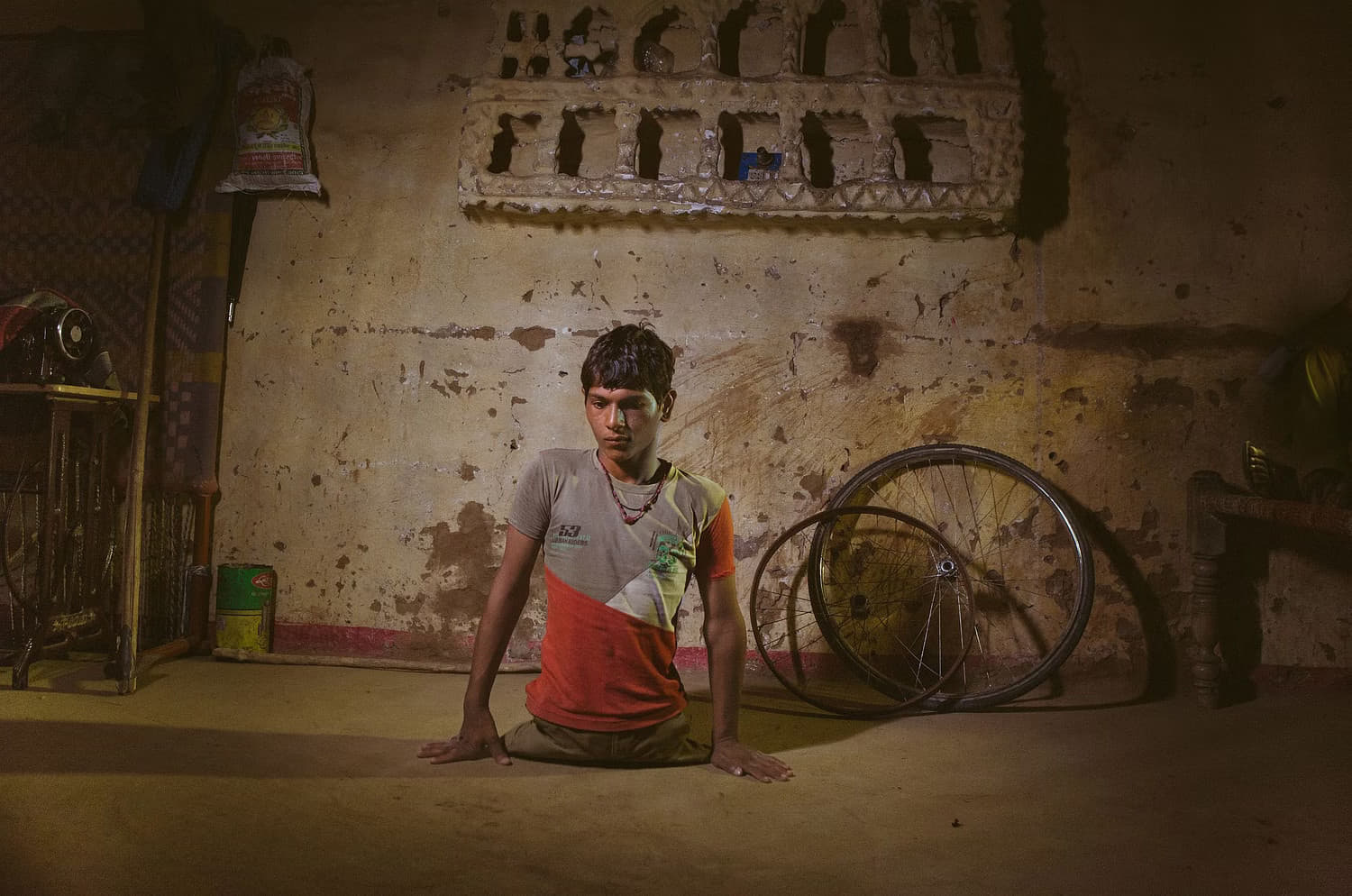
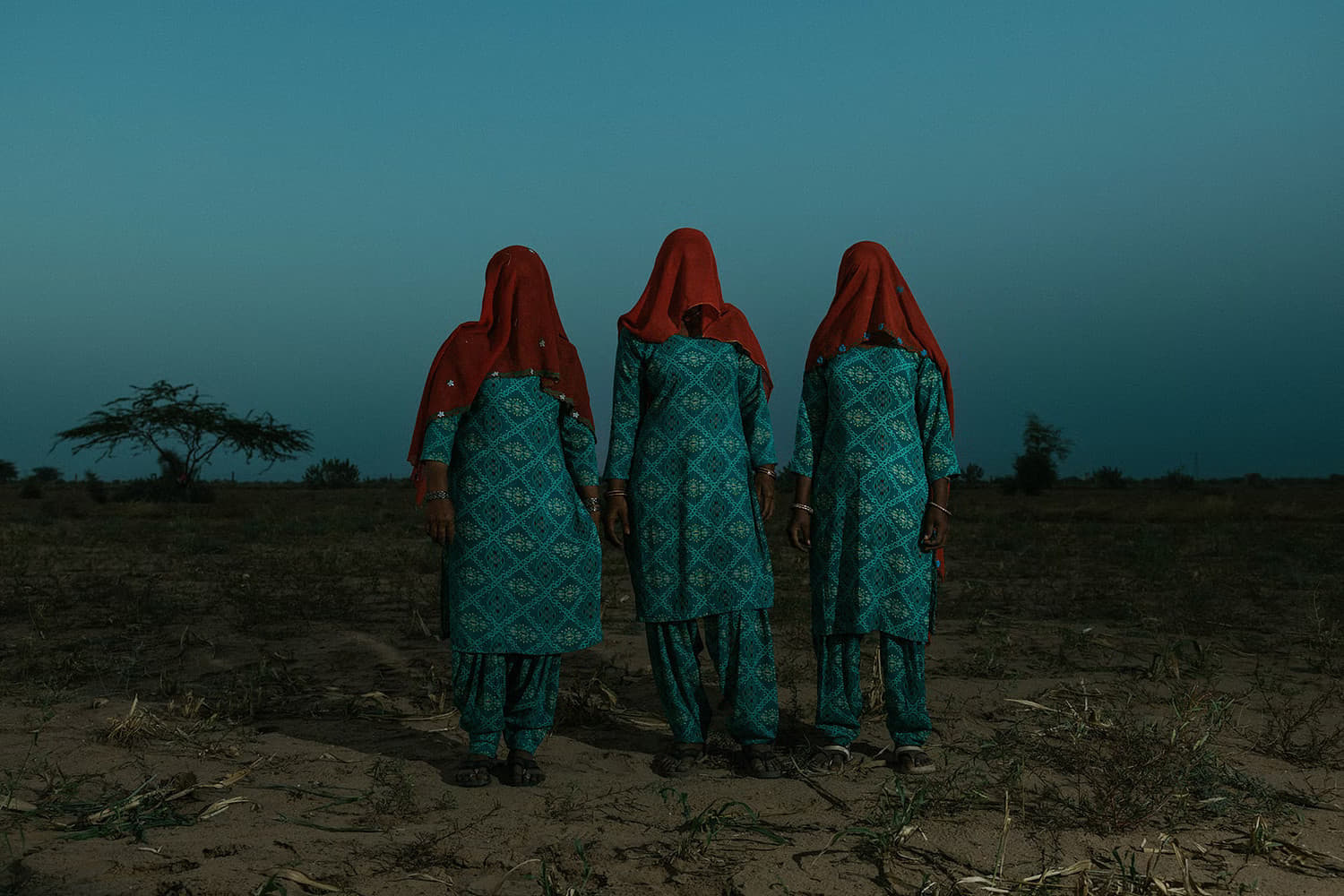
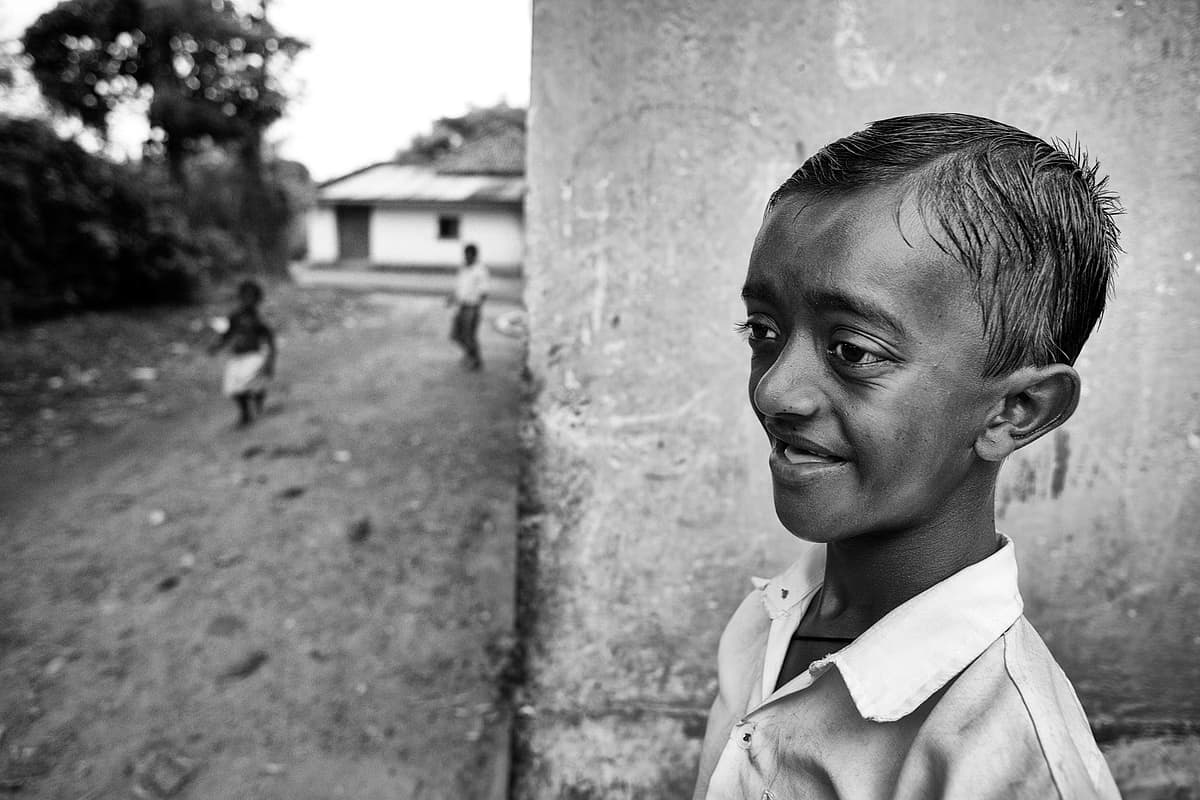
Through her long-term projects in Jadugoda and Pokhran, Chinky documents communities living close to uranium mining operations and nuclear test sites — places where the consequences of these events continue to shape everyday life decades later.
During our conversation, Chinky shares how she first arrived in these regions without knowing anyone, how she slowly built trust with families living there, and why she chose to pursue a slower, long-term approach to documentary storytelling.
We also talk about her journey into photography — growing up in Delhi, discovering the camera through her father, and how photography became a way for her to connect with people and tell stories that often remain invisible to the outside world.
And while the issues she documents are serious, there are also moments of resilience and hope. In Pokhran, Chinky began teaching photography to local children, encouraging them to document their own surroundings and experiences — giving the next generation the tools to tell their own stories.
We even end up talking about train travel across India, cooking, and the small everyday moments that remind us that even in the most serious stories, life — and sometimes laughter — continues.
So grab a coffee and join us for this conversation with Chinky Shukla.
*****
📸 See more of Chinky's work:
*****
🎧 Got any questions? Email us
Thanks for listening and look out for our next episode! 🚀