

Style is easy to imitate. Voice is something else entirely.
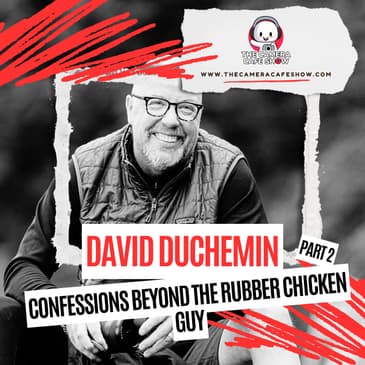
In this second part of my conversation with David duChemin, we move beyond cameras and technique and into something much more personal — creativity, artistic identity, fear, comparison, and the challenge of making work that actually feels honest in a world constantly pulling creatives toward imitation.
David shares his thoughts on the difference between style and voice, why social media has changed the way many photographers see themselves, and how easy it can become to slowly lose sight of what originally made photography exciting in the first place.
We also talk about wildlife photography, curiosity, inspiration, creative burnout, and the pressure many artists feel to constantly produce work that fits trends, algorithms, or expectations rather than personal vision.
But what makes this conversation special is that it never becomes heavy or overly serious. Along the way there are still plenty of laughs, unexpected stories, reflections about life, and moments that feel more like two people talking over pizza and wine than a traditional photography interview.
At its core, this episode becomes a conversation about trust — trusting your curiosity, your experiences, your instincts, and slowly learning that finding your own voice may matter far more than trying to sound like everyone else.
So grab a coffee and join me for part two of this conversation with David duChemin.
*****
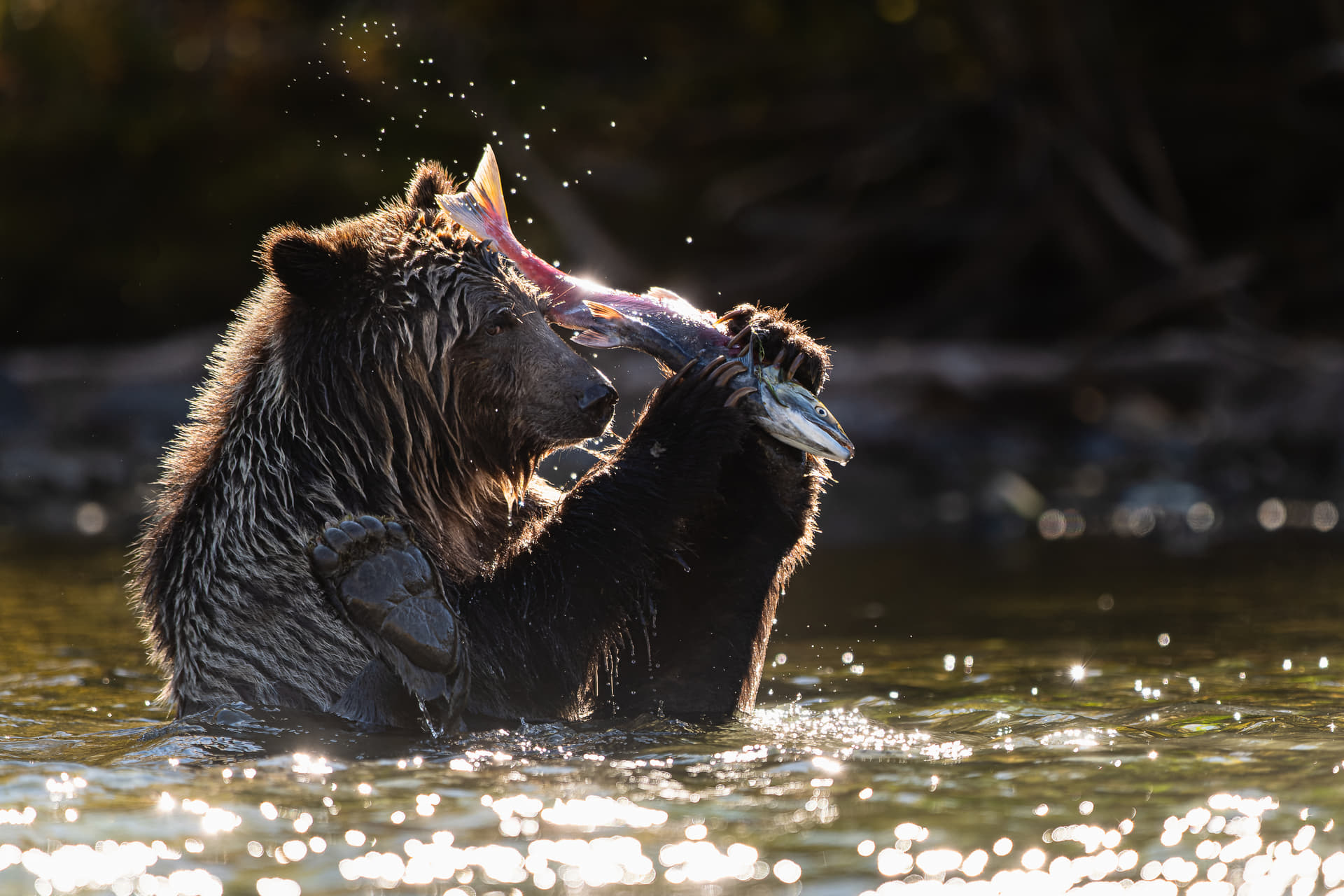
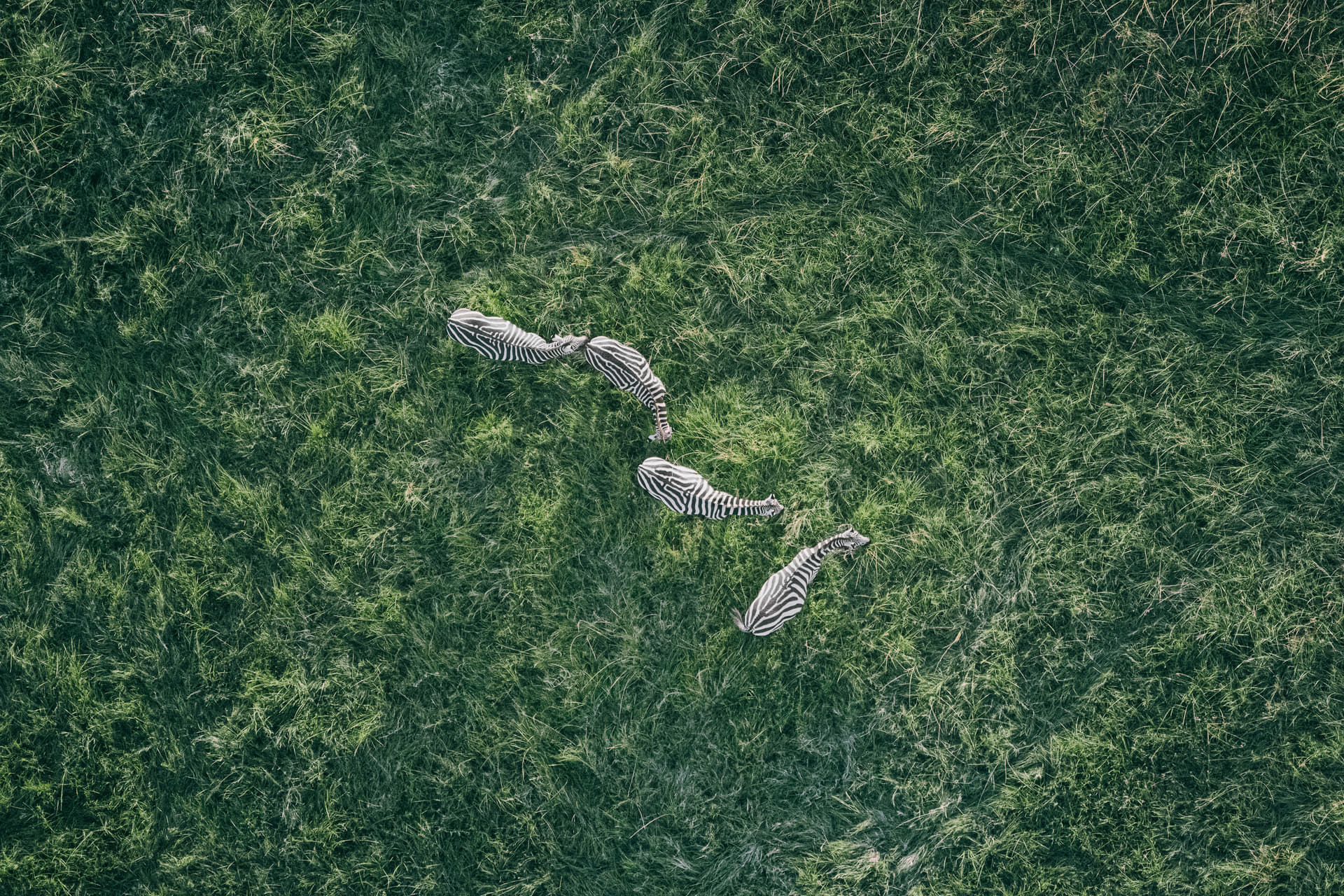
📸 See more of David’s photography, books, workshops, and writing:
https://davidduchemin.com/
*****
🎧 Got any questions? Email us
Thanks for listening and look out for our next episode! 🚀
[00:00:04] David Dixon, Ph.D.: Art is not made for it to be liked. It is made to be listened to. It's made to be responded to and experienced. But it's not a popularity contest. And so those of us that if you are measuring how good you think you are by how many likes you have, it's the wrong instrument to measure. You're measuring the temperature in the room with a speedometer. It's the wrong instrument measuring in the wrong units. It's completely irrelevant.
[00:00:33] And we need to wrap our heads around that. And don't get me wrong. I like putting my work into the world and knowing that someone has seen it and resonated with it in some way. But that's all I know. I don't know why they resonated with it. Maybe when they click like all they're doing, they might just be a friend. It could be my mother. And all she's doing is saying, I see that I see that you posted it and letting me know she's seen it. She may not think it's worth anything. I think we need to let that go. The only thing that matters is, do you think it's worth anything?
[00:01:03] Think it's worth something? Does it feel increasingly like you? Does it give you meaning? And does it push you to the next phase? Is it does it represent a risk that you took? Look, it may not be the best photograph in the world, but it might represent a step forward for you. And that makes it good. That makes it that makes it a stepping stone for the next thing you make.
[00:01:34] Greetings and welcome back to the show. How do you stay true to your own voice in a world constantly trying to shape it for you? Because somewhere between social media, comparison, algorithms, trends, and the pressure to constantly create, it's easy to slowly lose sight of what actually you want to say in the first place. As usual, I'm Tom Jacob, and this is The Camera Café Show.
[00:01:57] Now, folks, before we dive in, if you haven't listened to part one of my conversation with David Duchemin yet, I really recommend going back and starting there first. It gives you the full picture of how this unusual story unfolds. Because today, we continue right where we left off. In this second part, we go deeper into creativity, artistic identity, fear, social media, and the challenge of making work that feels honest in a world constantly asking you to imitate everyone else.
[00:02:24] We also talk about wildlife photography, finding your inspiration again, the difference between style and voice, and why curiosity may still be one of the most important things a creative person can hold on to. And just like in part one, there are still plenty of flaws, of course, unexpected turns, and moments that feel more like two people talking over pizza and wine about the amazing things life can bring than a photography interview. Grab a coffee and enjoy part two of my conversation with David Duchemin.
[00:02:53] I don't have any gear question for you today, David, because I like talking about the other side of photography. What's in our brain? What's it doing there? You get sometimes emails from people that, you know, this voice that we try to find, that they mistake it for style, like it's something like presets or colors, that it's actually something much deeper. Mm-hmm.
[00:03:18] I do, and I think most sensitive photographers are, they have an awareness that they need their work to stand out. And I applaud that, and I think that's really important. I think it's just a question of how we do that. And for the record, I love talking about the gear, but I like talking about the gear as a tool for the creative process. I have three Sony A1s, a 7R Mark IV or a 7R IV. I don't know.
[00:03:47] The Sony names get me confused. I've got some really good gear, and I've got too many lenses, but I'm only excited about them because they can allow me to make a photograph that another piece of gear would not allow me to do. And that ties into the idea of voice because there are some pieces of gear that I really resonate with.
[00:04:10] I love, if I could use my 16 to 35 millimeter lens on every photograph I made, if I could, and use it the way I want to use it, which is to get really close to my subject so that the photograph feels immersive, so that you feel the presence of these incredible animals. And I would be thrilled to use that piece of gear where there are other photographers who have their own look and feel and voice. Where I distinguish it from a style, voice as opposed to style.
[00:04:40] Style is a very fleeting thing. It's very fashionable. It's trendy. Styles are in, styles are out. Voice is not in or out. Voice is you or it's not. And so I think it's really important to find your voice and that you own it. It will change. It will evolve. Not to compare myself to Picasso, because I'm not. But Picasso very clearly evolved as a painter. Whether you like him or not is not the point.
[00:05:10] He found his voice and continued still to evolve. And you will not mistake a photograph or a photograph, a painting from one period of his career for something much earlier on. In fact, some of his very early sketches and his early work is quite lifelike. Very different from his Cubist stuff and his Guernica painting, for example. And forgive me, I know I'm not pronouncing that correctly. But he had a voice.
[00:05:37] He knew who he was and he wasn't afraid to explore that and take it further. It was not trendy. It was not style. It was voice. Style is when you go, you know what? I don't really have a lot to say. So I'm going to slap a preset on this. And yes, it will look better. But you know what? It's also going to look like the Instagram feed of 300 other photographers. It's going to look right now. It's very trendy.
[00:06:04] I should have this sort of suppressed blacks and a matte look. I want to do certain things with colors. The trends will come and go. And I think we should explore them. I think we should see if there's anything in there worth using. But if it just becomes a me too, oh, that looks good. I'm going to do that. And it doesn't reflect you. It just reflects the style of the day or the trend. I would argue that we can probably do better. And so I'm, yeah, I'm big on voice.
[00:06:34] But I'm not really that impressed with the idea of style because it's, and I may be splitting hairs. That's fine. I'm a writer. That's what I do. I split hairs. But I can tell there are some photographers that I can go on their Instagram feed as an example. And I immediately recognize without seeing a photo credit. I'm like, that's this person. And others, I immediately see it and go, that could be 300 other people because it looks the same.
[00:07:01] I want to be, and it's a thing that I strive for, not something that I think that I've necessarily achieved in full. I want to be the one of, among the photographers that you would see it and go, I bet you that's David's. That feels like something, a story that David would tell in the way that, that David would tell it. That's what I want. Not so much a, that's very, that, that looks like this preset. Because at some point we're all going to recognize it.
[00:07:30] Ah, that's, we're going to look back like HDR was 10 years ago. We're going to look back at these, some of these presets and we're going to go, what were we thinking? Don't get me wrong. I have my moments of playing with things and I look back and I go, man, I was really heavy handed with the clarity slider, the vignette, the name it. We've all abused certain tools. That's part of growth. That's part of learning. You have to push it too far.
[00:07:58] But in order to find your voice, I think you need to abandon, you have to figure out what fits you and what does not. But even if it fits 300 other photographers, they like it, it's theirs. If it's not you, again, I'm not, I'm not looking to make a good photograph. I'm looking for it to make a photograph that's mine. And that's everything I teach. I'm really interested in, not in people. How can I make a good photograph? Because that's a moving target. Who's to define what's good? No one.
[00:08:27] But can you put a handle on what makes a photograph yours? That's a target that you can hit. That's a target that you can meaningfully pursue. Because whether you've succeeded or not, your gut will tell you. Maybe not immediately. Sometimes you've got to sit on it for a while. But over time, you will get to know what is you and what is not. But it's not easy. It's a messy process. But it's well worth abandoning.
[00:08:57] Leave the presets alone for now. If you're going to use them as learning tools, figure out why they look the way they do these certain images. Figure out what you like, what you don't. And then combine them with all the other things you like and make something that is truly yours. Not an imitation of someone else or anything that you can click with. If you can make your art with one click of a button, I'm not really convinced you're putting yourself into it.
[00:09:26] Again, that may be an unpopular opinion, but it feels right anyway. And then, of course, David, you cannot please everybody. No, you have to. You have to make what you do. I can't even please myself half the time. Exactly. To try to please everyone is to please no one at all.
[00:09:46] And so the only one I make my work for, you have to make it entirely for you and then hope that your work attracts the audience that resonates with it and on some level repels everyone else. Most of the world is not going to understand your work. They're not going to like your work. They're not going to resonate with it or find something of value in it. It doesn't have to. It has to resonate with you first and then the people that like it. Look, not everyone likes Picasso.
[00:10:13] Not everyone likes Monet or Prince or U2. Art is not made for it to be liked. It is made to be listened to. It's made to be responded to and experienced. But it's not a popularity contest. And so those of us that if you are measuring how good you think you are by how many likes you have, it's the wrong instrument to measure. You're measuring the temperature in the room with a speedometer.
[00:10:43] It's the wrong instrument measuring in the wrong units. It's completely irrelevant. And we need to wrap our heads around that. Don't get me wrong. I like putting my work into the world and knowing that someone has seen it and resonated with it in some way. But that's all I know. I don't know why they resonated with it. Maybe when they click like, all they're doing, they might just be a friend. It could be my mother. And all she's doing is saying, I see that you posted it and letting me know she's seen it.
[00:11:10] But she may not think it's worth anything. I think we need to let that go. The only thing that matters is, do you think it's worth something? Does it feel increasingly like you? Does it give you meaning? And does it push you to the next phase? Does it represent a risk that you took? Look, it may not be the best photograph in the world, but it might represent a step forward for you. And that makes it good. That makes it for you.
[00:11:40] That makes it a stepping stone for the next thing you make. And most of our art is that in 20 years, you're not going to look back at that one image you make today and go, this is the best thing I've ever made. 20 years from now, that will not be your assessment. 20 years from now, you will recognize it only as a stepping stone to better work and better work. The point is the process, not the product. And on some level, the point is, who are you becoming? Not who, what is your work becoming? Who are you becoming as an artist? That's where it all begins.
[00:12:10] And that's where it all ends. What I like about you also, David, is that you're not afraid, if we talk about Instagram, to show, I see the feed coming up. I love your wildlife photography. And then suddenly, your next post is of you sitting at the campfire eating some dinner, which in itself is also a great picture. But I love that I can see the David behind it.
[00:12:37] And it's just, it's a whole package that you make. I think you also went out from social media for some time you had to break. But I think it's a nice way you're putting it together. Yeah. Thank you. I think that comes, I left social media for three years and I was very happy. Thank you very much. I was, I was really happy not being on social media. I only came back because I missed the connection.
[00:13:04] I missed the little micro connections with people that I do know, that I travel with, other photographers where I can, I want to have impact. That's what I want with my life. I want to have some kind of impact. I want to encourage people to create art that is truly their own. I want to encourage them to be creative in the ways that make sense to them. I want to encourage them to live their life while they still have a life to live.
[00:13:29] So Instagram gives me a little way of doing that and a little way of connecting, but it is only a small part of that. But I do think the bigger story is I like sharing my adventures. I like sharing my travels. You will never see the picture of me in my private jet because the one, I don't have a private jet. And two, I don't want, I don't want my Instagram is so full of posts that I think their primary objective is to make people jealous.
[00:14:00] And it's a look at me. I don't want my feed to be a look at me. I want it to be more like not a mirror, but I want people to see the possibility for their own adventures. I'm just a guy who wrote some books and take some pictures. But it's worked out despite all the challenges or maybe because of all the challenges, it's worked out quite well for me. And I want other people to have that courage to live their life while they have the chance because it's going to be over so quick. It really is. So anyway, I appreciate you saying that.
[00:14:29] Socials, I have a very love-hate relationship with social. I could go off on the million reasons why I don't like it, why I shouldn't be on it, why none of us should be on it. I think, quite frankly, it's bad for the world. But there is a way of using it for good. And for the time being, I will continue to post sporadically to Instagram. Okay. For the time being. For what? Until I leave again.
[00:14:57] David, writing books, weekly newsletter, you did a podcast also. You were on YouTube. You teach workshops. How do you find time to go out still with your wife for a lovely dinner? We're lucky because we live on Vancouver Island in a very small town that has virtually no restaurant options. So usually when I go out for dinner with my wife, it's usually at a nice safari camp after my guests have left. My workshops are over.
[00:15:28] We travel together. My mother, she is very instrumental in helping me with the trips that I run and my work. But we've made intentional choices that other people would not and have not made. We have no children. We have no pets. So there are fewer responsibilities in that way. We both have very small families. And increasingly, I mean, really, my mother is the only one left. So we have a freedom and a privilege that other people don't have.
[00:15:59] But I'm also very focused. I don't make a lot of... People say time is money. Time is far more valuable than money. Far more valuable. You can make more money. You can't make more time. You can get a loan and get more money if you need to. You can't get a loan on time. So I'm very careful with my time. I'm very careful. I'm not neurotic about it. Neurotic about a lot of things. But not about my time. I'm just very controlled about it because I know that we all only have 24 hours in a day.
[00:16:29] And so I have learned how I work best. I've disciplined myself. I sit and I write a lot. And look, you don't have to sit and write for eight hours a day for a whole month. You can write for 30 minutes a day for a whole year and still come up with a much bigger body of work. I'm just consistent. I just show up, just like going to the gym, going to the dentist. I just show up when I need to show up. I do the thing I need to do.
[00:16:57] And when I look back, I'm like, oh my gosh. Yeah, 80 episodes on a podcast. I'm not doing the podcast now, but those episodes are, they exist as a, I think as a body of work that I think is valuable. And I look back with pride. And the books, I, I, every time I finish a book, I still go, I guess that's the last one. I've got nothing left to say. And then a year later, my publisher is saying, so tell me about this new book that you want to do.
[00:17:23] I'm like, I don't know where the idea, I've actually been on calls with my publisher telling them that I didn't have any more book ideas. But if I did write another book, it might look a little, and then I explain it. And by the end of the call, they're like, should we send you the contract? And I think we all have this capacity. It's just me, again, it goes back to that. It's not that life is short. It's just that we waste so much of it. I try to waste as little as possible. But I also acknowledge that when you don't have an eight-year-old, that you have to run to the soccer game.
[00:17:52] When you don't have to, all of those responsibilities, there is, it is easier for me to assign these blocks of time and to live the life I want. I, there are, it does, there's an incredible privilege that I have because of these choices. And one day I will be lonely and old and I will have no one to take care of me. And all these people that said, what are you going to do when you're old and have no one to take care of you? I guess we'll find out then.
[00:18:21] But for now, I, for now I write my books. I make my photographs and I try to contribute to the world in a way that I think, you know, when I go, when I live my life, I don't think my photographs will be. Maybe, that's not how I will leave my legacy, but I hope that there's something valuable in what I write, that it will at least maybe feed a generation or two of creative people. I hope there's something there and that's enough for me.
[00:18:48] That's, that impact I think is significant or I hope it is. That's what I strive for. I was going to say your books are sure going to be your legacy, David. You think writing, it makes you better, it improves your photography, your own photography? I think it does. And I think my photography improves my writing. Every creative process is very similar. They all have their differences.
[00:19:17] But writing has helped me because photographers have this funny thing where we go out with our camera. We've got the best camera. We've got the best lens and we're in front of the most amazing thing. And we think somehow, especially at the beginning, we think that if we just get the settings right and we put the camera to our eye and press the right buttons, that we're going to create something amazing. Well, no writer sits down at their brand new MacBook Pro with the newest copy of Word and thinks, you know what?
[00:19:46] I've got everything I need here. I've got a great idea. I've got a great laptop and the best software. I'm going to bang out a novel. No, no writer believes that. But they, because you just can't, for whatever reason, you can't abuse yourself with that notion. You have to sit and write and you have to write a really crappy first draft. You figure it out as you go and you get done and you're like, ah, so now I know how it starts.
[00:20:13] And then you've got to go back to the beginning and you've got to rewrite the whole thing. And everything that I have written has been iterations after iterations. And go back and you edit it. And it's a messy process. Photographers have the mistaken impression sometimes because of the gear that all we have to do is press the button. And if that works great and if it doesn't, clearly something's wrong with us. No, it just means that you're not putting the work in. It's, you can't get it in one shot.
[00:20:43] Nobody gets it. It's so rare that you get it in one shot. It's sketch image after sketch image. It's iteration after iteration. It's looking at the first shot and going, okay, I like this. I don't like this. This is working. This isn't working. It's changing your approach. It's trying again. And it's 300 images into the sequence where you go, I think I've figured it out. It's this. And if I just, and then the moment happens and it all comes together and it feels like magic. It's not magic.
[00:21:11] It's 300 painful sketch images and decisions and failures and risks that got you to, oh yeah. So I come home from Africa with, if I'm gone for 30 days, on average, I come back with a minimum of 30,000 frames. So admittedly, a lot of that is duplicates because I'm shooting in burst mode, but that's a thousand frames a day.
[00:21:36] Out of that, maybe I come back with, after a little while of thinking about it and realizing that the images I thought were so good are probably not as good as I thought. I probably come back with 12 images that I quite like. Of those in 10 years, how many of those are going to have endured as really good work? Probably fewer than that.
[00:21:59] And so the ratio is insanely high in terms of the crap that we have to produce, but it's not wasted. It's the price we pay to get to the good stuff. And writing has made me see that. Writing has made me more sensitive to that. So when I'm just banging away on the shutter and trying to figure it out and I'm swearing at myself and swearing at my gear and this isn't working and that's not working,
[00:22:27] it has allowed me to step back and take a long view and go, okay, what lessons are you learning? What's good in this? What's working? What's not working? It may be that particular moment never comes, but the lessons that I've learned is, okay, if I have this opportunity again, I've learned I need to approach it this way and this way. And I might get it that evening with a different, totally different scenario. I might get it a year later, but it's not wasted. Writing has helped me see that. There are pieces I've started writing that just, they never go anywhere. And I look back at them.
[00:22:57] I'm like, ah, this isn't working. And I just keep it in the vault. And a year later, two years later, I look back and I find this scrap in a notebook and I go, oh, how did I forget about this? This is amazing. And I write something that only now, the only now the writer that I have become a year or two years later is capable of writing. The guy that had the idea, the writer that I was a year, two years earlier had the idea, but was not yet capable of writing that thing.
[00:23:23] So it really has helped me take a long view and be more patient with myself. And I would hope that others, you know, if you're listening to this, you got to be more patient with yourself. One of our raw materials is time. And patience is one of the ways we navigate that our way through time. Don't give up, take risks, but be patient with yourself.
[00:23:44] Be patient with your work because the photographer I am that I was when I was 14 years old could never have foreseen in all my frustration. And I could never have foreseen the photographer that I am becoming. And I don't know who I'm going to be in 20 years as a photographer. Like, I feel like I'm just scratching the surface after 40, 40, exactly 40 years behind the camera now. I feel like I'm just figuring it out.
[00:24:12] I feel like I'm just like, there might be hope for me yet. And it may be, was it Pablo Casals, the cellist, is he a cellist? I think so. Who was asked, you've been doing this for so long, master musician. Why do you still practice every day? And as a master musician, the top of his game, he says, because I'm starting to, I'm starting to get some hope that I might be getting good at this. After all, and that's a misquote.
[00:24:41] It's not, he was much more articulate than that. But the principle is there. It's only as you get, we want to make a masterpiece without the price you pay to become a master. I think you need to be, pay that price, become the master. That takes a lifetime. Only then do you make masterpieces, but it's a by-product. It's, it's not the point of the whole thing. That was a long, that was a long way to answer such a short question. So, I don't know.
[00:25:09] So, you're very good at writing, David. If we meet up, what kind of dedication are you going to write in my space, light, and time copy? I will often, if it's, the problem is sometimes people bring a stack of my books and they want me to personalize it. I have to think, how am I going to do something different for each one? Very often I sign my stuff for the love of the photograph.
[00:25:36] Sometimes I sign it, shoot, shoot from the heart. Because I really, but the thing that connects the two of those things is the idea of love and the heart. Often I will meet a photographer and say, oh, you're a photographer. So often they will say to me, yeah, but I'm not really a photographer. I'm just, I'm just an amateur. And I've written several times about this because it gets, it makes me heart sick. Because the word amateur means to do something for the love of it.
[00:26:05] And to just, to say, I do this merely because I love it. There's nothing mere about love. There's nothing, to be a professional, I, means you make a living at this or part of a living at this. That doesn't necessarily mean you love it. It doesn't mean, necessarily mean you're any better at it than someone who does it, quote unquote, just for the love of it. I think there's no higher, there's no higher motivation than to do this because you love it.
[00:26:34] Because it interests you. Because it pulls you forward into new ways of expression. And so I don't think it's trite to say for the love of the photograph or shoot from the heart. Because ultimately, what better reason is there to do this? What better reason is there to pick up a camera? And I would hope if you love the, not the camera, the camera should not be the thing we're in love with. It should be the experience.
[00:27:03] It should be the subject matter. Because only when you are that invested in your subject matter, are you going to have the fuel to put the time in to explore it, to photograph it from every angle, to get past the low hanging fruit, and to photograph it in a way that is meaningful to you. We have too many snapshots. We don't need any more snapshots. What we need is stuff that's deeply personal.
[00:27:31] So that would be the way that I would probably personalize it. I really hoped you would just, if you just write rubber duck man. Yeah, the rubber chicken guy. I can't get away from that. Yeah. There's a chance. There's a chance. Depends how much wine we've had.
[00:27:54] David, I want to know, is there another topic, not photography related, that you could go on talking for an hour? Anyone that knows me knows there's far too many subjects that I could talk at length about.
[00:28:13] The thing I think that is at the heart of a lot of what I write and what I talk about, my podcast, A Beautiful Anarchy, the book, A Beautiful Anarchy, even my latest book, Light, Space, and Time, is about creativity. It's about the stuff that happens inside our brains. And I believe that's the seat of our emotion and all that. That's where our personality is. That's where our fears are. That's where our interests are.
[00:28:42] The photographer that spends more time focused, or the creative person of any type, that spends more time focused on the craft aspect, the tools of the craft. Not to the exclusion of being very good with those tools and knowing them inside and out, but to do that to the exclusion of how well you know yourself, how willing you are to examine how you think,
[00:29:08] the ways in which you think, the ruts that you get into, the things that you're afraid of. The best photographs in the world are not a result of how someone used a camera. They're a result of how they thought about using that camera. And the composition and the composition and the storytelling and mood and emotion and color and all of the things that make this such an amazing craft. But you can find those things also in painting. You can find those things in poetry and songwriting and music.
[00:29:36] So I'm interested in that stuff. And because I think that's where you're going to see the biggest change in your craft when you wrap your head around the idea that you need to take creative risks, that the challenge of creativity is not a problem to be solved. Oh, I'll as long as once I get all those challenges out of the way, then I will create good work.
[00:29:59] Now you create good work because of those challenges, because those challenges lead you to interesting solutions because they help you get to creative flow better. There will never come a time when you when conditions are perfect. And so this kind of thinking, I'm much more interested in talking about that. And we see a picture of an elephant. We don't resonate with that picture just because it's an elephant.
[00:30:26] Usually if it's a good, compelling photograph, we resonate because of other things. What are those other things? I want to talk about those. I want to talk about mystery in photographs. I want to talk about things, juxtapositions that make us chuckle or curious. I want to talk about depth and and the things that a story, for example, I could talk for hours about story and the elements of story.
[00:30:51] Those are the things that make a compelling photograph, not the latest Sony F1.2 lens. That might contribute something. Absolutely. If your lens isn't fast enough to focus on a subject, it's going to be a different kind of challenge and you're going to have to make a different kind of photograph. But those challenges are not the big ones. And I could talk all day long about the stuff that goes on inside the brain, because that is what's going to distinguish your choices, your decisions.
[00:31:22] All of that is it's an internal brain decision. That's all part of the sort of fuzzy ball that makes up our personality. Those are those are the things I want to talk about. But at the same time, I could also take a break and talk about the latest Sony lens and how great it is. But it has to have its place. It has to have its place as a tool for the story. Not it's not the story itself.
[00:31:47] And I think photographers and probably creatives of all kinds, we need to find a thing that obsesses us. And that thing can't be the craft. If we are obsessed with photography rather than the things that we're photographing, we're going to be more interested in those things than we are about the subject. And it's only by knowing our subject and spending more time with our subject and immersing ourselves and having these experiences.
[00:32:15] It's only doing that's going to get you the photographs that you want in hopes of which you have purchased all this expensive gear. I would rather spend a little less on the gear, a little more on the experiences. Take a kit camera and a kit lens to Africa and spend three months. You will get better photographs than the guy who takes the best gear ever and can only afford to be there for a week. Right. Absolutely. And if I had to make that choice, absolutely. Would it frustrate me to have a kit camera and a kit lens? Of course it would.
[00:32:46] But I would still make better photographs because time is the one thing that we need most of all. Because you need time to take risks. You need time to fail and learn and try again. Three months on the field with a kit lens. Maybe that's what I need to do for my next book. Three months on the field with a kit lens and a kit camera. My bag would be a lot lighter. That's for darn sure. But you have three weeks coming up now in Zambia. I do.
[00:33:14] And every time I go, I try to spend a little bit more time. I try to figure out a way that I can be there for a little longer. And I'll get home and I'll be home for a month. And then I will go back to Zambia and Zimbabwe and I'll be gone for five weeks, almost six. I'm finding ways to spend that time. And I'm intensely jealous of these photographers that live in South Africa or live in Kenya. I have a friend who lives in Nairobi and just every weekend he's off somewhere and I'm just so jealous.
[00:33:41] He just has to get in his vehicle or get on a small plane and go shoot for a weekend. I don't have that yet. But yeah. Yeah. But you have the bears. I have the bears. But I still spend more time in Africa than I do with the bears. The bears are quite seasonal here. They follow the salmon for the most part. And so they're not really a year-round thing in the same way that wildlife is in places like Africa.
[00:34:10] But yeah, I still have the bears. I'm torn though because people say if you could only photograph one subject, what would it be? And I always say hands down it would be bears. But if you could only photograph in one place, where would it be? And it would be in sub-Saharan Africa and there's no bears in sub-Saharan Africa. So I'm very torn about that. We need to import some bears into Kenya or Zambia. David, we don't have bananas to juggle and we don't have the joke? This is true.
[00:34:38] I've been so busy talking, I haven't come up with a joke. And now I'm incredibly self-conscious about not having a joke. But I think that's okay. Maybe that's how I set myself apart. I'm the former comedian that you had on that had no sense of humor at all and didn't have a joke. Then tell me something, David. In daily life, a small thing. What makes you immensely happy?
[00:35:06] I love it when I have a day on my schedule when there is nothing planned. When I don't have, and I love the things I fill my days with. But when I look on a day on my schedule where I don't have something on there, an appointment, a meeting, something planned where I alone get to determine the course of my day, that it sounds strange, but it makes me immensely happy because I can sit with a cup of coffee.
[00:35:35] And I can write for two hours or I can get into Lightroom and I can just play. I think, not to make everything about creativity, but my life is about creativity. And I take such joy in being creative. And it's very seldom do I feel like I just have time that I can just play in a way that isn't attached to an outcome. If I have a day like that or suddenly my afternoon becomes free, like I love it.
[00:36:04] I'm very introverted. You probably can't tell that from this because fake it really well. But I'm very introverted. And when somebody cancels an appointment on me, I have about 30 seconds of rage because how dare they? And then I think, oh my God, I have an hour with no obligation. And I can, it's like, I said, you can't come, you can't borrow time. You can't create new time. It feels like suddenly I've got an hour that I wouldn't have had.
[00:36:34] And I can go in a Lightroom or I can write and just play just for the fun of it. And that to me is a luxury. Don't get me wrong. All of my work is a little bit playful, but sometimes it does feel like work. It is work. But also that and a good bottle of wine and a pizza. If Cynthia says, hey, do you want to just do pizza tonight? A pizza and open a nice bottle of wine and sit in front of the TV.
[00:37:02] Because I do spend a lot of time, my brain just go. I love sitting in front of something that just numbs my brain. And watching mindless television for a couple hours with my girl. Because we laugh together. It's separate from all the creative stuff. Yeah. Yeah. On another issue, it just reminded me something of what makes me relax. If you go to places like India, and since I speak a couple of languages,
[00:37:32] if you do some travel photography and you understand, your brain is always listening, listening. And when I go to India, I understand nothing. I can really, this part, it disconnects of my brain and I can really go into something else. I love this. I love this part. Yeah. Yeah. Just the ability to allow parts of our brain to shut off for a little while or to explore other things with that bandwidth that's been freed up.
[00:38:01] Absolutely. Absolutely. There's, but again, not everyone, like creativity is a very, and I don't assign creativity. This is not just about the arts. We're not just talking about photography and music and people that are engaged in creative processes. It's, it is athletic in the sense of you're exercising your mind all the time. And we need time to shut that down. You can't go out.
[00:38:26] I, when I'm on safari, I'm on the field for three or four hours in the morning and three to four hours in the evening. And that time in the middle of the day is some of my most valuable and important when I'm not shooting because to pay attention for three hours, to really pay attention and consider possibilities and do all the mental work. That is an awful tiring exercise and we can't do it nonstop all the time.
[00:38:52] So yeah, those moments where you can shut your brain off a little way, you can just use it to explore something else, maybe a little less taxing. I'm absolutely agree with you in a place where you don't understand the language and I've never thought of it that way. I like that. But when you don't understand the language, you're not then listening for it. And that's one whole part of your brain that can just be like, we're going to, we're going to take a nap now. We're going to relax and it gives you the energy to focus in another way.
[00:39:22] Yeah. That's a good way of putting it. I like that. David, thanks so much for this talk because I love it when my talks, they are more a conversation like we have in a coffee bar than a real interview. And this is exactly what we had today. Thank you. It's been a real pleasure. I, I'm the same way.
[00:39:43] I would much rather have a conversation and I have a feeling should I arrive in Spain in the near future, you and I would have a lot to talk about over a glass of wine and some tapas. I'm pretty sure. Have a great day. Okay. Thank you. Have great weeks in Zambia. Thanks so much. And I'm looking forward. You're going to post something on Instagram or you're not going to post? Oh, we'll see. Probably. I don't post because I have to. I post when I have something to say.
[00:40:13] David, have a nice day still. We see each other around. Thanks so much. Really appreciate it. Bye. And that rest up, folks, my two-part conversation with David Duchemin. Conversations like this are a reminder that creativity isn't about becoming like everyone else. It's about slowly becoming more yourself. And maybe there's a difficult part sometimes. Learning to trust your own curiosity, your own experiences, and your own voice, even when the world constantly pushes you in another direction.
[00:40:40] But just like David says throughout this conversation, the goal was never perfection. It was always honesty, curiosity, and making work that actually means something to you. If you'd like to explore more of David's photography, books, workshops, and writing, you can find everything back in our show notes, of course. And folks, if you enjoyed this episode, have a look at our website. And don't forget to subscribe, leave us a review, and follow us on any podcast platform or on YouTube.
[00:41:08] Until next time, keep shooting and keep on moving your own photography forwards. I'll see you next week here for another wonderful conversation about photography and life. Adios!