


What does it take to photograph the world’s most remote cultures—not as an outsider, but as a storyteller? In this episode of The Camera Café Show, we’re joined by Jatenipat Ketpradit from Thailand, a multi award-winning travel and portrait photographer whose work explores cultural identity and heritage through stunning, immersive imagery.
Jatenipat’s work has earned him major accolades, including: “International Photographer of the Year” – Refocus Awards, First Prize at the “International Portrait Photographer of the Year"- National Geographic in 2021 and 2022, and his been a Nikon Judge for their Annual Photography Competition. Apart from all that, for all the work he did, he is also the named as the Cultural Ambassador in Thailand for Mongolia.
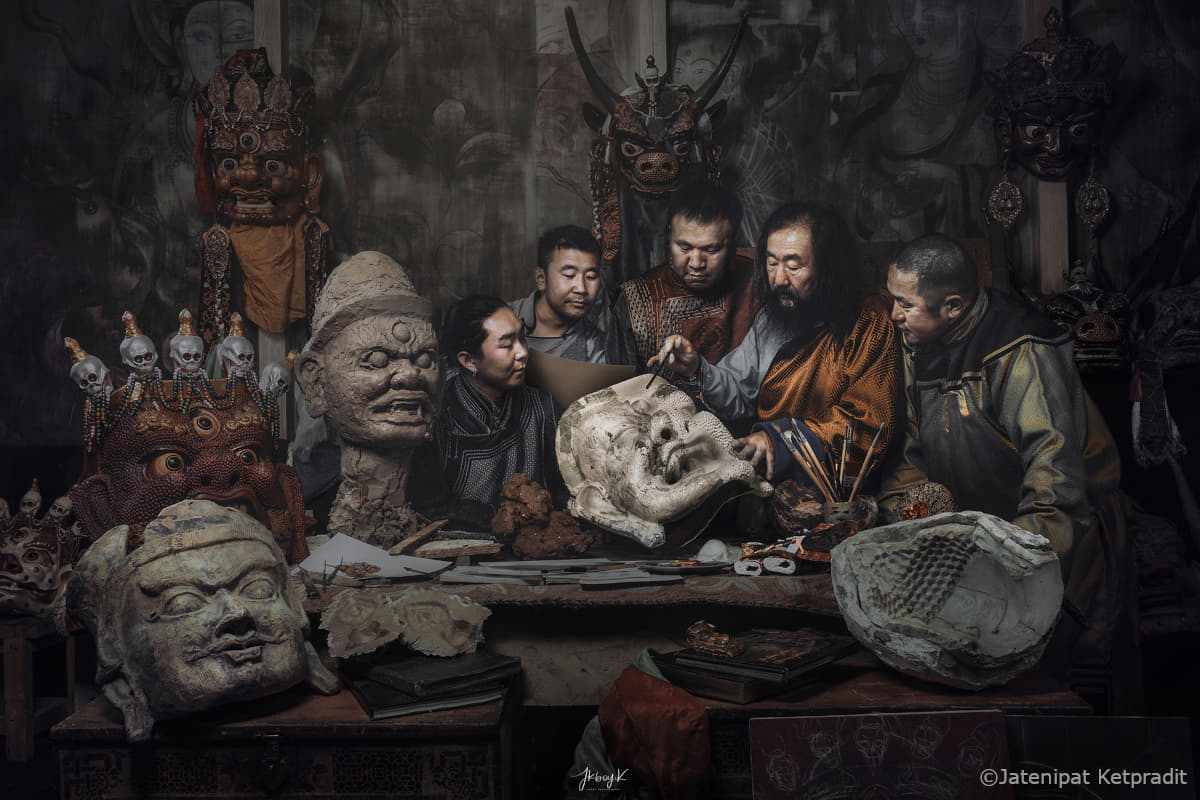
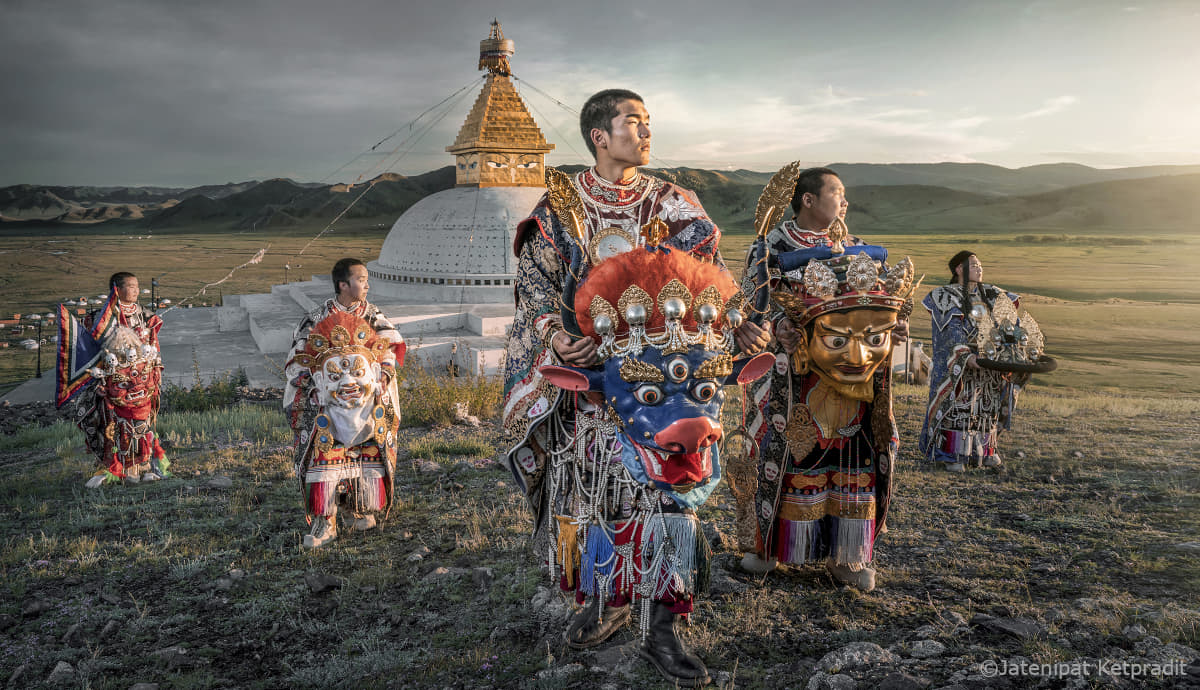
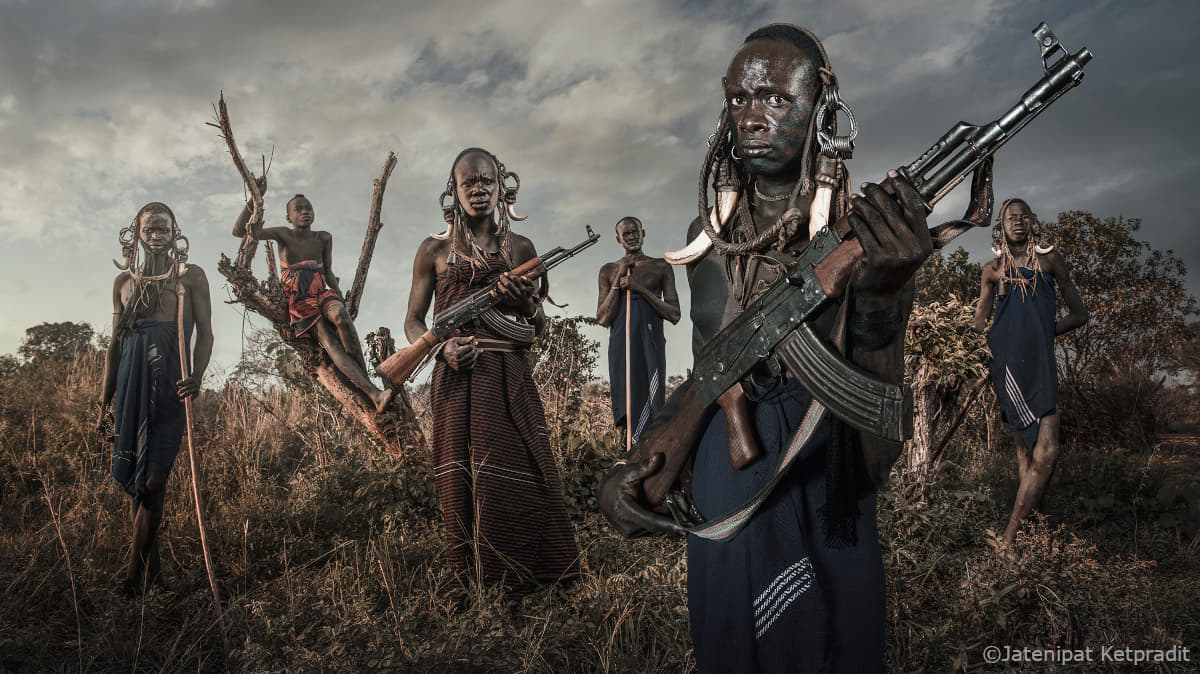
His long-term projects take him into the heart of indigenous communities in Mongolia, Ethiopia, Papua New Guinea, and beyond, where he spends weeks living alongside the people, he photographs to understand their way of life before even pressing the shutter.
In this episode, we discuss:
🌍 Why cultural identity matters in photography and how Jatenipat approaches his subjects with respect.
📸 The challenges of travel portraiture—from harsh climates to gaining access to remote tribes.
🦅 How his work revived Mongolia’s eagle hunting traditions and influenced cultural tourism.
⏳ The importance of patience—why some shoots take months of preparation.
🎖️ What makes a portrait truly stand out
This episode is a must-listen for anyone passionate about travel, portrait photography, and storytelling!
📸 See more of Jatenipat’s work:
https://www.jatenipatketpradit.com/
🎧 Got any questions? Email us
Thanks for listening and look out for our next episode!
[00:00:00] I got a message from the new generation who live in the city and they saw my work and they messaged me. Not only one, but many, many, many, many people made a message to me. Thanks to me to show how the beauty of their own ancestors, their own traditional clothes, their own culture, things that are very, very beautiful. And because they, like I told you before, they are, I think they are shy and outdated if they wear the clothes like this.
[00:00:29] But right now they are very happy and they think they should proud of this. That's very motivated me and really helped me a lot to make me do more projects about this because it's more than money or more than the price that I got. Because your photo is not just show to the world or just go to the competition. Your photo can help the people, can change and can preserve.
[00:00:55] Greetings and welcome to another episode of The Camera Cafe Show, the podcast where you brew up inspiration for your photography journey. I'm your host Tom Jacob and behind the scenes are Richard Clarke and Tatiana Malavanna pouring this all into a wonderful podcast adventure. You know how sometimes, folks, by sheer accident you get to meet or find the most wonderful photographers online?
[00:01:22] This was the case with our guest of today as I was scouting for someone who could tell us some stories about worldwide cultural identities, the amazing tribes still existing today and had, of course, great travel photography portrait skills. And then I stumbled upon the work of Jetnipat, get proud of it from Thailand. As I looked through his work and website, I was immediately hooked.
[00:01:47] And I can say for me personally, he's one of the best photographers in the genre that we have today in the world. Jetnipat, also known as JK Boy, has been published in multiple magazines, held worldwide exhibitions and is a multi-award winning photographer, which includes winning the International Photographer of the Year at Refocus Awards, the first prize in the International Portrait Photographer of the Year by National Geographic, and he has been an icon judge for their annual competition.
[00:02:17] Apart from all that, for all the work he did, he is also appointed as the Cultural Ambassador in Thailand for Mongolia. His portraits of indigenous tribes across Mongolia, Ethiopia, Papua New Guinea and beyond captures not just the faces, but the stories, traditions and identities of cultures at risk of fading away. If you're passionate about travel, culture and portrait photography, this episode is one you don't want to miss.
[00:02:45] In this episode, I'll explore with him what cultural identity means in photography and how Jetnipat builds deep trust with the people he photographs, the years of preparation behind his work, and why research, respect and patience are essential, the challenges of working in extreme environments, from freezing cold in Mongolia to the humid jungles of Papua New Guinea, how his portraits helped revive local traditions, he was one of the first photographers looking for Mongolia's eagle hunters,
[00:03:13] and his thinking on what makes truly a powerful portrait and how new photographers should start out. So, let's start traveling deep into the world of culture, identity, portrait photography and adventure. Grab a coffee, get comfortable and enjoy this interview with Jetnipat Get Proud. Welcome Jetnipat on our podcast tonight. Well, tonight for you because it's almost 12 o'clock in the night where you are in Bangkok. Thank you for inviting me to join your podcast too.
[00:03:43] It's my honor and I'm very happy to talk about the photography. And this is what we're going to do in the next hour, talk about your amazing work, Jetnipat. To start out, for all our listeners, last time I talked with Jetnipat, I asked him, please email me your best recipe of... Oh! Better show you, you didn't do it. Okay. We can tell you that, yeah, when you come to Bangkok, we can go ahead. Okay.
[00:04:12] Jetnipat, how would you describe yourself to someone that is not familiar with your work? I'm a professional photographer who do about culture, photography, not in photo, but sometimes in the landscape too. Working in photography field for more than 15 years, I tell me a lot of the world to see
[00:04:33] very interesting, very beautiful culture, beautiful people and take a photo and record them and bring this beautiful of this culture to show to the world. This is how my work do. This is your work. I think we will go in depth a bit more later about all these magnificent cultures and tribes you photographed. But for now, Jetnipat, walk us a bit back to the time where you weren't a photographer from before.
[00:05:02] What did you do before photography? Actually, I graduated from the engineering school in Thailand and I do network engineering before photography. But it's just like an Asian guy, Asian team that people, the parents, forced me, forced us to be an engineer or be a doctor or something like that. You cannot find yourself what you love when you are in the university or in the student time.
[00:05:29] So when I finished, when I graduated and I worked in some two or three years in engineering fields, it's okay, but I didn't feel happy about this. So I just took a job and just buy a cheap, very cheap, very cheap camera, the compact one. That's how it's a big, small power shot, very small one and just get that camera and go alone to the south part of Thailand.
[00:05:56] I have a lot of beach and islands and I just enjoy my time, time to find yourself what you love and what you think. So I really enjoy with my little camera and I just find that, oh, this is what I love and I should be learn more about this. So I just do research. I learned study from the internet that I read Google, but that was online course like today.
[00:06:22] So I do by myself, read an article from the books from the, because in Thailand there's not that much paid to learn about photography. So I look from the website and I just practice it. And after that, I travel to the first place in India, in Kashmir to take a photograph. To take a photograph, there are a lot of people and they are Sibirthana Buddhism. A really beautiful landscape too.
[00:06:50] So I take time over there and I'm really happy with the people and with the landscape. So I'm driving to photography very seriously after that. You were not still married or nothing, no? Oh, yeah, I'm not married yet. That's why I can enjoy and go out really often. Because it's a big step, Jenny Pat, from finishing here, deciding not to do this career, deciding to go to do photography. Yeah.
[00:07:19] But you have to start from somewhere to win money. It's a big step. Yeah. That's why I had to work for engineering for a few years to collect the money and then go out and find ourselves. And learn something, yeah. And everything happened because my wife, she loved tutorial and loved photography too. So she understood what I love and now we are enjoying to go out together. And this curiosity in cultures and tribes, when did it start?
[00:07:46] This was already before you took the camera or when you had the camera in your hand? My interesting about the culture is before I had the camera, because when I was in high school, before that, I really loved to read a book in the library about the history, the culture, the mystery, the legend, from the many, many places around the world. Even from the movie or for the historical things, historical places, I would go and visit.
[00:08:13] When I go to travel, it's good for me because I can see the real place, real thing, real people, real culture. That's why I love to take a photo of the culture and the historical place. Yes. And I think then it came a bit of your breakthrough when you won the International Portage Photographer of the Year by National Geographic. Yes. Will it be about what I won? Actually, I do the photo.
[00:08:40] At first, it's for hobby first and for my own. I didn't send my word to the photo competition before. But many people talk to me that you should send your word competition because we didn't have any social media like Facebook tonight today. That time, the website is the perfect way to publish your work. And that time, I'm still afraid to get in the competition because of this lack of confidence or something like that.
[00:09:08] The thing that changed because I got to go to Mongolia and I take my portrait of the Eagle Hunters, the Karsang Eagle Hunters, in the western parts of Mongolia. That's the first time for me to take a photo of the culture and the people. The local people, they are really happy because they have a lot of tourists come to visit their village. So I think this is a good time to send this photo to the competition
[00:09:36] because to the competition, they can publish my work, allow the world not only on the website or on the web board, something like that. They have their own news and their own channel to spread the news for the winning award, winning work, something like that. So I think I chose to send to the International Apocalypse for the Conference of the Year. That time, and really lucky because that set is won the first award, the third prize of that. It changed me a lot because after that,
[00:10:06] it got a lot of contact from many players, many media. Want to interview me or something like that. I do many things, many, many things in Mongolia to help the Mongolia comment about the cultural travel route to visit the nomad people, the local people, such that are linear people, people in the Kobe, because of people. And some lost culture, lost holidays, such that are charms, much that they want to be there again and register to the UNESCO.
[00:10:35] So I think I help them a lot. We will come a bit later back to your project because it's not the first time you go somewhere and then tourism opens up because of your work, which is in itself amazing, really. Jerniva, talk me a bit because then you are now like the cultural ambassador for Mongolia, no? Yes. How came this to be? It's as I told you, it's because I help Mongolia about the tourism
[00:11:05] many, many times and many, many routes. She gave the route in the Kobe. Because in that first time, nobody takes a photo of the sand dune with the car, male caravan or the sand dune floor. And I am the one to open this route and tell to the local people about that and let the local people know about the photography because that time people just come to Mongolia and we say they just need to do nothing. The local people, they don't know about to deal with the photographer
[00:11:35] before. So I go there and I teach them that we should set something like that and create something like the caravan scene on the sand dune. And it's quite really popular right now. You can see a lot of the tour with the photography tour in Kobe, that's a bit of caravan on the sand dune. And even for the eco-hunter in the Kazakh area, that's been laid. I help them a lot to improve the tourism over there,
[00:12:03] find some good photo spots, promote a lot of photos from that place. And right now, I think it's very popular. Many, many, many hunters will know they are very friendly right now because in that time, it's really hard to find eco-hunter who allow you to take their photos. But right now, they know about photographer. So it's easy right now. So, and I go to the north of Mongolia to the Shatan people, the Lengie people for the first time too
[00:12:33] because they never let people take their photos before and they're still a bit afraid of the camera because they think the camera will take their soul because they still believe in charmanism, believe in the ghost, in the spirit, something like that. So I had to take two times to meet the Shatan people to let them get used to with the camera and about the photography. And right now, photography route in the Shatan,
[00:13:00] in the radio people, is quite popular too. So my work and Mongolia government, they notice and they know about my work. So they just apply me as a cultural ambassador of Mongolia to promote Mongolia culture. Because I always have a photo exhibition in Bangkok or in another country that helps Mongolia a lot about this. Yes.
[00:13:28] But then you have already your project, Shatanipat. But I want to know, let's say now you're going to do a new tribe or another culture. What is your interest to go to make pictures of a certain tribe? You have like a list of cultures or tribes you want to make pictures of or they come by seeing an inspiration? Actually, I have my list.
[00:13:56] You cannot go on by list number one, number two, number three because it's just like an occasion. Because sometimes it's just like a perfect moment that this is a good time to take a festival in this time. And these people, they just know the local people in the tribe and they just connect each other and the perfect time. So I have to go to that page first and take a photo and come back. But actually, yes, I have a list of the tribes that I want to go to.
[00:14:25] I already checked some tribes already. But for the new tribe, I still have my list for the new tribe too. Yes. In South Asia, in Sudan, in some part of Papua New Guinea. Because what I'm coming to is for the people who listen to this episode, is that you do a lot of preparation before you go there. Yes. Sometimes you need to do a lot of preparation. Yeah, yeah, yeah. Before you can go.
[00:14:53] Yes, because before I go, I plan more than a half year for each project, right? Because I have to set the scope for the location and to contact with the local people. Because in the places I go, I have any guide to go there before. It's the first time for me and for the local guide to visit the people. So sometimes they have a problem because the guide, they didn't know how to work with the local. So I spend at least 20 days to one month with the local people.
[00:15:23] First week is to get into them to learn their culture. We are cooking together, drinking together, chatting together, and learn their culture. And let them get used to me and let them know me. And because when I go there, I always visit the elder, the leader of the clan, the elder tribe, to show my work and to let them know what I come here to do. And I always bring my souvenir, such as a small toy for kids
[00:15:52] and some cooking equipment for the ladies in the tribe, in the clan, something like that. And it's really useful because when you get it to the wife and kid of the family, you can really go easily to the man or the body of the tribe. You are very wise. You win the hearts of the women first. Yeah. And then you can... Women and the kids, yes. They set my treat. So you cook Thai food for the people? Yes, yes, I cook Thai food.
[00:16:22] I bring some Thai engineers to go cook with them. I think many people love Thai food. Even in the outdoor area. Because in many places that I go, they have a Thai ingredient, but they didn't know how to cook it. Such as holy basil. In Thai, we call it a powder. They just go on the glass, something like that. But the local people, they don't know how to use it. So I just show them, this is Thai herb. We just cook like this, something like that. And right now they know how to do it.
[00:16:51] And then the women, they like your food. And then the chief has no other way of telling that, yes, you can take pictures. Yeah. Yes. And then you also bring a Polaroid, no, I think? Yes, yes. I bring a Polaroid to take a photo because when you go on the load, you see the interesting people and maybe you will not see them again because it's just one time in the last time on the load trip.
[00:17:17] So I use Polaroid to take a photo and give it to them to open their mind. After they got their photo, that might be the first photo of their life. So they are very easy to let me take a photo of them. Because when I visit the Thai, I not go only one time. At least two or two times because first time we go and learn each other,
[00:17:45] take some photo and we come back and bring some photo. Go back again, give photo to the people, to the Thai, to the Cannes. And yeah, the second time is really easy because they are really happy and they want to take more photos of their family to have it and record in their home. And this, I want to come back also one moment before we start on the projects you did, Chidi, but is that sometimes people think
[00:18:13] when they see your amazing pictures online, and I urge everybody to check out your website with amazing stories also there, is that when they see the picture, some might think you just gather some people and you make a picture, but no, there is a long process in the way you make your pictures. Talk me a bit about this, how much time you need and how you do the setup with your gear. When I go to take a photo for the travel people,
[00:18:41] for the first week, like I told you, I have to scout and learn everything, scout for the location and look at the, with the light on form, the sunlight, sunset and visit each house to visit their family, to looking for some people that are very photogenic, very coloristic, very unique personality to show, to be representative of the craft, of the craft, something like that. So I have to go and visit them, ask them,
[00:19:11] very polite to, can you be my model, something like that. And they will be very happy and they will show the best thing, such as the costume, the decoration, the hat with the feather or something like that. And I can choose, oh, that's what is very good for the photo. On my own, when you take, when you wear it, something like that, I will tell them. After the first week that we go together, maybe at the hunting time,
[00:19:37] the hunting time, there are free time because I don't want to disturb them. We disturb their life because they have to go. Some people have to go to the livestock, some people have to go to the agriculture and the hunt rep. So I ask them for free time, maybe in the afternoon or at the, before sunset to take a photo of them. And we didn't take that a long time because if you take a long time, they're going to be boring. So I have to set everything really perfect.
[00:20:06] So I add a light direction and the pose. And I just, I just tell them to just turn, turn left like this and look at the camera or you just look at the flash here or at the sunlight and they talk to them and make some joke or something like that. They will be more relaxed. They will show their personality. I think at that time, I captured the moment and that's it. And I still doing this for the second week and third week to find some location, good spot. The hard thing is a group shot.
[00:20:36] Group shot is because of you have to plan everything, set the people to stand here, stand here and show the beauty of the culture because I want them to plow of their beautiful culture because right now, local people, they're still so shy to wearing their own culture and go out in the city, right? I want them to plow of this because right now, even me, I can count back only to my grandfather.
[00:21:05] And this is, I didn't know where it's my own culture or some form, my own traditional dress, right? But they still have their own dress or traditional way. So they should plow of it. So I want this to let them know about it. And to set the good photo that I have because you cannot control many people at the same time, right? I take many, many shots, but I use only a few, two or three of them with the perfect moment.
[00:21:34] And it's very, on the knees, very hard if you have animals in the picture, such as they are riding a horse or holding the ether, right? Because you cannot control them. We need a perfect shot. That's, I take time only for only one photo. So that's why I have to stay very long in one place. Very long time, yes. If you make a group picture, Jadnipat, you have like, you make like a sketch
[00:22:03] what you want it to be or you have it in your head how you want it to be? Yeah, normally I have my, in my head when I go out the first week, right? I will capture some location with my iPhone and I will be scared. People are going to be standing on here. Some people will be behind the background. Some people can be foreground. All the lights will come. From this direction, I have to sketch in my head first.
[00:22:31] And when we go to the real shooting, I have to do it again because maybe the thing is changed. Sometimes they have no sun. Sometimes people get sick. Oh, I don't want to go today. Something like that. So we have to adapt every time. So I just have a draft plan to take a photo. Maybe I need at least a made guide in the front, something like that. And I can set up many compositions behind them
[00:22:59] and use the thing that we can find in that time to make a good photo. Well, a photographer's life is not easy. Yeah. It's about adapting. Let's go on to projects. Maybe the most interesting part of the podcast. You did many things. I picked some randomly, Jetnipat, to see if you can detail them a bit. You already told about Mongolia,
[00:23:28] about the eagle hunters. Yes. I think you were one of the first ones who went out to find them and there weren't almost any eagle hunters when you started. When was this? It's about 2015, something like that. And how hard was it to find some real eagle hunters? Oh, yeah. Because the first time, it's very, very hard. Because I go with my local guide. We go together
[00:23:56] and he never go to that page and he never contact with the eagle hunter before. So we had to go together and knock out every door and ask for the eagle hunter who still be a eagle hunter. Because in that time, there's not that much eagle hunter left. Maybe only 200 allowed the country. So I have to knock the door for every door and asking in each village that we can find the eagle hunter. And when we found the eagle hunter,
[00:24:25] some people just let the eagle go because they changed the hunt. The eagles, every seven years, they will rise the eagle and after seven years, they will release it back to the nature and get the new one back. Some, when I got a model, I got the eagles, I had to find a horse because in that time, I go in the end of October. That time. So if the weather is really cold, so they release their horse to the nature to let them in.
[00:24:55] It's in the nature. It's in the class. It's in the nature. but the horse that they have, it's not that good. So, to take a photo, I need, in the first part, in my imagination, I think, I want to take a photo of the eagle hunter on the white, beautiful horse on the top of the hill. That's my first plan. So, I had to find a white horse. So, I run a lot of a whole village and I came to learn a white horse for my eagle hunter. Yes,
[00:25:24] and after the long time, I got three, the first time, I got three eagle hunters with a horse and the eagle. So, the first time, project is start, it's just take only to one week. That time, first time is one week to take a photo and go and visit and sleep in the hunter house meeting together. After that, I come back again in summertime next year. and after that, year after year,
[00:25:54] I come back again and again to take a photo and promote the photo. I saw one eagle hunter in a time that not had much eagle hunter before, maybe one or two people, a female hunter. So, I found one young girl. That time, she just only seven years old. Yes, and I took her photo and because her characteristics and everything is really unique.
[00:26:23] Her face and outfit, they can represent the tribe. So, I asked her to be a model and year after, year after, I take her photo and now, she is very popular for the eagle hunt place. The many documentary come to take her photo and event her video. Yes, and I'm really happy because I'm the one who raising her as a star or something like that. You ever tried yourself to hunt with an eagle? Not yet.
[00:26:53] I can't hold the eagle, but I just hold something like that to take a photo, but never try to hunt. How heavy is an eagle? It's about seven kilos. Seven kilos. And how long do I have to train them? They will catch the young bird. They will catch from the nest. When the boys of the clan have 14 years old, the father will bring him to the cliff and we will find some eagle nest and they will go together to get some
[00:27:22] eagle babies and they will bring it back to home and rest is in the back room. The eagle cannot see anything. They just only hear the owner's voice, the hunter's voice. They will let them get used to the voice of the owner, the hunter. So they take the eagle out, they will put their hat to cover the eagle eyes to train them not far away. So they will take the
[00:27:52] head out when they want to let them hunt some small animal. They will start with the rapid first, go to the fox and maybe the sometime weaker animal. They will be ready for hunting after two years. After they are raising the eagle, after two years, the eagle will be ready for hunting. And they always choose the female eagle because it's more bigger than the male man. Really good for hunting.
[00:28:21] What is the biggest prey that an eagle can catch? Some people, some elderly told me that a long time ago found some human bone in the eagle's nest. The baby, baby human. That's a legendary that made the tongue together and they told me about it. I'm not sure it's a real honor. But sometimes they used two eagle to hunt a wolf. The wolf in Mongolia is quite big. So they used two eagle to hunt it. to
[00:28:51] then you shot these first pictures and then tourism and photographers saw your work and then it really opened up and now there are many tours to go to see the eagle hunter suddenly. Yeah. Right now they go to the same place that I took a photo even the same post but it's okay I'm really happy because it's held the village and held the police there. Then now we walk a bit over to another place talk me about the
[00:29:21] reindeer people how did you find them because I think it's very difficult to find these people Yeah it's very tourists in the north of Mongolia that's on the border between Mongolia and last year so I
[00:29:51] think I have to go and visit them they just showed me some photo but it's a very let them find some contact with the Shatani people but the Shatani people they are the nomads they
[00:30:21] are moving around for each year so they gonna have their own place in emergency season like they have a summer spot they have a winter spot they have the autumn spot that allow the border so when they come to the village to sell the lende horn on trade with the medicine or trade with the outfit so my friend contacted them that we gonna visit
[00:30:51] their village in winter times that the first time that we plan to go and meet together so in that December I time it time gonna be a lot of months and you cannot go by car so you gonna be have to ride the horse for
[00:31:21] one week to go inside to the village so it gonna take too much and too long time so I chose the winter because the lady are gonna be have fur and the horn gonna be so beautiful but the carting is the winter is minus 40 at least so you have to go and stay with the with the horn they call a teepee teepee is a cone shape cone that made from the skin and we
[00:31:50] have a fire in the center to give our warmth and so at first time we go together with my guide with my local friend and go to visit the land year we interview ourselves with the leader of the clan at first they don't allow to take a photo to all of me to take a photo because they never do it before and they still nervous they didn't have a tool to collaborate with
[00:32:20] we have to drink a lot that night with I bring vodka as a gift to the chef from the clan and we drink and like after 3am we are so they allow me to take a photo with some people so I take some better men because they still believe in chamanism and the best chaman in Mongolia is
[00:32:50] from this area we call Taika area so I want to take the chaman but in that time they didn't allow to take a chaman because you need a special permit or something like that again so with my drink again another night tomorrow and the next day I can take a shot of the chaman it's going to be the first time for the chaman photo of the reindeer people but unlucky because I take a photo of the
[00:33:20] chaman the die and we had to leave the village before the storm coming so we had to run away out from the village and I have only after one week I have only two days to take a photo of them and had to run
[00:33:50] away so I promised to myself and promised to the clan that I will come back again next year to take more photo next year I come back again with the first photo printing and give to them and now it's easy everyone open their home and I want my photo too come and take my photo or something like that so the whole video is very happy and right now it's very easy yeah but this is because you bring one bag
[00:34:19] with photo gear and one bag with vodka and another thing that you have to concern when you go to remote area because they don't have electricity right and even in the winter time when the weather is very cold the battery is going to be gone so fast so you have to prepare a lot of batteries and calculate everything how many shots you took per
[00:34:49] day so I we will come back later because I'm going to ask you about the last project because we still have a little bit of time the ghost of Asaro please talk me about this it's very interesting the ghost of Asaro is the local people the tribal people in the center of Papua Niquini they are they are in the spirit and they wearing a
[00:35:19] mask that may form cray coloring their body with white cray to disguise as a ghost to secure their enemy to let them run away because in the jungle of Papua Niquini they still believe in ghosts and spirits so they are afraid about this so this is their trick and their way to repel the enemy so I been to
[00:35:49] Papua Niquini to take these Astro people for one month I took some try in Papua Niquini before but when I go to the Astro people I am really happy with the people because at first I think they are going to be in my imagination I think it may be going to be scary or they going to eat me or not something like that at first in my imagination but after I visit everybody is very friendly and we are
[00:36:19] drinking their own alcohol that they made by ginger together in the campfire and we get really I even have my own batter with it who is an ensemble of people yes so I stay I really love this place and the culture the only one place in the world that you can see people wearing like this and they have their own story their own legend about the
[00:36:48] outfit about the costume and everything I stay with them and learn the culture and check out the location over there and it's really good because I found the mountain that you can see on my panorama photo that people go out at the top of the mountain we go at 3am in the morning because I already go to the top of the mountain
[00:37:17] yesterday and afternoon to checking everything to check the spot and a mask and meeting at 3am we walking together some five local people with the mask and some of them help me to carry my stone to go up with me so we go up to the mountain and
[00:37:48] take a good photo and it's really lucky because in that day I had good sunlight but I got more beautiful photos than I imagined and after the sunlight I found some cave so we go inside the cave and take another shot in that cave right and after that we go down and relax the day after we go to take a photo another place but my family place is on that top of the mountain
[00:38:17] it's very beautiful you can see the landscape the homeland of the people I love your the energy and the happiness I hear when you talk about different tribes J.D. Pat what you do is you make them the pictures and you show it to us to the world is there anything that they teach you about the people the local people about yourself
[00:38:48] when you go to visit the people some kind of people out the world I really surprised because all of them they are very less big with nature maybe they still live in the they still believe that when the ancestors die they are going to stay with the river with the mountain with the forest so they really respect about nature and they will never destroy the
[00:39:18] nature I'm very really happy because most of the news that I heard right now in Thailand they said the Thai people in the forest are the one who take care look after this beautiful nature and when you travel a lot in many places it's very good when you go to the place that they don't know who you are and you just only one small tiny spot in the world no one care
[00:39:48] about you and you don't have to care about others and you can be your own it makes you very friendly and no equal anymore you are no ones over there everybody can be your friend it makes you very humble you are a lot you learn how big the world is yes of course then also you will come from the land of smiles so you don't have a problem with people
[00:40:16] talking to them and getting their pictures and not speaking the language yes that's a good thing of Thailand we always remind talk me a bit about gear what you're using these days to shoot your pictures normally I use Nikon so I start use with Nikon the 810 it's going to be developed the 810 the 860 right now I use C-Egg
[00:40:46] Nikon C-Egg but some project I use some special camera that I got some support from the another camera band such as Hasselblad or Fuji because I choose the camera that suits for my work such that I use a medium for my camera to take a still photo that I want to keep the detail of the outfit the texture of the dress of the
[00:41:16] hairdress something like that so I need a camera that can give me a lot of details such as medium format camera but for the festival I still really love my Nikon C-Egg because it's very fast when I focus for the moving things for the event things so I have to bring two tight of the camera and then you also bring a lot of other gear I think but you also bring
[00:41:46] softboxes throw yeah I have two softboxes and two throw that's it because I cannot carry too much because I just go maybe two or three people for a time so I have to carry everything and go into the jungle and the land that I use is not that F2.8 I use F4 because it's more lightweight and you can get Volcan you can throw it away and buy a new one because it's really cheap right if you use a prime land F2.8
[00:42:16] it's going to be more heavy and you have to carry it all day go to the fish and if it broke it it will be crying and then I want to talk because then you have this gear but of course you are or with some tribes in Africa or you are with somebody in the snow in minus 40 your gear needs electricity then how you do this I mean you are with
[00:42:59] calculate how many shots I can take per day if I go to the remote area I have to stay at least three nights with them and have to come back to the city to recharge everything again if it no sometimes you have no sunlight that you cannot use the solar sail in the first time I don't have solar solar charging before because that time it is no technology of the solar but it is more
[00:43:29] easier because you have a solar charger you can put it everywhere and you can use all the car you can charge from your car for the battery but actually I have to be at least three nights and go back to the place that has some electricity and charging everything take a shower and come back again Jenny Pat then talk me a bit quick about your exposition you did well you have the book and you did exposition
[00:43:58] people and their world I think you did it in Bangkok and in Tokyo now just now no yeah yes yes I have an exhibition in Tokyo right now in last month they held in Tokyo but this month they are going to Osaka in Fuji Film Square in Osaka there's a photograph there's a photo set of the charms marks in Mongolia I think maybe next month it's going to be in Nagoya because Fuji they own this
[00:44:29] exhibition and they move this exhibition to another city in Tokyo but for my books I have my people and they will book this one you can search on internet and it's worldwide it's collecting my photos from more than 10 years about the local people and about the beautiful culture around the world how was your experience to do an exhibition very nervous about it first yeah at
[00:44:59] first because my exhibition was quite nervous because in Thailand photo is not quite popular as painting or sculpting so photo is a new thing that not that many people have exhibitions so I think I can be maybe the first in Thailand who have a really big photo exhibition at the first time so at first time
[00:45:28] of me have an exhibition in Bangkok and it holds about 600 meters square square meters for the area I moved to four of the department store of the gallery and display all my photos even from everything from the people and to the landscape photo that's the first time I got to make people know who I am right so it's going to be more bigger after that when I
[00:45:58] just used to and the second half is much easier another place in Beijing or another country is easier because they have their own curator to take care of everything and just send them a photo or something like that but for the first one in Bangkok how you decide which pictures you want to hang I have two floors of the gallery the first one is like I start with the eagle
[00:46:28] hunter and then with the mountain theme I paint the wall in the brown tone that look like in the desert and in the valley in the mountain and then when you move to another room the theme is changed we have a green room that have some tree have a forest and you have a photo and when you move to another room in the area you can see another different thing like the sound
[00:46:58] and they are playing some of their music and I play them in each room to get the ambient atmosphere of each room that have a different light you are traveling all over the world through my exhibition and visit beautiful people that's the first fall and the second fall is unless I call that one is creation of the world exhibition I put a lot of the landscape photo that I take before
[00:47:28] it's quite good in first time I have almost 50,000 person to visit the exhibition for one month that's good you even had the ambassador for Mongolia no visiting the exhibition yes I invite the ambassador of Mongolia to come to the exhibition the media in Thailand they know me and the news and they come to interview and it's very cool to do it because at first I'm
[00:47:58] really afraid to have an exhibition but because it's going to be take a lot of money to have an exhibition you have to frame it for the letter and everything because I do it by myself I didn't hide anything I so next year I have another exhibition and right now it's perfect because the gallery they know me they gave me a very
[00:48:28] long time for my exhibition and with a very good price for successful with yes very good because you're also the person that did so many things and so
[00:48:58] many things I want to talk about but we only have like one hour because there I can lie and lie about my exhibition with my phone we
[00:49:28] together in the exhibition it's very nice sounds a very good plan Jenny but tell me what was the most difficult shoot that you did ever oh actually it is quite difficult because you have to maybe taking photos in Metawai try in Indonesia because it's very humid
[00:49:58] the rain is coming every day kamala after you take a few shots it's not working you have to put it in the rice I bring my rice to cook for myself but I had to use that rice to put the kamala and cover it with the rice to get the humid out every night every day but the result is good too because it makes a very unique photo of that tribe and that is quite popular too
[00:50:29] that's why it's really hard because how to get there it takes a long long time you have to take time on the boat 40 boats maybe for 6 hours from the Iceland to the Iceland and you have to be on the wooden canoe small boat and ride along the very curve river to inside to the winter or the forest about half day to their village and
[00:50:59] in their village they have nothing you have no electricity no cell phone signals you have to survive with them you have to eat some monkey when they are go with I give that pig as a gift to the leader of the clan and they are happy because today we have pigs and I do
[00:51:29] pig the pound for them and you bring toys for the kids yes yes of course they must all love you very much there I can see them all running behind you yeah what you think let's say photographer starting out he wants to go in your footsteps and he wants to make pictures like you make what advice would
[00:51:59] you give him so first that's why I think every photographer maybe they gonna spend many things many money all the equipment first right but for me if I can go back into my time I will spend money on the trip on experience first because you can learn everything from the real situation that you face the way to talk to the people the way to get into the people
[00:52:28] it is the hard thing that the camera even the good one cannot help you on this you have to travel learn a lot to take a photo of the people of the local people like this you have to give them respect if they say no you should not do it if they don't allow you you should not do it
[00:53:11] technique something like composition you can learn the composition from a trip you have to adapt it to yourself to set the composition the way that you can look like your own signature on the photo such as a group photo or something like that after that when you come back home you can learn to edit the color and mood and tone from the other photographer who you
[00:53:41] love that tone but at the last you have to have your own tone your own unique color that people can see and they know oh this is from you not that from another guy something that you you shoot
[00:54:11] you have you feel yourself that you have changed your style changed yeah some has changed when I look back to my own world before I think I have to edit it again something like that because when you grow up you change your style and at first maybe you need some very very white brown color very sharp color very contrast color but when you grow up you will have a very soft tone
[00:54:40] not that not contrast right but when you grow up you just need to do edit at least as you can you want it to be nature nature or color something like that for me I because as my work I do about the
[00:55:10] people and the culture I want my photo to be of the community the culture so I want my photo to be as long as you watch is really long time they are classic right now I want my photo
[00:55:40] to look classic that is timeless piece something like that that's what I'm looking for You ever had a moment that you know young people nowadays I think they don't wear so much traditional dresses they will go to more western clothes and then you bring back these pictures and you show them that really what their ancestors wore wear it beautiful you had every moment that
[00:56:10] these people told you this that the young generation told you this that it's beautiful what they wear yes yes yes yes I got a message from the new generation who that tribe is in the who live in the north and in the border between Thailand and Burma I took that one I got a message from the new generation who live in the city and they saw my work and they
[00:56:40] messaged me not only one many people made message to me thanks to me to show how beauty of their own their own traditional culture things that very beautiful and because they like I told you before they are shy and outdated if they wear the coat like this but right now they
[00:57:15] make me do more projects because it's more than money or more than the price that I got because your photo is not just show to the world or just go to the competition your photo can help the people can change and can preserve them yes those are very wise words thank you to end this interview today let's do a
[00:57:45] quick round of more fun questions maybe you don't have to think too much just answer what comes to mind okay what's your favorite Thai dish you cook for your friends oh I for the day I come to Bangkok what's the name of your horse in Mongolia my horse is Brico Brico yeah
[00:58:14] it's a fast horse ah yes yes yes you will be a good eagle hunter then is there any unusual gift they ever gave you some tribe many times as as the lander one the traditional one they give it to me for the eagle hunter they gave me the head fork
[00:58:44] made from fox skin that they use and for the fur the coat yes they will give me some because I will ask them for some local things some local product to be memories such as in Papua Nukini they give me a mask a solo mask to me okay it had been good if you had put it on now it had been great for the YouTube version
[00:59:14] but he not here right now so I'm sorry but I still have the arrow in here in this room okay okay tell me but what you do when you put down your camera what you like to do enjoy my time with my kid my son one son his name is Nepal yes I always spend my time with him and I want him to happy with his life because I name his Nepal because it
[00:59:44] comes from never ending peace and love so I want him to know what he loves to do and I will give him freedom what he wants to do so I will take him to travel with me and enjoy with the major and
[01:00:14] you know he's going to be a better travel photographer than you I hope so Teddy Pat I think we are there we had an amazing talk I think it goes over one uncle I really like to talk to you I like to hear your stories I like very much of course your pictures they open a whole new world not only for me but I think for many people that watch your photos I will be looking forward to see you in Thailand yes
[01:00:44] and then you will prepare me your holy basil pork I will keep you my book too my signage that is a promise yeah got it thanks for the talk and I see you soon bye thank you bye bye and that's a wrap folks on our conversation with Jey Nipat his approach to cultural storytelling portrait photography and respecting traditions I think is truly inspiring from sleeping in the tents of reindeer
[01:01:14] herders to trekking eagle hunters in Mongolia Jey Nipat's work is more than photography I think it's a bridge between worlds capturing stories that would remain otherwise unseen if you want to see more of his work and his incredible images check out our show notes or his website at jeynipatketproudit.com as always folks if you enjoyed this episode you can help us out by buying us a coffee don't forget to subscribe to our newsletter on our website leave a review on spotify or apple and share these
[01:01:44] episodes with your fellow photographers and travelers it all helps us moving our own photography I see you next week for another great episode of the camera coffee show adios