
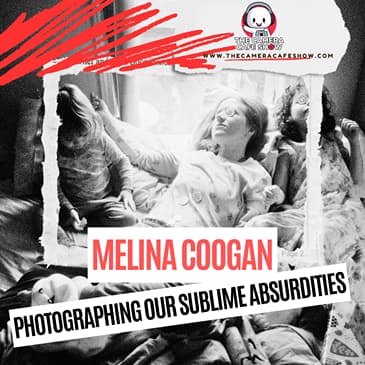

Ever thought about turning your love of photography into a family photography business? Where do you start, how do you find your first clients, and do you really need to know everything about your camera before taking the plunge? ☕📸
In this conversation, award-winning documentary family photographer Melina Coogan takes us through a life that has included adventure sports, writing, working aboard a small cruise ship in Alaska, and eventually finding her way into family photography. The surprising thing? She never set out to become a family photographer. Readers of her blog, The Wilder Coast, encouraged her to start photographing families, and many of those readers became her first clients.
Melina is refreshingly honest about the learning curve of building a photography business. She talks about getting things wrong, making expensive mistakes, and discovering that you don't necessarily need to know every camera setting by heart before you begin. For her, what matters far more is being present, staying calm, understanding people, and knowing when to step in — or when to leave a moment alone.
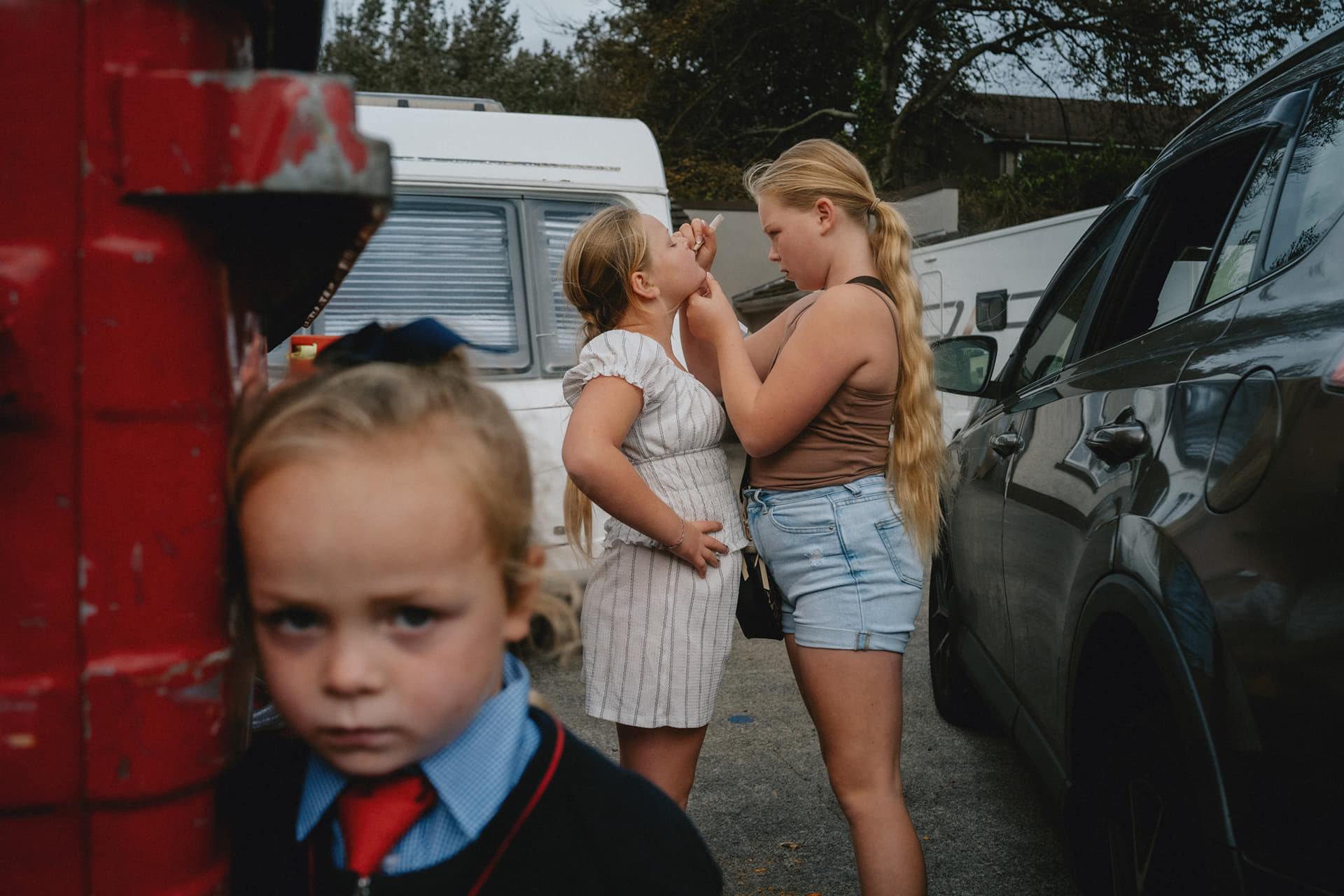
We also talk about her documentary work with the Irish Travelling Community, a project that took her outside her familiar world and brought her back to the sense of adventure she had missed. Melina reflects on the importance of understanding the people you photograph, learning their history, and approaching their lives with curiosity and respect.
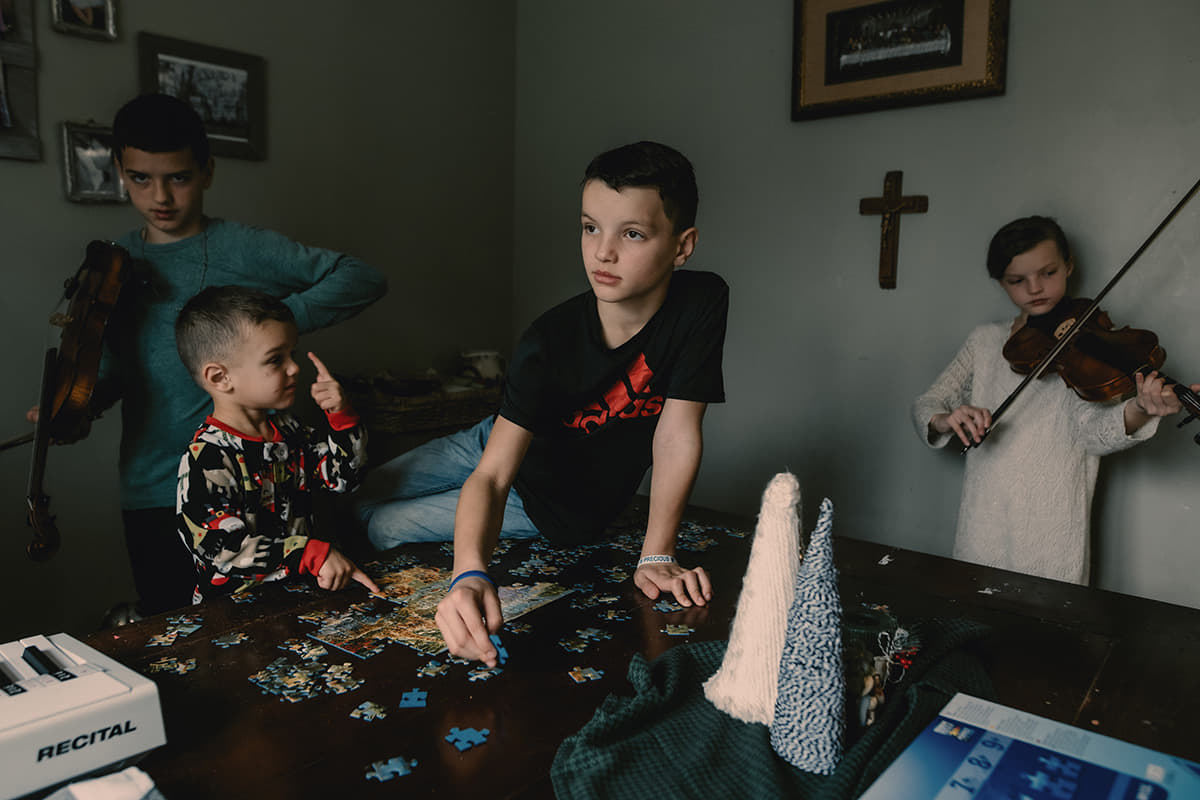
And then there's the phrase that ties so much of her photography together: “Sublime Absurdities.” For Melina, it describes the hopeful things we do for our children and their future, even while facing an uncertain world. From the everyday details in a family home to the little drawings we put on the fridge, these seemingly ordinary moments can become acts of hope — and photographs that help us appreciate the life we're living right now.
There's plenty of humour along the way, too, including stories that prove family photography rarely goes exactly to plan. And yes, there are Irish fairies. Melina genuinely believes in them, although she warns us they're not particularly nice…luckily they didn’t show up during our talk 😄
So grab a coffee and join us for this conversation with the wonderful Melina Coogan.
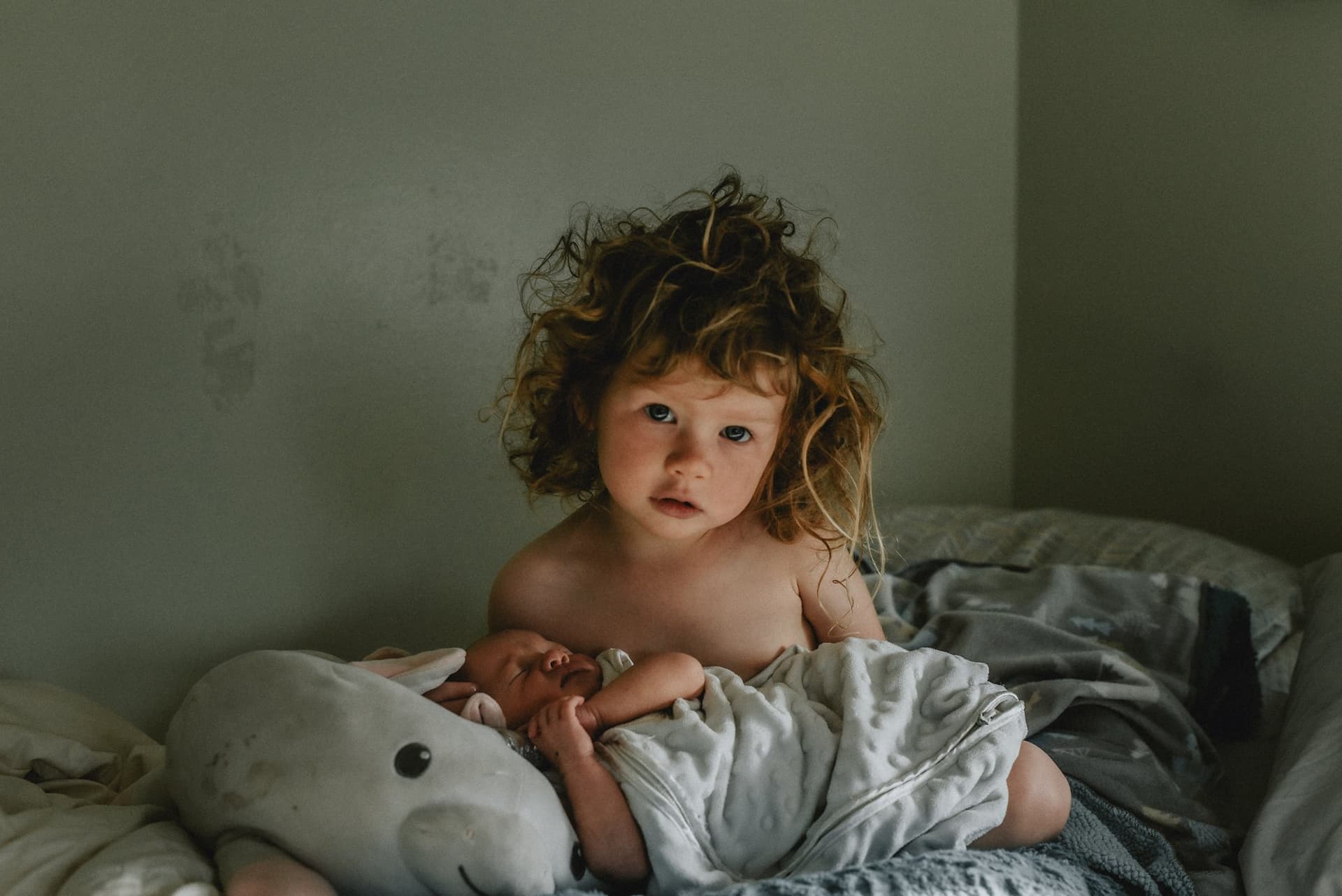
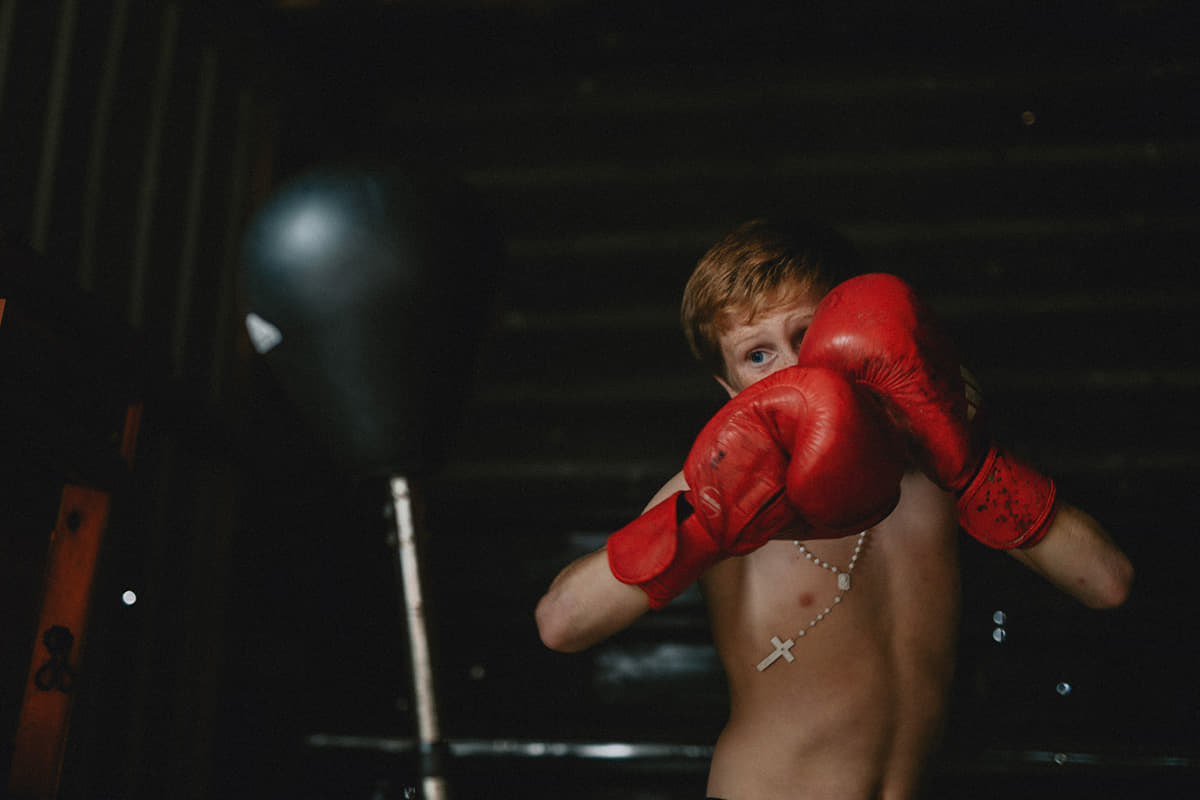
📸 See more of Melina Coogan’s work:
https://www.melinacooganphoto.com/
***
🎙️ Enjoyed this episode?
Follow, maybe leave us a review, or share it! You know the drill. 😉🎧
***
🎧 Got any questions? Email us
Thanks for listening and look out for our next episode! 🚀
[00:00:04] There have not been disaster shoots. And I do credit myself to shoot under sort of any condition. If you're at somebody's house and it's been obvious that one of the parents had no idea that you were going to come and be there for 12 hours. Or, especially at the beginning, a lot of, we're doing this for mom! Everybody smile because we're doing this for mom! And there's been many disasters or just like, you know, I've had fathers, and I gotta say it's always been fathers.
[00:00:33] Stand behind me when their kids are doing interesting things and everything is good. And the dads are going, show your teeth! Show your teeth! Smile! Show your teeth! And just, it literally took me until I went to Ireland and shot under those rough and tough situations to realize that I really can be like, whoa, back off! He's just, this kid's doing fine! When somebody's paying you, you don't want to have any friction. But I realized that I can, I know exactly what to say and how to get them off my back and out of the situation.
[00:01:03] Without ruining the rapport for the rest of the shoot. But it did take going to Ireland and getting my ass kicked verbally time and time again from mostly the mothers and also the children that I was shooting in Ireland who were super rough and tough. For me to learn how to be completely okay taking up space where I'm taking up space.
[00:01:56] I'm Tom Jacob and this is The Camera Cafe Show. My guest today, folks, is Melina Coogan, an award-winning documentary family photographer from the US who has taken quite the unusual route to where she is today. Before family photography came along, there was adventure, climbing, kayaking, frisbee, teaching, a stint working on a small cruise ship in Alaska, and 10 years of riding a wonderful block.
[00:02:21] In fact, it was her readers who started encouraging her to photograph families and before long, something that began almost by accident had become her profession. In our conversation today, Melina talks about building a photography business while figuring things out along the way and why you might not need quite as much gear knowledge as you think. We get into the economics of it all, how to make it work alongside your own family life, why real life is so much more interesting than perfectly arranged smiles,
[00:02:50] and how learning to trust yourself can be just as important as learning to use your camera. Of course, we also have some wonderful stories for you, from sublime family moments during a shoot to her project documenting traveling families in Ireland, which caught the attention of photo folk. And running through it all is Melina's wonderful curious way of looking at the world, finding beauty, humor, and the downright absurd in everyday life.
[00:03:15] Because sometimes the most extraordinary pictures aren't the big moments we are eagerly waiting for, but the things that happen right there in the middle of it all. Mind you, if an Irish fairy had turned up, she might have forgotten all about photography. But luckily, that didn't happen during our conversation. Grab yourself a coffee, make sure the children aren't staging mutiny, and join me for my conversation with the wonderful Melina Coogan. Greetings and welcome back on the show today.
[00:03:44] My guest is a documentary family photographer from the US who believes in photographing real life, the beautiful bits, the messy bits, and everything in between. She's also been, in no particular order, a writer, a climber, a kayaker, a teacher, a traveler, an adventurer, an Alaska ship photographer, a Kodak Portra film lover, and the ultimate frisbee player. Melina, it's a pleasure to have you on the show today.
[00:04:13] Thanks for having me on. I loved that intro. Then, let's stay there. You didn't just play ultimate frisbee. You kept in teams, you coached teams, you played national championships, you played at an elite level. This is a first on our podcast, Melina. What is it about frisbee that grabbed you so completely? Okay, ultimate frisbee, in case anyone's not familiar,
[00:04:36] it's not, it's a real sport, first of all, and it, you can play at a, I don't know, a professional level now. I think you get a few hundred dollars a game or something. It's really big in colleges in the US, but it's all over the place. I played in high school, and then when I went to college, that's what I, for five years, that's all my memories of playing ultimate. It's actually like a gorgeously athletic sport. It's like all other sports combined.
[00:05:06] And it was just really, it was really helpful for me to have something. I'm like highly competitive, every bone of my being. And it was a really good sort of neutral way without any real stakes attached to get that competition out. And now that I don't play ultimate anymore, I have a retired, so to speak, because I did play on the world championship team. It's a different, there's like different ways to be world championship team, but I played on those teams.
[00:05:33] And now that I don't have that, I feel like I've channeled all of that competition and also the way, sort of the mindset behind competition, I've channeled that into photography, for better or for worse. You see what an excellent first question I made you. It is an excellent first question, yeah. And you will love the second one because you remember that somebody once called you the most stubborn person on the planet. You have officially retired from that now? From being stubborn or from ultimate?
[00:06:03] The most stubborn person on the planet. Yeah, I'm retired from that too. I care about five aspects of life and I care very deeply about those, but the rest, what are you going to do? Yeah. I guess I could say I choose my battles a lot more carefully now. Yeah. And thank goodness, because if I still was holding on to that stubborn streak while I have the two daughters that I have, I don't know who would be still standing at this moment.
[00:06:32] I was going to ask you, with your two amazing, beautiful daughters, Olive and Ivy, which one of them is more like you, you think? Ivy. Yeah, my youngest one. And she looks just like me. She's really extremely upbeat and positive and happy and easygoing and a little bit of that more people-pleasing. And that's all me. And then my eldest, it's not that she's not happy.
[00:07:02] She's just very dark and very focused, and she doesn't have a drop of that people-pleasing, sort of that golden retriever boundless energy that I'm known for. Again, for better or for worse. She doesn't have any of that. And she hasn't had any of that since the moment she was born. She has been this way. I kind of thought when I would have kids, I would have two replicas of myself.
[00:07:28] Even though I knew this wasn't going to happen, I still really thought I would. And she challenged that. She's been challenging that since day one. Yeah. But then my question is that she looks a lot like her father. She is her dad's replica. They both have these big red curls. Oh, yeah. It's like we each have a little clone. He doesn't have her disposition, though. She has got that all on her own.
[00:07:56] And he's much more like me in terms of the energy, the enthusiasm and optimism. He's actually a lot more optimistic than I am. But yeah. Nice. They are in school now or they are not home? Yeah. No, they're at school. They're in school. They're in kindergarten and third grade. I was going to ask them a question, but then I will ask the question to them in the end. Okay. Yeah. Oh, I really wish they could be on. They're so beautiful. They're so worth being on a podcast.
[00:08:26] But yeah, no, they're at school right now. Big public school believers over here. Okay. Let's stay there a moment. But we go to you as a little kid, Melina. You grew up in Vermont. Mm-hmm. And amazingly, without a television and you survived. So what you did all day? How old were you as a little kid?
[00:08:48] I, again, I think I was the happiest, most content, most mesmerized by life child existed. I just, my memories are only good. They're so good. I have older sisters, four years older than me. We grew up right in the middle of Boston, right in Boston's north end, Little Italy, till we were, till I was eight and she was 12. So we really got those formative years right in the middle of the city, walked everywhere, didn't have a car.
[00:09:17] My parents gave us such a level of freedom and autonomy and trust that even as little kids, we were walking a mile to the tea station, taking the tea to school. So things that obviously we'd have a CPS case against them right now, which is ridiculous if they were, if it was like they were raising us now. But then when we were, when I was eight, we moved full time to Vermont. And then the same thing, we had this, except instead of the middle of the city, we're in
[00:09:45] this extremely rural part of the country, probably the most, Vermont is the most beautiful, peaceful, pastoral, most liberal and the most secular state in the nation. Two things that I really align with. And my parents worked, they still worked in Boston. So they would travel to Boston Monday, Tuesday, Wednesday, and my sister and I would be by ourselves for days every week until I went to boarding school.
[00:10:14] And so we had this level of complete trust and it makes what I do as a parent these days look like helicopter parenting and I'm not a helicopter parent. But yeah, so my childhood was marked by just endless exploration in nature. And yeah, my dad was super adamant that we didn't have television. And I, looking back, I think a little TV would have done us good because we had just so much time alone, you know?
[00:10:41] And then especially when my sister went off to college and it was just me, we were really involved with theater. So that kept us really busy. But I still, especially in the winter, remember just what felt like endless time that I didn't exactly know how to fill. But I figured it out and all of that, everything I learned in those years with no distractions has really come back into play just the way my brain works now. Which is not to say I raised my kids without TV. I wish I could say that, but I don't. I don't.
[00:11:13] But you figured it out because you were already very good in writing when you were a child. And I think that has an influence on your life now. Let me go a bit back to you spent 10 years writing your blog, The Wilder Coast. Oh yeah. But the theory actually starts with you living in a basement in Seattle, working at a failing kayak shop, and suddenly you're back to your parents' house in Vermont. What means that blog to you?
[00:11:44] I think I have only good feelings about 10 years writing that blog because it's super easy for me to be open about just about anything. And I don't think that comes easily to a lot of people. It's not in their nature. It's not what they're here to do. But for me, I'm like, anything that's in the inside, I want to talk about and want to see if that's what's going on in other people's heads too.
[00:12:13] That 10 years, I think I was like 20 to 30-ish, give or take a few years. Mostly what was going on in those times was, yeah, realizing with an English degree, I was not going to last very long in Seattle. At least trying to be a writer, I was not going to last very long in Seattle. Although I kept it going for years longer. I kept being able to live there and figuring it out week by week longer with an impressive amount.
[00:12:39] And taking any side adventure job that came my way. But I think when I was writing it, I thought the writing was really good. And this is back before Instagram influenced, before Instagram took over blogging. And I think people definitely have this view of blogging as being very low-level writing. And there's a lot to unpack there, especially the majority of the bloggers were women. So there's...
[00:13:07] But looking back, I go read back. The last time I went and looked at a post was probably two years ago, or maybe during the pandemic if I didn't have much to do. And I remember thinking, oh, okay, I wasn't actually that good a writer. I got my point across and developed this really big community online that a lot of those people became friends in real life. And I'm still in touch with them today. And a lot of those readers became photography clients.
[00:13:34] And in fact, it was blog readers who started pressuring me to do family sessions when I had no... I had never thought of it ever. Never thought of being a family photographer. So it's kind of when I did make that transition, I had this countrywide network of people who were willing to have me take their photos. So I feel like that was the sort of leg up that I had. I promise we will come to photography in the end on the podcast, but I have to tell something
[00:14:03] because I read through a large part of your blog. Oh, wow. Your writing style and your humor. It reminds me of a great travel writer I absolutely love, which is Bill Bryson. Oh my God, really? I love Bill Bryson. So he is from... He's from England, but he lives in Hanover, New Hampshire, which is right across the river from where I grew up. So he was been like a local...
[00:14:30] I've never met him, but just living in proximity to him made me see his stuff all the time. And his biography... And it's a fictionalized biography, obviously. I think it's called The Life and Dance of the Sundance? Thunderbolt Kid. Thunderbolt Kid. Have you read it? It's my favorite book. It's my favorite book. It's just... He does... He's a gorgeous writer. He's hilarious. He's understated.
[00:14:59] He's not treacle. He's not cliche. And that book somehow manages to be one of the funniest books I've ever read, while also being one of the most nostalgia-inducing, heartwarming, and then ultimately heartbreaking book. Yeah. And I read it maybe twice a year. Yeah. So it's really nice to hear that. Yeah. I should have him on the podcast, but I think he has absolutely no idea of photography, Melina.
[00:15:28] You might want to try anyway. I'm going to give it a try. Be worth it. Yeah. His writing style shaped... And now we'll get to photography. His writing style shaped my actual photography. So it's mind-blowing that you brought him up. Yeah. Then, before photography became your career, Melina, you already lived a quite adventurous life. And somehow you ended up working on a small cruise ship in Alaska, taking photographs of passengers.
[00:15:57] How came that about? That was because I was involved in adventure sports, especially rock climbing and whitewater kayaking, since I was 11. And I went to this very strange, very formative, very tragic boarding school called the Academy of Adventure Quest, which was specifically to train either climbers or whitewater kayakers. And it went all around the world and it was extremely dangerous and it ended up being a very bad place.
[00:16:26] But I had a very good experience there. And it went on to affect just about every sort of thread of my life, honestly. So I was really... I had always really been into especially rock climbing. I guess just being involved in that outdoor sports world for so long, I decided to become... Most people do the woofer class, Wilderness First Responder. And I really liked that.
[00:16:52] So I thought I would do Wilderness EMT class, which is you become an EMT, but then there's this extra five things that we... That WEMTs can do. We can place IVs, although don't ever let me do it. But technically, I could. Anyway, so I did that class. That was like a month where we all lived out there, somewhere in Washington State. And one of my classmates worked aboard these really small cruise ships that are like adventure-based
[00:17:18] in the inside passage of Alaska, which is that body of water that kind of... If you look up a map at Alaska, it's in the southeast part of Alaska. And I'd never been to Alaska. And because I know him, his name was Randall Tate. And now that I think about it, he was a professional photographer as well. He worked as a guide on the kayak guide on their ships. And so he got me in touch with the captain and they were looking for an MPIC, which is medical person in charge of the ship.
[00:17:47] And they ended up hiring me. And then once I was hired as the MPIC, I was then told once we were at sea, I was told I was also a sea kayak guide, which no problem, I can do that. And also a naturalist, which was hilarious because I knew nothing about anything, about the geology, about the biology, about the history, anything about southeast Alaska. I've never been there. And I had these passengers who were paying so much money to be on this ship asking me
[00:18:16] on a little skiff boat or in the kayak asking me all these questions, what's the name of that flower? And I had to make it all up because you get tired of being like, actually, I have no idea. Sorry, I wasn't hired for that, but I'm doing it. So that got, talk about absurd, that got really funny. And there just weren't that many medical disasters at sea on a small cruise ship. So I started taking a lot of photos and using them in the slideshow presentations we would do for the guests at the end of each week.
[00:18:42] I just started really focusing on that, trying to kind of make up for the fact that I was the world's worst naturalist. I knew very little about actually working a camera. I had a basic understanding of aperture and shutter speed, and that was it. So I would love to get another chance to be on that ship for even just a week and see what kind of pictures I could make. But that's when I started delineating, like, nature is one thing. Whales are one thing. People is another thing.
[00:19:11] But watching people's reaction to the nature that we saw, which is just this mind-blowing, mind-blowing proportions. Everything is so huge. And the calving glaciers and the breaching whales and the bubble net feeding whales. But I didn't have any, I didn't have much interest in photos of just that, just the ice rites, just the whales. I couldn't really make the image. I'm not a landscape photographer. I never have been.
[00:19:37] But capturing people's reaction to that and then trying to get a storytelling images with the people reacting to see a whale breaching with when you can have what's actually going on in the background all in one photo. I think that's what started is pushing me towards this documentary style without me having a word for that at the time. Mm-hmm. And then photography started, you came back. Talk me about the first paid shoot.
[00:20:04] I think you got $100, but it clearly meant much more than getting money. The very first paid shoot was a blog reader reaching out saying they wanted to gift somebody in their life a newborn session. It was like my last week in Seattle, which is too bad because I would shoot with the Pacific Northwest background over the American Southeast background, 10 out of 10.
[00:20:33] So much easier, honestly, and better in my opinion. But yeah, I had that one client. I did not know what I was doing and I don't think I even have access to those images anymore. So I can't really look back and see where I started. But I remember maybe four. Four were good enough for me. And I think the rest were probably pleasing to them because it was of their newborns. We were at this like very cold beach. But ran home.
[00:21:04] And before I knew it, I was editing the photos. And it wasn't until later that evening that I realized I had left my keys in the door, which is not something I normally do, especially like in a city. But I had been so incredibly excited to see the photos and to work on them that I left the keys in the door. And that was this sort of this like, it just made me think, I have never felt that way about writing. I always wanted to be a writer.
[00:21:32] I wanted to have things written. I liked when it was over and I could show people what I read. But sitting there actually writing, like, no, it was a complete grind. It felt brutal to me. And relatively brutal, I should say. So to realize that I could potentially make money off of something that I was that enthusiastic about. And it's only gone up. My enthusiasm towards my work is only or towards the process of photography has only gone up from there.
[00:22:01] I still routinely will leave the keys in the doors when I'm like running home to shove the memory card into the computer. And that was it. I mean, I've been full time ever since then. So what's the best thing of being a documentary family photographer for you, Melina? There are so many best things. I almost, it's impossible to say, choose a category, right?
[00:22:30] Is it from the flexibility of the work? I have some pretty, at times, debilitating health issues. And there was no way I could work a nine to five. There's no way I could work for somebody else. Then socially, like the connections you get to make and the artistry. It's like, how could it's what's your favorite part of your kids or parenting? You're like, I don't know. It depends on what day you're talking to me. And there's just, there are very few downfalls.
[00:22:57] If I had to choose the best, what has been most beneficial for me in my mental health is photography and in a way writing too, but it feels more relevant with photography. I feel like photography has made my life, my whole life, like a treasure hunt for interesting and gorgeous imagery. And I'm constantly on, I can't turn that off.
[00:23:27] When I want to go, Melina, is before we touch on the Melina from now, when you started out, you told me you had some pretty strict rules for yourself about photography, no posing, don't interfere. You thought at the time that the less you interfered, the more authentic the pictures were? Yeah. It wasn't exactly when I started as a family photographer.
[00:23:52] It was a couple of years in when I discovered the realm of DFP, documentary family photographer. And I found some people whose style really intrigued me. And those people like Kristen Lewis is one of them was, she still is like very much a pioneer in this field. She was kind of everywhere. She's very outspoken, a really good presenter. And she started, she's at a different place now.
[00:24:19] Like we all have our journeys, but she started in this very like journalism, photojournalism in the home purist approach, which is I'm completely hands off. And I'll be with a family from when the first kid gets up to the last kid goes down making photos. And I'm not going to interfere. Even if you knew that by shifting your clients a foot to the right into some beautiful light, that would just make a world of difference. But I think people who are photojournalists have that ethos that they can't interfere at all.
[00:24:49] And if they can, they're not going to call themselves documentarians or documentary family photographers. So for years, I was like that without really thinking about it until one, I realized my photos were lacking. They just weren't. They were like, I would go into the session thinking, okay, there's going to be these big moments. There's going to be these big moments with big reactions and really funny stuff. And there would be long session after session without really, without a big moment.
[00:25:19] And I was missing the vibe. I was missing emotions. I was missing feelings. I feel like almost missing the point. And then I realized that I was completely wasting my own imagination and my own vision. And for what? To follow rules that I had set for myself. That wasn't necessary at all. It was probably necessary for my, for my like, my journey and my evolution.
[00:25:47] But I'm glad that I'm away from that now. Because Melina, that life isn't all about constant big moments. Oh yeah. It's, I'm thinking life is very little about the, about, don't let me get too cerebral, but I don't think life is about the physicality at all. There's intuition, which is picking up on all these, I don't know, energy currents, who knows, but it's very real.
[00:26:13] And so I try to utilize whatever it is that's going into intuition. I think instead of waiting for something to happen, you want to see what a moment feels like maybe. Yeah. I think I've used a lot of words to say mood. I'm much more interested in mood than I am in one particular snapshot, one particular
[00:26:40] fraction of a second of whatever is happening in like in the room. So these days, what does creative intervention mean to you? I was going to say it can mean anything, but I don't do a lot with external lighting. So I know that there are people who, who set up a shot as if it was like a short film, right? With like Gregory Crudson is one of my idols.
[00:27:07] He does it all with the, his budget for each image is like that of an indie film. When he'll get like the fog machine going outside and hire actors and things like that. And I would love to one day get to the point where I could do that. When my kids probably are little, can take care of themselves more and I can invest in that more. I would say I'm between that and where I started with pure photojournalism.
[00:27:31] So if I walk in and it changes, obviously it's like every family is so different as cliche as it sounds. But if there's three kids under the age of four, I won't try to do much because they're going to do, they really will give me moments and they're going to be all over the place and they're not going to listen to me anyway. Right. So that kind of solves itself. I'll just do whatever they give me. I'm going to shoot. I guess if I'm with a family that kind of falls in between, they have kids, but they're not leading the show.
[00:28:00] They're a little older. Then I will full on pose people and it still looks natural. So people don't, they don't believe me when I say I pose, but I really do. And I don't ever have anyone like hold a pose like stiffly. It'll be like more directing. I feel like more directing. So it'll be about the colors that I see, the vibes of the house that I feel and wherever the light is. And then I'll just have them pick something up that I think looks interesting.
[00:28:30] And I'll even try to pose people in like layers. I have yet to achieve a successful posed layer shot, but I do try. So yeah, I could be really hands on. So actually when I'm doing those 90 minute sessions, for obvious reasons, I'm doing a lot more posing and directing and okay, I've got what I need from this scene. It's like little vignettes of life that will pose throughout the house. But when I'm doing six or 12 hours, like a half day or a full day in the life that I,
[00:28:59] if I could do those all of the time, I would because for, yeah, for about two hours, if that get people first, just not knowing what to do with their hands or not doing what to do with themselves, when a stranger is in their house. And I totally get that, right? Especially because I shoot with the 35. And so up in people's faces and spaces the entire day, people are like, don't know what to do or they laugh and they have this self-conscious air to them.
[00:29:29] There's that. And then there's also just the like, we have cleaned this house up and we have chosen our outfits. Even if they don't match, we've chosen our outfits. And we've got our ideas of what this photo shoot is going to look like. And we're going to pretend to be like the two dimensional people that we all want to present as. And you can only hold that. You can only keep that going for two hours max. And then, yeah, then something cracks.
[00:29:56] And when that happens, then I'm like, I usually don't even use my images for the first two hours or so. So that's when my work begins is when somebody, when they just give up the facade. Yeah. Nice. Melina, let's talk about a very exciting segment, which is how to become a family photographer. Now it has to be full of tips of people who want to start out.
[00:30:23] But before I want to ask you something, Melina, because I was going to ask it inside this segment, but reading your blog, there was a difficult period in your life when you became ill of Lyme disease? Yeah. So you were dealing with the illness, with the treatment, with the cost of the treatment. You were freelancing. How did the period change the way you saw your life? Oh.
[00:30:55] It's, yeah. Being really sick with Lyme disease for many years, but nobody knew what it was. It's kind of the classic Lyme disease story. Even being from New England, where everybody has it, I still couldn't get anyone to help me or to pay attention. And when I finally got that diagnosis, then I was extremely sick for one year of treatment, just nonstop. Truly very close to death with that disease because it had gotten so far and it was in
[00:31:25] my brain. That completely changed my outlook. As you'll hear, so many people who get really sick and then get better or don't, they have a different outlook on life. We redefined what bravery looked like. I was young and I was super involved in the outdoor community and I had confused bravery with just an enthusiasm to go do hard things outside. I can't even say it with a straight face anymore because it's so ridiculous because that has nothing to do with bravery.
[00:31:54] I promise you. That's recreation. And it's fun and it's great to push yourself, but that's where it ends. You're not really, you're not helping anybody. You're not helping anyone besides yourself and your friends. Go have a great Saturday on the Greg or whatever. But I realized that, I just realized what people are persevering through, what they're living through.
[00:32:20] There are people who never are, who aren't getting better with Lyme disease or whatever chronic illness. And I have two, I have fibromyalgia and something called interstitial cystitis, which is exceedingly painful. And when it flares, I can't do, I can't do anything. I can't do anything, but I have to because I'm a parent and because I have to work because I have to feed my family. So this idea, it re, it redefined what bravery looks like.
[00:32:49] And that's just people up against enormous odds doing the stuff anyway that they have to do. And then since becoming much more political during that first Trump, those first four years of Trump became much more political. This idea of bravery and endurance really expanded to just be like what people who are the target of ICE or the target women having miscarriages and then going to jail, honestly.
[00:33:15] And still showing up every single day and the absurdity of it and the bravery it takes and realizing that it would be a much better use of my time to try to be useful and helpful towards those people in those causes than to be skiing. Seems so obvious now, but it did take me those two, that one year of like violent illness. Mm-hmm. But then you're better, but then you get yourself in the next trouble and you buy you a medium
[00:33:45] format camera where you have to load film inside? Are you talking about my tremor? Because it's really hard for me to load film. It's almost beyond me. Yeah. We will come back in gear in a moment. Okay. Yeah. Let's go back to the beginning of your photography business. You knew a little about photography when you started. So how did you get your first clients? Was there a point that you say, I'm not going to wait until I feel ready. I'm just going to start?
[00:34:16] Yeah. I don't even think I was had the time to have that thought. It all happened. I think unusually fast, the getting clients. And I think there's two reasons. One was the blog, right? So that just they parlayed from blog readers to photo clients. And the other was just the time of my life that, you know, I was 28 or 29. And I had just moved to Asheville. And I was with my husband who became my husband.
[00:34:46] And Dave, my husband, he's from North Carolina. He went to camp here. He went to high school here. Went to college here. He has this huge network of friends. I didn't have any. They were all super generous, kind people. And so I used his network. And at that age, everybody was having kids around me. And so it was these people and most of his friends, they are still super involved in this outdoor world. And I say that to mean I don't think they were real picky about the photos that they got.
[00:35:16] I think they were more interested in supporting me and a new photographer than they were in the outcome of the images. I think that would be different if I was like super involved in some sort of more artful world. But because of that, it was them. And then it was one circle removed from them. And then friend of a friend. And then just complete strangers. And that's how it took off. Yeah. And yeah, it all happened far before I was ready for it from a business standpoint.
[00:35:43] I was able to keep up from a creative standpoint and from the outcome of the images. But I wasted a lot of time and money on making big business errors, I would say. Or just things happening before I was ready. Yes, because my next question, Melino, is going to be what are some of the biggest mistakes in those first years when you were trying to make photography your living?
[00:36:12] Yeah, I made so many. I made so many mistakes. None of them were, I would say, egregious. But had this belief about myself that I was really good at arts, but just terrible with money. And my whole life I've told myself that. And I realized now that you can just propagate whatever story you want about yourself and it can pretty much come true. So I held on to that belief for a really long time, still digging myself out of that.
[00:36:38] And so I did no research when it came to anything from photo hosting sites to software you need to be a photographer, which really can be a lot. I really dragged my feet on doing any sort of research into what was like the best value or just the best for me at that time in my career and did a lot of switching.
[00:37:03] Tedious things like I have 10 years worth of family images saved on SmugMug, but I don't use it anymore. I use PicTime. But I've never, I never told my clients that there was a limited time that they could have their photos up on the cloud forever. And so I still pay to have that site going on. Just tedious details. For me, they're really tedious.
[00:37:27] I think some people are really get off on that stuff in the organization and doing any kind of consumer research, but I didn't. So yeah, that was one of many. And even now I'm still trying to figure out hosting sites versus the sort of all encompassing shoot proof or something where you can have your invoices and have your, yeah. So I'm still trying to figure that out.
[00:37:54] And how about the exciting side of accountancy and paperwork? I am, I should never be. Actually, I think I make a pretty good business mentor now because of how much I struggled and how many shortcuts I took that didn't end up being shortcuts. Oh, shoot. I lost my train of thought. What was the prompt? Accountancy and paperwork? Yes. I'm in, I'm not embarrassed.
[00:38:21] It's absurd and funny for me to think back on disorganization. I would almost say chaos. Except not chaos because I never, I've always filed my taxes. I've never not shown up for a photo shoot. But for a long time, I felt very much on the verge of that happening every week. Like, oh my God, I can't believe I pulled this off. Because of my lack of faith in myself in understanding very simple things like Excel.
[00:38:48] Excel is not as simple, but learning it would be a pretty, dedicate three days to it and you'll be fine, right? And I always told myself, well, I can't, I have so many shoots this week. I have so much editing to do. I couldn't possibly dedicate three days to understanding the account inside or stuff like that. In reality, of course I could. I just didn't want to. And that has cost me financially. Like I said, I never dropped the ball. I never forgot to show up for something. I never forgot to invoice.
[00:39:17] But it did cost me money. Yeah. You told me something like, if you could build a photography business, knowing as little as you did about photography, maybe other people don't need to be so intimidated by the technical side of it. You think that photographers maybe overestimate about what they really need to know before starting? Gear-wise. Gear as it relates to their gear. Yes.
[00:39:47] Yeah. That was another. I think I wasn't a beginner photographer. So I would have taken it in high school. I had taught photography at a high school and I had taken photos with big camera for many years. And I'm much better at being a beginner at things now because I can appreciate the beginner mentality.
[00:40:11] But I think when I became a family photographer, I, for some reason, couldn't admit that I was a beginner. And because of that, I let myself get so intimidated. Focal lens. Things now that I'm like, you don't think twice about. If you look at a lens and there's all those numbers, like 35, 1.4. I was ashamed of myself as a new professional photographer. Brand new.
[00:40:40] How was I supposed to know all that? I was ashamed of myself for not knowing what those numbers were. And that probably could have been solved in a pretty simple Google search, but this was 12 years ago. And so I would do those searches and I would come across these camera forums, like on Reddit or something. And they were just, I still wouldn't be able to understand them if I read them now.
[00:41:04] It was like way too much information that I then thought, okay, I don't know what these numbers are, but now there are things that I don't know that I don't know that I don't know that I don't know. And it turns out I still don't know that those technical stuff and I don't, you know, it's never held me well mentally. It's held me back.
[00:41:27] But I'm realizing like, I would do a family photo shoot with a cell phone now and be probably stand by those images because I realize, oh my God, it has so little to do with your gear. At least in my world, this is probably very different for different types of wildlife photography or whatever. But it has so little to do with the camera in your hand. Even I'm going to go as far as to say it has so little to do with your understanding
[00:41:56] of settings because I could do a family session in auto right now and stand by the images. It's the final product. The final image has 98% to do relevancy with who you are and your ability to be present and your ability to be calm and your ability to take up space and be patient and anticipate
[00:42:22] and understand humanity than it does with the random geeky bits of gear. Which brings me to business decisions. You, Milenae, you created something called, if I remember well, Cozy Hour. Oh yeah. You needed a way to make your kind of photography easier for families maybe to say yes? Yes, exactly.
[00:42:49] So this was a business strategy or you discovered this opportunity because you really liked it? I would say both. I think back then I wouldn't have thought of it as a business opportunity. Mostly because when I, so Cozy Hour was when I was really leaning into that hands-off DFP photojournalism in the home. And I was finding that if I just said to people, friends, friend of friends, can I just show up
[00:43:18] at your house and you just pretend I'm not there and I'm just going to take pictures. I wouldn't give them a set time. I wouldn't give them a parameter of hours. People would be like, yeah, sure. And like never get back to me, right? Because when are you sitting around your house going, this would be a really good time for a stranger to come in and take a lot of photos, right? Probably never. But when I started realizing, just being a parent myself, I think my first daughter was probably two at the time, that there's that witching hour.
[00:43:47] Sometimes they call it that between dinner and bed where it's pretty, people have their set routines and it made a lot more sense to people. Can I come and document when you do the dishes and you do your bath and you do your jammies and all that stuff leading to bedtime? And it also really helped that it was one hour. Because it takes energy to have somebody in your house, regardless of how much they can melt into the background or not. So people really like those parameters. So I did a lot of those.
[00:44:17] Again, it wasn't necessarily business because I did those first 12 for free. And then as soon as I was able to charge, I had sprung myself into figuring out how to do much longer sessions that did pay pretty well. Family life. Milena, what did you sacrifice while you were building your business that people don't see from the outside? Oh, wow.
[00:44:47] Currently, I sacrifice a lot. When I was building it, I'm not sure I sacrificed anything. I would say the potential for me to be working somewhere else to make a real paycheck because for so many years, I didn't make livable wage, right?
[00:45:13] But that wasn't true for me because I tried to get jobs. Nobody would hire me. I was not getting hired. I was an English major, so that didn't help at all. And I graduated the year of the financial collapse in the U.S. I was trying to be in the outdoor marketing industry, and I was really good at it. But it didn't matter because there were people going for the same jobs you'd been doing in 35 years.
[00:45:40] It was also around the time that I was getting sick, and so I wasn't really able to do much anyway. It was super social, so it was not interfering with any social life, which it is now. Yeah, I can't think of one single thing I sacrificed. I didn't sacrifice time with my daughter or anything because if you're only doing family sessions and editing, you have plenty of time. So nothing. At the beginning, I'm sorry, this might kill your question, but nothing.
[00:46:09] It was pure joy. It was pure joy. For years and years, it was pure joy. Then let me rephrase it, maybe. Yeah. How you make it work alongside a family life? Oh, okay. I think that, yeah, just to go back to what you asked before, I didn't really have family at the beginning. I was sick, and then I was pregnant and sick, and then I had a newborn who accompanied me
[00:46:36] to, up until my daughter was two, she went to day in the life sessions with me. She would go to Seattle with me. She'd go to Vermont. She didn't go out on the actual shoots, of course, but she was with me. She traveled with me, and it was amazing. And the only thing that stopped that was the pandemic happened when she was two. Okay. In terms of family life, yeah, I work evenings and weekends, so I miss anything that might happen on an evening and weekend, which is a lot.
[00:47:03] But I just, in compared to what it's like, I think, to work 40, 50 hours a week, I don't think what I do. My husband is a teacher, and I do every pickup, every drop-off, every school holiday, every time the kids are sick, which is just every snow day. I feel like they're in school a quarter of the time they should be in school. And we don't have to have any schedule stress about that because I can be there because
[00:47:33] my job is ultimately up to me, and I rarely have to reschedule. Most of my sessions are not during the day. They're in the evening when my husband's home. But I just can't think of another job that affords that kind of flexibility. I miss out on really fun events that happen on the weekends and then the evenings. But what makes up, more than makes up for that is the fact that I'm just able to be, I can
[00:48:00] do, yeah, I can just be with my kids and be where I need to be to make our life function 98% of the time. I personally miss out on social stuff. I'm not a very social person anymore in terms of my own interests and my own hobbies and my own friends. And I can get this warped sense that I am a very social person because my job is super social, but that's, I'm around people.
[00:48:29] I'm around people for 12 hours a day sometimes, but it's other people's families. And I'm there, I'm not there in a, let's talk about me and my life and you and your life kind of situation. What's got to be all about them? So sometimes I'll look up and be like, I wonder if I threw a birthday party who I'd even invite, but because I'm so obsessed with what I do, it's not a sacrifice. It's not a, it's a sacrifice I guess I'm happy to make. Yeah.
[00:48:58] So your husband is a teacher, so he has a steady income. When you started out, Melina, how long it took you to, let's say, pay the bills from photography? I would say a good eight years. I, I was always able to pay some bills and contribute, but now I am finally to the point
[00:49:24] where if Dave wanted to leave his job and take over as a full-time parent, then I'm confident anything could happen in this economy. But I'm confident that I could do that and we could have a really good life like that. The one thing I live in the U S so the thing that is stopping us from trying that out is health insurance because that would add another two to 3000 a month just for premiums.
[00:49:55] So we can't. So that totally, I want to say a bad word that gets in the way of dreams and possibilities. Melina, what's, let's say, what's the funniest thing that ever happened while you were photographing a family? Oh my gosh. I wish I had thought about this question beforehand. Can I do a quick about it? Yes. Yeah. Can I think about it for a second? Okay.
[00:50:26] Funny stuff happens all the time. Kids are funny. Families are funny. Situations just inherently are funny. But what stands out to me are things that probably weren't funny at the time. Things that I let slide because I was so involved in that. Oh, I don't get involved. Something's happening in front of me that I don't know what's going on or why these people are making these choices.
[00:50:56] But this is what I'm documenting. One of my, not first, but I was pretty new at documentary family photography. And I don't know what went on with this couple, but they had a two-year-old and a newborn. And it wasn't funny. Just looking back on it, it was so ridiculous. And it was such a good lesson for me to be like, oh my God, always use your common sense, even if you feel like you're abiding by this set of rules, right? But I was doing a, like a half day in a life, four hours.
[00:51:25] And they decided to go for a walk around their neighborhood. And the mom was like, okay, I'm just going to use the bathroom. I'll be right back out. So she goes into the bathroom. And I have no idea why to this day, no idea what this guy was thinking. But he just took his newborn in one arm and you put the kid on a bike and they just left. They left the mom behind. And it was the strangest thing. It was the strangest thing. Because even if there was a lack of communication, why would you do that?
[00:51:55] And so he took the kid and the baby and we walked away and were gone walking around the neighborhood for an hour or something without the mom. And in my head, I'm like, what happened to the mom? I must have, but I knew with this, I must just not have heard something they said. But also, I can't say a word because I am the documentary family photographer and I am a photojournalist.
[00:52:21] And so I just have to make the most of this hour-long walk, which a walk is a very difficult thing to capture sometimes, depending on the location, because not much goes on. An hour later, we show back up at the house. And this mom is covered in leaves and scratches and blood because she has literally gone searching for her family, her newborn, and this two-year-old in the thickets.
[00:52:47] Because she had decided, they agreed to go on a walk and she went to the bathroom, came out and all three of us were gone. And I remember she was, again, this is not funny. It's just funny that I didn't have the common sense at the time to be like, wait, can we wait for this woman while she pees? But she was frantic. She was like, she was on the verge of calling 911. And then we had three hours left.
[00:53:11] And she said, she was like, if the photographer wasn't here, we would be having a big conversation. And I think I was probably trying to take pictures of that moment. I didn't really know when to back off and when to speak up. So that was a good learning opportunity for me, although I still can't understand what he was thinking. Yeah. I'm sure something actually funny will occur to me after I hang up, but that's all I can think of for now. I can change the question. What's the biggest lesson a complete disaster shoot has taught you?
[00:53:40] Let me just think real quick through, especially like my travel sessions, if anything has gone wrong or if there's been disasters. There have not been disaster shoots.
[00:53:58] And I do credit myself for training myself to shoot under sort of any condition, any lighting condition, any, if you're at somebody's house and it's been obvious that the one of the people that are in the house. The parents had no idea that you were going to come and be there for 12 hours or a lot of, especially at the beginning. A lot of, we're doing this for mom. Everybody smile because we're doing this for mom.
[00:54:24] And there's been many disasters or just like I had, you know, I've had fathers and I got to say it's always been fathers. Stand behind me when their kids are doing interesting things and everything is good. And the dads are going, show your teeth, show your teeth, smile, show your teeth. And just, it took me until I went to Ireland. It literally took me until I went to Ireland and shot under those rough and tough situations that I shot there. To realize that I really can be like, whoa, back off.
[00:54:54] He's just, this kid's doing fine. When somebody's paying you, you don't want to, you don't want to have any friction. But I realized that I can, I know exactly what to say and how to get them off my back and out of the situation without ruining the rapport for the rest of the shoot. But it did take going to Ireland and getting my ass kicked verbally time and time again from mostly the mothers and also the children that I was shooting in Ireland who were super rough and tough.
[00:55:23] For me to learn how to, learn how to be completely okay taking up space where I'm taking up space. Do you know what I mean? Yeah. Yeah. Yeah. We will go to Ireland in a moment, but let's insert a little bit of gear, Melina. Oh yeah, sure. Yeah. What you're carrying nowadays when you go into a family session? So I have a Nikon Z7 II, which is my mirrorless body.
[00:55:52] And then I also shoot with a Nikon D750. I've been shooting with that since for 12, 15 years, I think. I actually like the images that makes a lot better than the mirrorless, but the mirrorless is lighter. And when you want to stop using your brain a little more, obviously you can see what's going on in front of you, unlike the standard camera.
[00:56:14] And then I take a 35, so I shoot only prime lenses and it's a Sigma 35 1.4, a 24, which I rarely use. I wish I could use it more. And a 50 1.8 and then a 5, which I've had for many years and I stopped using for probably five years.
[00:56:38] And then recently found my way back to that and been really enjoying seeing those sort of ultra crisp compressed images that those make. And what's going on with you, medium format and film? How are we now on that front? Yeah, we're not great with film. I prefer film like probably most people. I should say I prefer the look of film.
[00:57:05] I don't think you can recreate that look, what it does with light and how it captures the thickness of light. And the saturated colors. And I love everything about it. And I don't think I'm very good at it. And the only film cameras I have, aside from the medium format, were given to me. So I didn't think about it. I didn't do any research. I just got it. And I feel weird about putting more money towards a film camera when I have these three that should work.
[00:57:32] And then I got introduced to the concept of medium format by mentoring with Sean Davey, this incredibly talented and now super very famous photographer in the UK. And I think all of her work that you see out there is with her 120. And so I was kind of like, I guess the one thing standing between me and images of Sean Davey quality is owning a 120 and that's going to solve everything.
[00:58:00] And I bought it used and it never worked. I think I've got I've limped three rolls of film out of it. By the way, none of those images had anything compared to not even the quality of images I make to say less of Sean Davey. And it's I hate saying this because I hate failing, but I did. I have failed with film. It would require more money. That's the thing. I did it for one summer with some luck, did a bunch of clients on film.
[00:58:30] It just made no money because it's so expensive. And also the degree, I would have to reteach myself a lot of things and I would have to make a photo and write down the setting and make a photo and write down the setting. And right now I don't really live like that. I can't find a pen most of the time. So if I'm out in the world, I used to take my 120 everywhere I went in case something interesting happened.
[00:58:56] Yeah, I was just never going to have that level of meticulous needed to really feel confident in film. And I feel so incredibly confident on digital right now that I'm just like, there's so much going on. Let's just do what's working. There's always next year. There's always next year. Yeah.
[00:59:15] I will say, in my defense, this is the first time in nine years, this in the last five weeks, that I've had more than three hours to myself. And I don't mean like, aside from work, aside from life, three hours to pursue my personal whatever. No, three hours a day is all I had for the last nine years because my youngest just went to kindergarten like five weeks ago. So now I have seven hours a day.
[00:59:44] And like I said, it's only been, it's almost been a decade since I've had that kind of time. So I will be able to accomplish things I can't even fathom right now. So film could be an option for me in the future. Mm-hmm. It will be an exciting new podcast episode next year, this time. Yeah, we'll see. We'll see. It'll either be really exciting or... Melina, let's go a moment because you touched on it.
[01:00:07] And Ireland, because this is why I found your photography in the first place, because it was published by PhotoVogue. Yes. Which in itself is an amazing achievement. Congratulations. Thanks. So I think of this as making your own world bigger again, because you talked about becoming a mother. It changes your relationships with the world. And maybe you felt that it became a little bit smaller?
[01:00:37] Yeah. I, by the way, was very happy to have my world shrink down to the size of an eight-pound burrito. I had so much adventure, so much travel, so many stupid, I almost died doing something dumb outside that I felt satiated. And then when I had kids that I've always wanted to have kids, people always say, you can lose yourself in motherhood. And that was, that never felt a problem for me.
[01:01:06] I think I did lose myself in motherhood, but I was so overjoyed. And I got to say, every minute of every day for so many years that I was happy. It was like this new frontier. But then came the pandemic, and obviously everybody's world shrunk. And then I think we have all been figuring out how to reemerge into the world, I guess in every realm, in every way, since then. And then in 2021, I had my second daughter.
[01:01:34] So things stayed small and stayed joyous. But then I was very caught that even when my kids were, they were just starting to get bigger. They didn't need me that much. I'm sorry. They still need me very much. But they weren't babies, right? And I had gotten out of the habit of traveling, even traveling home to Vermont, where I used to go like every other month, and was very happy and satisfied in my house.
[01:02:01] But then at some point, a couple years ago, I think it stopped being so excellent to be home all the time and to just be with the kids all the time. They are harder now that they're older, and it's not just constant cuddles and joy, which it honestly was. I had the world's easiest babies.
[01:02:25] And I also financially, a photographer and a middle school teacher, so we don't go on vacations or anything like that, right? And so I was able to start to make some pretty small choices, keep my life very hyper-local and small. And I made a lot of excuses that had some merit. We don't really have the money for this, so I'm glad I don't really want to go travel anymore. That all changed when I found Joseph Philippe Boulevard's photos on Instagram.
[01:02:54] And he is the guy who was my guide with the traveling community in Ireland. So I discovered these photos. It turns out it was possible for me to go to Ireland and shoot with him. And immediately, I was just like, it's great that I have that opportunity, but financially, I can't swing it. I'm just like, time away from the kids, not in terms of me not being there, but just like, who's going to do the pickups and the drop-offs? Because hiring a babysitter is a whole thing, and it takes money that we don't have.
[01:03:22] And I'm not going to do it, but maybe in the future. And it was actually my dad, who's a huge proponent of traveling, and he's obsessed with traveling the earth. My dad and my husband talked behind my back about how important it would be for me to go travel again, especially to go to Ireland, especially to make these photos. And it wasn't until my dad was basically like, you have to take this opportunity that I was like, oh, and I do have savings.
[01:03:51] Oh, okay. Soon as I land in Ireland, it was like the whole world, because I've been in love with Ireland my whole life, and I've been there. That was probably my fifth trip to Ireland. All of those feelings of traveling, of being on the road, of being by yourself, of being extraordinarily far outside of your comfort zone, of everything, the good, bad, the ugly, and the just all of it came back to me in a flash.
[01:04:17] And then it's like you realize, oh, I'm glad I was at peace with not having this in my life, because I think some people, it's really hard to be stuck at home with a kid, and it wasn't for me. But now that I can feel this again, and feel this part of my brain again, I realize I don't want to live without it anymore. And I also don't want my kids to grow up without knowing it. And they're going to model what they do off of me.
[01:04:44] So I have to demonstrate how to achieve these feelings by going and doing it for me, but also for them. Go on. You have to tell me all about the Irish traveling community. How you got there? What was the best part of it? The best part of it for me was the photos. The photos made was the best part of it. The experience was incredible, because I was there for about two weeks.
[01:05:13] And I, the traveling community is fascinating. They are family oriented, and all their kids are growing up together. And I do not wish to romanticize it, because it looks like a very hard and perilous life and existence. They experience so much friction and full-on prejudice used from the settled people. And they live in poverty.
[01:05:42] I don't want to romanticize poverty or anything like that. And at the same time, you go into the halting sites, and all the kids are outside playing together all day long. You know, they go to school, and then they come back and they play outside with their family, essentially. And while it is rough and tough, and while there are systemic issues and poverty and abuse and segregation and things that you don't want to experience,
[01:06:11] it's kind of like you go to America, and I not just live here, but I go into people's houses for a living, and kids by themselves watching their iPads, and parents going crazy because we're not supposed to be doing this the way we're doing it. We're not supposed to be doing this completely by ourselves and reinventing the wheel every single day.
[01:06:33] So I was really drawn in by that freedom within those confines and those difficult situations. There's so much pride and history and legacy, and they're doing a lot of things right. Anyway, I showed up in Ireland. The first thing I did was go to the Bolinasloe Horse Festival. And I was with JP, and I was with three other photographers.
[01:06:59] But it was not like a workshop where we go take pictures, and then we show each other the pictures, and we talk about it. No, we were just there together, and it was just the horse fair. It's 8 a.m., and then we'll meet for dinner at 7 or something. And so I was culture shock, and I didn't know. I actually kind of had a pretty hard time the first couple of days. And also, I cannot believe I wasn't kicked by a horse because I didn't know any better, and I kept crouching down and waiting, thinking, oh, I'm so good.
[01:07:29] I'm going to take this picture. And that's how people get kicked and get their eye taken out by a horse. Yeah. And then after we were at the horse festival, we started going to neighborhoods and halting sites, which is what they call where the government has made these people who are nomadic and travelers, made them park their caravans and live. And those halting sites are generally in the worst parts of town, like adjacent to slash on top of the town dump.
[01:07:58] So it was living conditions that I had never experienced. I think there are some similarities around this part of Appalachia in terms of home communities and immense poverty and many generations living together. But I steer clear of those areas for obvious reasons around here. Yeah. So, yeah. They were open to you for walking there around? Yeah.
[01:08:24] So I have had to contemplate this since I went, which was about a year ago. And I'm going back in June. I had total ignorance, like blissful ignorance going in. I didn't know what to expect at all.
[01:08:44] And then when I was there, the kids, most of the kids were super into being photographed because it was like people giving them a lot of attention. And the other photographers I had with had gone for years. And so they knew, they recognized a lot of the kids. I'd seen a lot of the kids become parents. You'd get married at 15 and become parents.
[01:09:07] And the JP and the other photographers had printed out images and had come back and they were giving out the photos. So it was really exciting, I think, for those kids to have the photographers they saw a year ago or six months ago come back and give out the photos. And a lot of them, mostly the boys, but a lot of the little girls too, they really want to pose. They want to pose like this or they want to pose like this or like whatever they have, their iPhone or they want to pose with that. And that was the struggle is to pose photos for them.
[01:09:36] Okay, but now we want to move on and see what you'd be normally doing, especially me. I think the other photographers were primarily portrait and I'm primarily unposed documentary style. So I was really wanting it to be much more of a hands-off situation. The girls were, when they became about 11 or 12, they start wearing makeup and getting that really dark skin that you see a lot of the travelers had.
[01:10:06] That's like layers of foundation and spray tans, I think. And dressing in the, like very tight. And I think what we would call provocative, their culture is just so different that I feel like provocative has a lot of judgment, that word. And that's not what I saw there or felt there. But I think that they are, the women are told by the time they're 11, it's like on a few years, we're going to, you're going to be married.
[01:10:33] And so basically like womanhood begins a lot earlier there. Once they become 11 or 12, or even younger sometimes, they did not want, they had no interest. In fact, they were vehemently against having their photo taken unless they were completely done up. And so they would, we wouldn't see them in neighborhoods. I think I shot two girls who were adolescents and their parents didn't want them on social media. So it's like, I'll never share those photos or anything.
[01:11:01] But yeah, so at the horse festival, we would see all sorts of men and boys all over the place and little girls. But we wouldn't see the women. We would rarely see the women. They would shy away. And I'm not one, I'm not an aggressive street photographer. I'm not one to pass boundaries that are obvious. If somebody's holding, not looking at me, I'm not going to go and try to take their picture. For ethical reasons and because I'm just really timid.
[01:11:28] But yeah, when those young girls, teenage girls, they would stay in their trailer until 4 or 5 p.m. until the nightlife started. And then they would come out and they were like either wigs or hair done up and all the makeup that just must have taken hours and hours in their dress. And then they, a lot of them were super happy to be photographed. A lot of them weren't. And the thing about the travelers is they will let you know if they don't want you to be photographed. Yeah.
[01:11:58] And it was the times that I got talking to were moms. The dads would often welcome us in and just kind of want to show off their stuff. Or they would go change in the middle of the day and put on real designer clothing, really expensive clothing. Show off what they had and want to be posed with their kids. But we wouldn't see the moms a lot. And I did have one mom who was just like, we don't actually, I don't like it when you show up and we don't know who you are.
[01:12:27] And you're showing up in the middle of the day and we're not expecting you. Who would like that? So I've been thinking about that for a long time. And I don't think that means you shouldn't ever go shoot people who are outside of your culture. But I do think that you've got to learn a lot about the people, learn their history and understanding who it is that you're shooting and being respectful of that. While still being really curious and pushing boundaries. So I'm looking forward to next June. Would be good if I could make it.
[01:12:56] But if not, I will look forward to the next set of pictures, of course. Yeah. Appleby Horse Festival. I think you would not be disappointed if you went. I'm sure. Now, last thing we will talk about. When you're raising children, there are days that can feel difficult or complicated. And then right in the middle of it, something completely ordinary or beautiful happens.
[01:13:23] So you've got this phrase, sublime absurdities. Yeah. What does it mean? I came up with the term sublime absurdities. It's a blanket term to talk about any and all hopeful efforts we put into our children and their future.
[01:13:43] At a time when we are facing just an unknown amount of existential threats and existential doom between climate, geopolitical stuff, political stuff, and AI. We're just so casually, so flippantly being told, oh yeah, AI could kill us within 10 years. There's really nothing we can do about that. Go about your day. Sorry. We're not sorry.
[01:14:10] And it's one thing to put in the grueling, relentless efforts of parenthood, just that we do all day long. Just everything, big or small, that we do for our kids and for our family. It's one thing, because I decided to have kids, so I signed up for this willingly, right?
[01:14:31] It's one thing to keep up that level of effort when you are doing it for the ultimate noble reason of preparing your kids for the future, right? I'm not talking about keep your kids alive. I'm talking about the investments into their curiosity and their creativity and their learning and their brains and all of that.
[01:14:55] It's one thing to put food on the table, but it's another thing to be open and present with them and all the extra things, summer camp, that we do for these kids. And so I think it's nothing less than absurd, this situation that we're all just supposed to take. Okay, in 10 years, that sounds good. My kid will be, whatever, 19 and 15 or whatever.
[01:15:19] And yet, you can completely lose hope and check out when you are considering these things. Or you can appreciate everything, every time they draw a picture and we delight in it and we hang it on their wall is an act of hope, merited or not merited.
[01:15:46] So that is what I call sublime absurdity because I do think it's absurd. I do think to be optimistic, to be working towards a future is absurd when we're being told that we don't really have one anymore. But that is where my fascination lies. It is a complex relationship I have with those physical, tangible acts of hope, for lack of a better word.
[01:16:11] So that is why I don't have much, I don't have any interest in doing the posed field family photos where everybody looks, dresses up and stuff. There's nothing wrong with those photos. They don't call to me because I think it's ignoring everything that's going on and just let's go somewhere pretty and look pretty and pretend that things are pretty. And they're not. It's not honest to me. It may be to other people, but it's not to me.
[01:16:38] And so I'm deeply fascinated by every detail in people's homes from what's up on the fridge. Do you want to feel hope? Go look at somebody's fridge because there's always wedding announcements and birth announcements and kid art and schedules for school. A divine mix of pragmatic and exceedingly beautiful. And that's why I want to shoot in people's homes because I want people to get recognition. Talk about a treasure hunt.
[01:17:05] I am interested in every book on the shelf and every choice that they've made in creating this home to live and survive and try to thrive within this very scary, very difficult world scenario that we have been thrust in. I think you explained it very well this time.
[01:17:31] My last question, because you realize that at one point your kids, they are going to listen later to this interview. I hope they won't tell you. If the girls were there, what's something your mom does that always makes you laugh? My mom? No. If I ask it to your daughters. I was going to say, my mom's hilarious. Gosh, I wish they were here. But I will say we're cracking up all the time.
[01:17:58] They see my, despite everything I've said about the darkness and the realities and the guilt, I do have unbridled enthusiasm towards daily things. Why wouldn't I? I love them. I love my family and I love my friends. I love my job. So I'm a very happy person. I am of the Irish mindset that fairies are very much real and they're not nice at all. But I actually truly believe they exist. Truly. My oldest daughter does not.
[01:18:27] And so we're constantly talking about that. So I think that my strange but very real and present belief in magic, like capital M magic, is something that they'll probably be talking about for a long time after I'm gone. It's a perfect ending. Melina, I don't know if we talked much about photography in the end, but I enjoyed it immensely.
[01:18:52] So thank you so much for coming on the show today, sharing all your stories, a bit of your life with us. I think one of the best sublimely absurd conversations I ever had in my life or on the show, for sure. It's been a pleasure having you here tonight. Thank you for saying that. It has been so much fun talking to you. I am now going to get back into film so that I have a reason to contact you in a year to tell you about the triumphs.
[01:19:21] We will all follow you up now on Instagram, Melina. Have a nice day still there. Give greetings to the girls and we see each other around. We'll see each other in Ireland at the Appleby Horse Festival. We will see each other there. I see you. Okay. Bye.
[01:20:06] Bye. If he thinks I'm crazy for suggesting it, I'll just tell him it was your idea. It was a real pleasure having you on the show. As always, folks, you'll find everything we talked about today in the show notes, including links to Melina's work. And if you enjoyed our conversation, please follow the show, leave us a review or share this episode with a fellow photography lover. Until next time, keep shooting and keep on moving your own photography forwards.
[01:20:32] I'll see you next week here for another wonderful conversation about photography and life. Adios.