
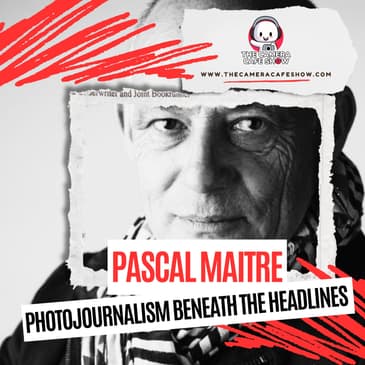

For decades, photojournalism often meant far more than simply taking pictures. It meant returning again and again, spending time with people, building trust, understanding history, and sometimes finding yourself crossing borders at night in disguise just to reach the story.
In this episode of The Camera Cafe Show, I sit down with Pascal Maitre — one of the great long-form photojournalists of his generation, whose work over the last forty years has taken him across Afghanistan, Somalia, Congo, Ethiopia, Sudan and more than forty countries throughout Africa alone.
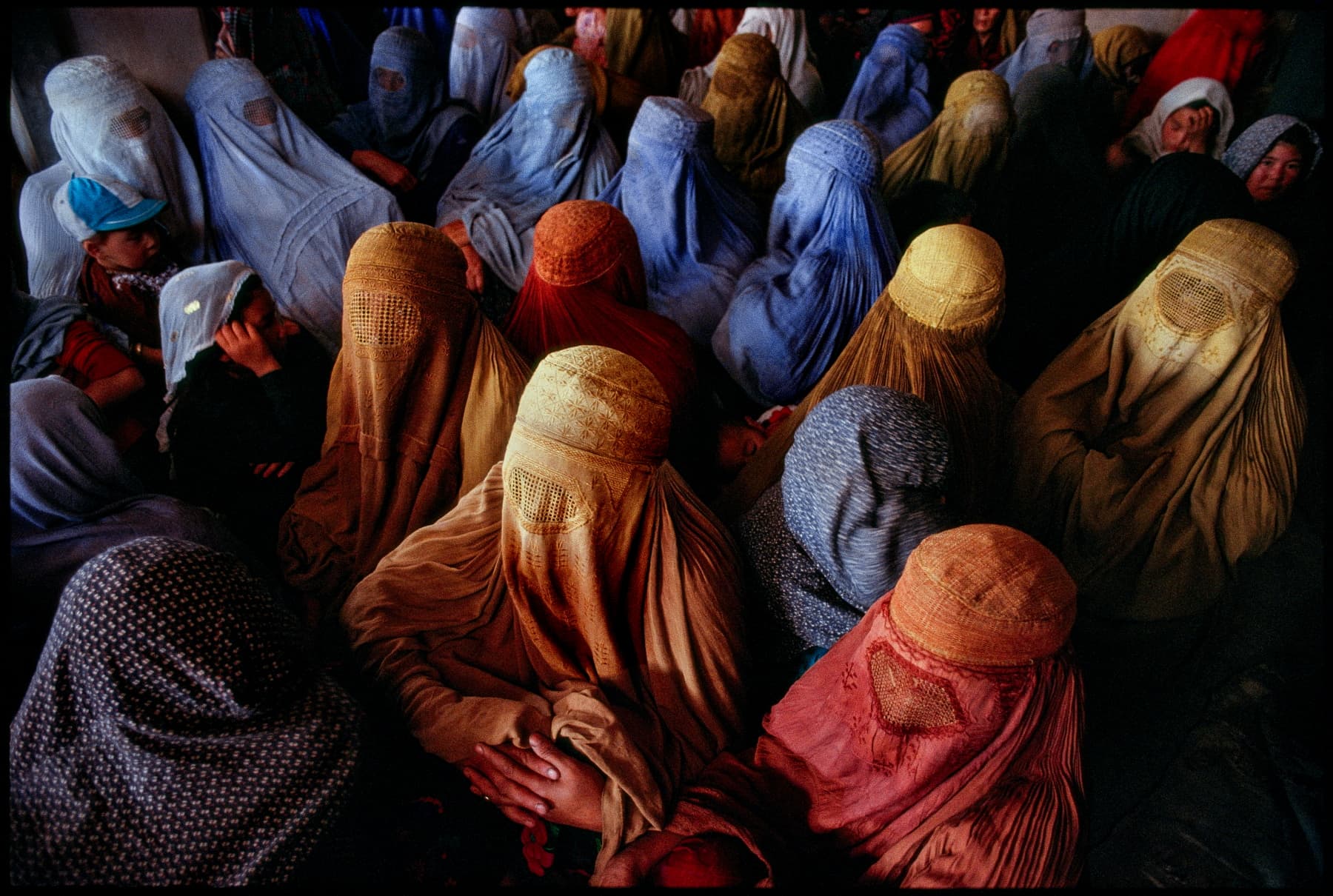
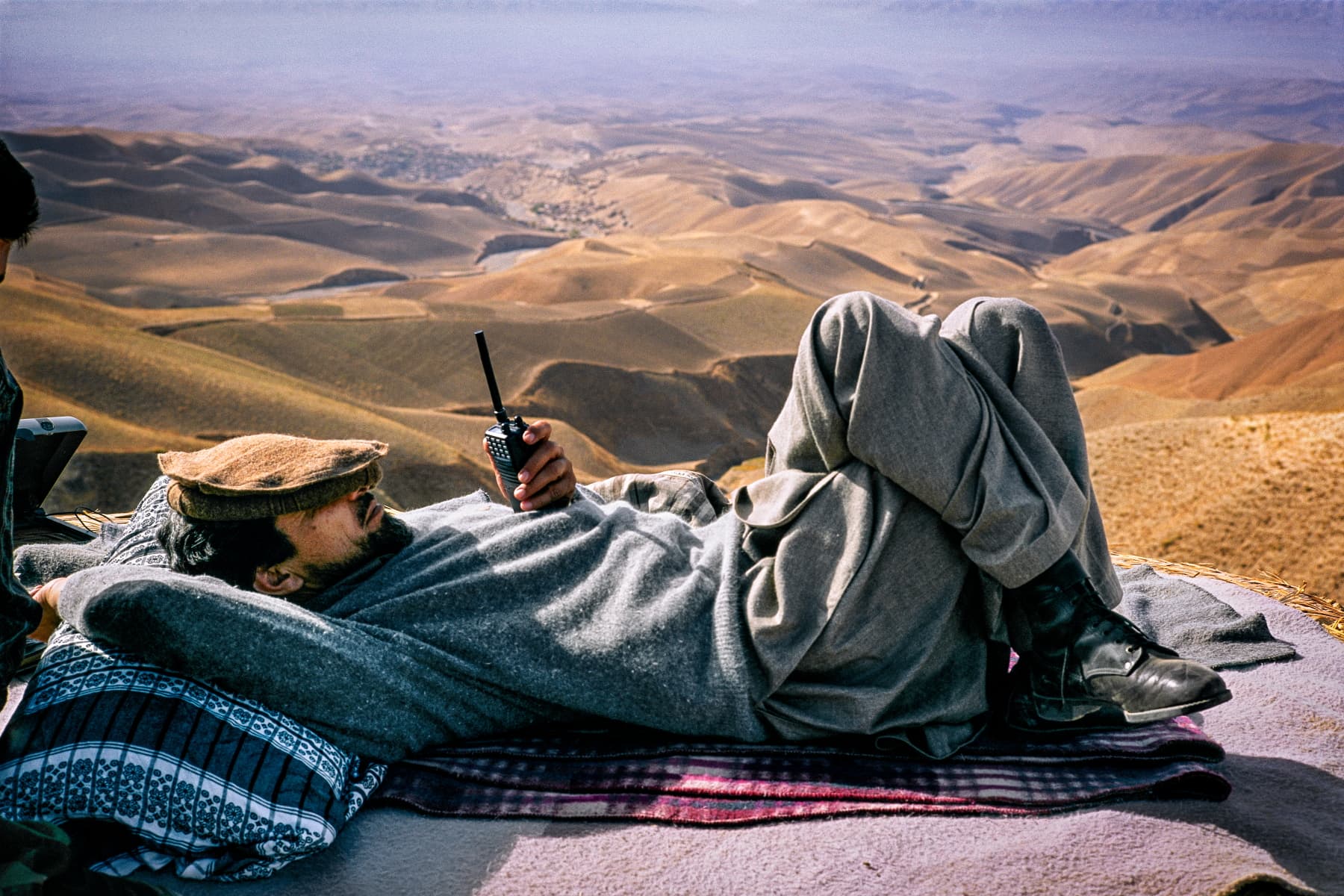
From walking with the Mujahideen during the Soviet invasion of Afghanistan, to documenting dangerous daily life in Somalia, migration, conflict, energy poverty and the global charcoal crisis, Pascal shares incredible stories from a lifetime spent trying to photograph not only events… but the human reality underneath them.
Over the years, his photography has appeared in major publications such as National Geographic, Geo, Paris Match and Stern. He has won multiple World Press Photo Awards, received the Visa d’Or d’Honneur for Lifetime Achievement at Visa pour l’Image, and today he is also a Canon Ambassador.
But beyond the stories themselves, this conversation also becomes a reflection on curiosity, patience, journalism, trust, and how much photojournalism — at its best — still depends on understanding people rather than simply chasing dramatic moments.
And somewhere between Afghanistan, Somalia, Kodachrome, fixers, charcoal, and decades on the road, this also becomes a conversation about a generation of photographers who often had to spend months — sometimes years — trying to understand the world beneath the headlines.
Grab a coffee, settle in, and enjoy my conversation with Pascal Maitre.
*****
📸 See more of Pascal’s work:
https://www.pascalmaitre.com/
*****
🎧 Got any questions? Email us
Thanks for listening and look out for our next episode! 🚀
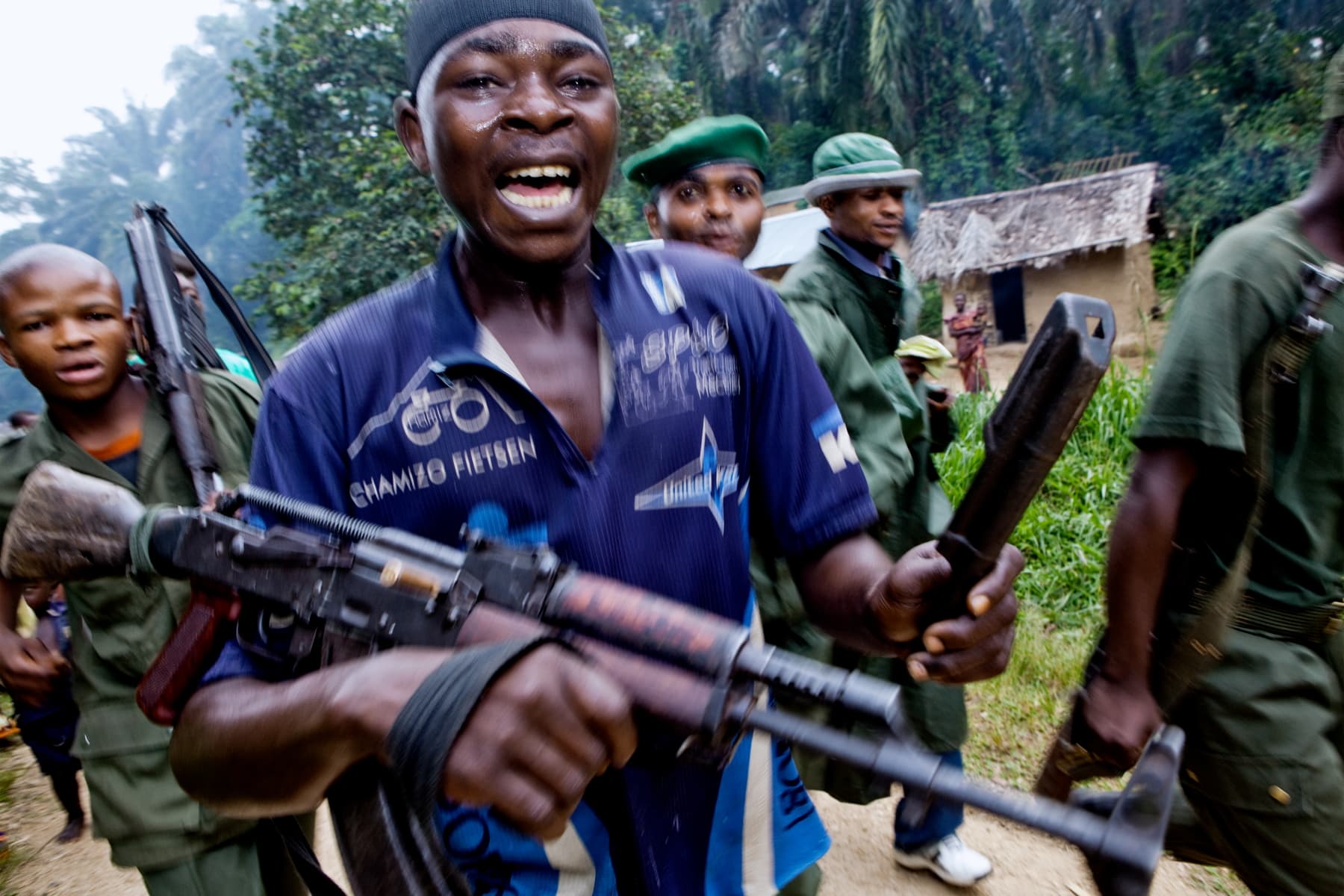
[00:00:04] Because what is important, especially when you are in a very dangerous place, you have to know what is going on. To decide, I do, I not do. And to trust some people. And you are really in alert all the time. And at this time Mogadishu, it was really terrible. I think it was really one of the most dangerous places, to be frank.
[00:00:29] You need to have escort. You need to have take care of everything. Never say what you will do. It was really tricky. And at this time, the Islamists take the power. And I knew two, three fixers who start to be good friends. And this is why when I spoke with Chris, before I have checked with the fixer what we can do, how we can do, how we can manage.
[00:00:56] And I have an idea how to prepare the story. But it's really tricky. And during this trip, I was with a writer, Robert Rapper, who is a writer for National Geographic and also for New York Times Magazine. And we were together. And they prepare an attack for take us in our stage.
[00:01:19] Greetings and welcome back to the show. Some photographers chase moments. Others spend decades trying to understand what's happening underneath them. Because long before instant uploads, GPS and social media, photojournalism often meant spending real time on the ground, returning again and again, building trust, learning history, and trying to understand the complexity behind the headlines.
[00:01:48] I'm Tom Jacob, and this is the Camera Cafe Show. Today's guest, folks, is Pascal Maitre, one of the great French photojournalists of his generation, whose work has taken him to places such as Afghanistan, Somalia, Congo, Ethiopia, Sudan, more than 40 countries throughout Africa, and worked in South America, Russia, the Middle East, Latin America, and numerous other regions over the last four decades.
[00:02:13] And with this 40 years of walking through continents with his camera, his work has appeared in countless major publications, such as National Geographic, GEO, Paris Match, Stern. He won multiple World Press Photo Awards, has received the Visa d'Or d'Honneur for lifetime achievement at the Visa Pulli Mash Festival of Photojournalism, and he is a Canon Ambassador.
[00:02:36] In our talk today, we will walk together through past projects and assignments from Afghanistan with the Mujahideen, documenting dangerous daily life inside Somalia, to nowadays the migration, energy poverty, conflict, and struggles across Africa, or the global charcoal problem around the world. Be ready for some great stories of someone who has spent a lifetime trying to photograph not just events, but the human reality underneath them.
[00:03:02] And, of course, beyond all their credible stories, this becomes a talk about trust, curiosity, journalism, patience, how photojournalism has changed through decades, and why understanding people still matters more than simply taking pictures. Grab a coffee and enjoy our conversation with Pascal Maitre. Some photographers, they chase moments. Other photographers, they want to try to understand the world underneath it.
[00:03:29] My guest today has just exactly done that. Through wars, collapsing systems, long journeys from Afghanistan to Somalia, to energy poverty, migration, all across Africa. Pascal, nice to have you on the show today. It's my pleasure. Thank you. Pascal, before we dive off into the wilder world, where do you live in France somewhere? Now I live in Paris, but I grew up in a very remote place called Le Berry.
[00:03:57] Paris. You don't know. Nobody knows. That is a place where I really love it. It's in the center of France, exactly in the middle of France. And I grew up and I stayed there until it's a countryside place. And I stayed there until 24. But nowadays, Paris is still the city of Amour, like in the 60s, or has it changed? I don't think so. Paris, it starts to be rough.
[00:04:26] Living in Paris, the people are tough. I feel it is romantic for the foreigner. But I am not sure. Living in Paris, you have to fight all the time. And the people are not very friendly. Yeah, it's rough, I feel. But I like it. And in France, for my job, you have no other option to live in Paris. You should live in Paris. Of course.
[00:04:55] Everything is in Paris, unfortunately. Everything is concentrated in Paris. But it doesn't have wine. We are having wine for our drink or water? I have water. Do you have wine? No water. No Bordeaux. Pascal, you spent all your life traveling to very far, remote places. What's one small thing that now makes you happy at home? What I like. I like to read.
[00:05:23] I like to eat, sample things. I am a look documentary. I am quite a simple guy. And your suitcase, because Tom Valise. My Valise. After decades traveling, airports, long journeys, checkpoints. Yeah. Your suitcase is very organized or it is chaos when you make it?
[00:05:49] No, I have a special suitcase for traveling. It's one I don't use only when I travel. It's all. It's me and everything in. I have everything in double. Like this. I just change, of course. It depends on the climate where I go. And I can adjust. But mostly I have my suitcase for traveling where everything is in.
[00:06:17] When I come back, I clean everything, close the suitcase, and then I can leave very easily to another trip. And it's the same for my gear. I have a bag. Everything is in. Not too much. So it's cool. Not too much material. I bring one. I have three cameras. Two I use. And two lens, three lens. It's it.
[00:06:47] Me, I shoot in cannon. And yeah, I like it. It's very. Now we are lucky because cameras are so good and so easy to use. I used to shoot thousand, hundred thousand slides. And slide, it was very precise. The young generation don't know how it's easy to work now. You can work 20,000 ISO.
[00:07:16] You can do anything you want. It's terrific. It's fantastic. Yeah. I will never regret analog. I was not going to ask about gear, but this slide, you were shooting with Kodachrome 64, Pascal. Yeah. The different, I like also the Kodachrome 200, who was very good because this film has a very short contrast, low contrast. And like in Africa,
[00:07:46] you have sometimes lights are very harsh. And I use the three, 25 ISO, 64 and 200. Yeah. Mm-hmm. Most photographers from this era I talk about, they are not very fond of Kodachrome because it's a very finicky film. It's a very difficult film. Oh yeah. It's very precise. And you are, but it's good school
[00:08:13] because when you know to expose Kodachrome, you, you have never any technical problem after. Yeah. And because he's very, you cannot change. You can push, you can change the sensibility. Kodachrome not. It's fixed. Yeah. You have to be very concentrated. But it was a beautiful film. Mm-hmm. Can it be, Pascal, that you only changed in 2008?
[00:08:43] Yeah, yeah, Yeah, absolutely. It's very late, no? No, it's very late. It was the end of Kodachrome. They finished in 2008. And for me, it was, I was quite worried about going to digital because I get quite a lot of work because I knew very well how to handle the slide and all the colors. I knew perfectly the film. I knew in which condition,
[00:09:12] what I can get with the film. And suddenly, finish. And he's, for a painter, you will say, oh, you will not get this blue, you will not get the anymore. It's finished. And I was quite worried, but finally, the change was quite easy. Yeah, it was a big gap, huh, for a guy like me, huh, who, and it's funny because now, many people want to go back to analog.
[00:09:43] Mm-hmm. And I just regret one thing because when you read some article about this, they never ask people like me who have done thousands of analogs. They're always new people. And I understand, if I was a new, young guy, I would like to see what is analog, what was. But they never ask us, who have used a lot,
[00:10:11] if we will go back to analog or not. It's interesting. Yeah. And, yeah, and deeply, this is not important. The only thing is important is what you put. You can register maybe in a wood, in a piece of paper. It's not a problem. It's a film. It can be, what is important is what you will put in your picture.
[00:10:39] When you have this in your mind, you are easy to switch. Just, you have to handle the technology, but after it, it's you who drives the picture, who put what you want in. Mm-hmm. Voilà. It's why, it's why you are here tonight. Yeah. Let's walk a bit, let's walk a bit back. So, you grew up in this small town in France. called Bussenset. Bussenset.
[00:11:08] What is the thing you most vividly remember, or what kind of boy were you when you were small? Ah, I, you know, like many people who come from a very remote place, you want to see the world. You want to escape from the place. And I come from a very simple and rural family. My father, grandfather was blacksmith.
[00:11:37] And my other grandfather was a small farmer. It's mean I grew up with going to the farm, work with my father to the blacksmiths. We go to poach at night to some fish. And I grew up in very, I would say very village place, very village life. And yeah, I think I was curious.
[00:12:07] This is one of the key. If you want to do this job, you have to be curious. And I think I was very curious. Yeah. And I want to see the world. At 18, I went alone three months in India to travel all around India. And I start to make slides. And it was my pleasure. And I love taking pictures. Finally, it was very easy because I did what I like. I can make my job.
[00:12:38] It was easy. Yeah. I have no hesitation. I make a very short university of psychology, but I never finish. I switch to photography. It was really the thing I would love to do. And finally, I make it. Because where do you get the camera from? When it started? When I was a student, I have a job. I don't know in English.
[00:13:07] I have to take care about other students. Okay? And I was paid for that. In France, we say surveillant. In lycée, college. And when you do that, you are paid also during the summer holidays. Without work. Because you are like a teacher. It's the same route. And with this money, I start to travel. This is how I make a trip.
[00:13:37] First in India. After I make a trip in Peru, Bolivia. And after I make a trip in Afghanistan. And when I come back, I have slides. I make a small conference. I show my picture, my slide. And finally, one day, the ladies who take care of gypsies saw my conference. And she said, ah, listen, I have a big association who take care of gypsies.
[00:14:07] I would love if you can make a documentary for me. I will not pay you, but I will buy you some pictures. And I did this during one year. It is how I stopped the university. And during one year, I take pictures about gypsies. and after make my military service in Paris in the photography department of army.
[00:14:36] And because at this time, you have to do one year military service. You have to. I did that. And after I stay in Paris. And in 79, I was hired by a weekly magazine that's called Gen Afrique. It's a weekly magazine who is specialized about Africa. And there was a chance to be salaried by the magazine. And the magazine started to send me in Africa. It is how I started
[00:15:06] to know Africa. I was quite lucky. It was not too difficult. difficult. I do that three years. And after I joined the staff of Gamma, who was a big agency at this time. I was staff of Gamma. And yeah, it's how it works. You keep on saying, Pascal, it's not difficult, but you started in an era no internet,
[00:15:36] no phones, no GPS. Yeah. It really has to shape you as a photojournalist in that time. Ah, yeah. And you have to be, you have, to be a photojournalist, first you have to be very curious. I think you have to like the people. You have to have a lot of energy. Never resign. And always do, go and do. And be interesting about geopolitics. Yeah.
[00:16:07] when you have done his look is not too difficult, but it's a long process, I will say. It's step by step by step. And the world and the people interest me a lot. Yeah. But then, of course, it's not only shooting pictures, because then you start to work for agencies and there is a lot more things that you have to learn when you work for agencies. Yeah. Because you always don't need the story when you want to make it. Yeah.
[00:16:37] I have a chance. Okay. When I was in the weekly magazine, I learned journalism. Because I was part of a magazine. It means I went to the conference. I can see how it works, what can a good story, not good story. I really worked my part. We say in photojournalist, you have two names. You have photo and journalist. And I would say I will learn my journalist part in the weekly
[00:17:07] magazine. And after, when I get to Gamma, it was big agency, very professional. It means you have to be, you learn also how to make a story. You are editor-in-chief. And I make news at this time, they send you. I went in Libano during the war. I never been in Libano. The morning you go there and you learn a lot of things. You be very professional. And at this time, there was
[00:17:36] quite money and many magazines, big magazines give money to the agency. Like Time or Newsweek. And when you go for the agency and directly for the magazine who gives the money, you cannot fail. You have to bring back the picture. and you don't have to sing too much. You have to do it. And it's a good school. A school of very strict, very professional. Yeah.
[00:18:07] Yeah. It was interesting. Yeah. We have to start the exciting part now, Pascal. Now, I have three or four projects in mind. Let's see how far we get. First, let's do Afghanistan because it's the longest away. 1975, something like this. You went to Afghanistan? 1976. What drew you to go there? How you got there? It was, I went by plane. I make a trip
[00:18:36] in Asia. I went during this trip, I went in Thailand, Burma, and India and Afghanistan. I make a trip and it was a time where we spoke a lot about Afghanistan because there were a lot of hippies who make the road from Europe to Afghanistan and we start to see some pictures there. There were a couple of French people, Les Michaux we call
[00:19:06] Sabrina Michaux, who make a lot of stories about Afghanistan and we can see the picture was printed in National Graphic Geo and you can see how this country was crazy and I was there a short time, 10 days, not too long. But I really started to work in Afghanistan in 1985 when I was in Gama and it was during the Russian invasion and at this time it was
[00:19:36] quite difficult because we have to go to Pakistan and after to walk at this time I walk 1500 kilometers going back it's a lot and we walk at night because there were a lot of spies and we wear African clothes
[00:20:05] beer we don't talk because of course we don't know the language for the people don't discover there were some foreigners and the time when you can take the picture was very short it was quite frustrating because you cannot openly take picture anytime because at this time the Russians said if they get some foreign journalists we will not try we will kill them
[00:20:34] you have to really take care but it was very interesting because you go with a group of Mujahideen and you live with these people you work 1500 with the same group and it's very interesting because it gets you a chance to have some intimacy to see and the people forget you also it was interesting and after I went many times I went in 92 when Kabul
[00:21:04] collapsed about Kabul for Gale and I went in 96 I think I was one of the last to shoot the Buddha of Bermia I went in 96 when the Taliban take Kabul and this time I make a large trip all over the region for French I spent two months I went in different parts I went quite many and the last time I went in Afghanistan
[00:21:34] it was in 2022 it's not too far when the Taliban come back Pascal you feel every time that the country changes emotionally when you go back yes there is some time was very rough at the time I feel was very sad and rough it was after the 11 of September when American and all the different countries went in 25 different armies
[00:22:04] there and you feel again was not anymore in their own country and they were very sad it was quite terrible and last time I went there I think 2022 it was interesting because it was the first time Taliban went back and it was the first time in 40 years there were peace and you can travel everywhere they were not
[00:22:34] war and even the Afghan it's difficult to say when you are not familiar with Afghanistan but you can travel everywhere even the population can go everywhere and you can see at this time in the hospital there were a lot of people from the countryside who before cannot come to take medicine because it was too dangerous and it was interesting
[00:23:04] now it's more difficult for the press now they start to be very restricted again and now the very tough side of Taliban have taken the power and this is why for the woman it's more difficult for everything you just went in a good time period there yeah yeah it changed a lot after yeah it changed a lot and what I heard because I was
[00:23:33] not back is very difficult for journalists to work now again they start the stupid law where you cannot shoot any human or any living but it was like this also in 96 98 99 it was already like this where you have always some guy from the ministry of information who look what you are shooting it was very difficult at this time
[00:24:03] also and I think I am maybe on the few guys who have shoot from 85 until 2022 but I like the country I like the people it is a strong country strong geography very welcome people is of course very difficult for the ladies for the women the conditions are terrible but globally
[00:24:33] these people are really very when you are strangers they really take care of you and it's also a trip of another world another century when you travel in Afghanistan and it's not too dangerous you can see there were not too many hostages you were not not too many journalists was
[00:25:03] keen it happened of course but not too many we can if you make comparison with other country yeah you know what it reminds me now Pascal when you say you grow a beard and you walk on foot I
[00:25:40] two or three thing he went in 81 or something yeah I went in 85 but I met him in 92 and also in 2006 in Kabul he was working in Azar story in 2006 and yeah yeah but Steve I don't think he went back from few years now he don't went back from the Taliban recovery
[00:26:10] you also have a picture from how it's called Ahmad Sam Ashut oh yeah yeah I meet him twice one time in 92 and in 98 and I was lucky because I can spend three weeks with him every day because at this time it was five percent of
[00:26:40] Afghanistan he controlled he was really surrounded by Taliban everywhere and for get to him you have to first fly to Tajikistan and wait until an helicopter will go to him to carry maybe money carry a gun and after when you have the chance to arrive at the place where he was you can stay with him and it was quite
[00:27:10] easy and I was lucky because there were two Polish guys in Tajikistan in Dushanbe who go to see Masud for buy emerald the stone and Laks they were the dealer for the emerald of Panshi Masud sent an helicopter for them and we took the chance to go with them you know you need that sometimes yeah
[00:27:39] he made an impression on you Pascal oh yeah it was it was very of course charismatic but also quite simple very simple very easy he take care of you it was very simple it was easy going of course he have a very big charismatic but he was very respectable of you of the people
[00:28:08] he was a very strong strategic guy and what makes me funny what because we fly many times in helicopter because like he have different point control but he cannot go by road because in the middle there were Taliban and we have to go in helicopter and at this time he make a bomb what is in English like a chair between the two
[00:28:38] pilots and he was there and he asked the pilot to go down in the river he was looking all the geography for the future attack and he was always looking ask come back to see if there is a time see when you have the chance every day with a guy like this is cool
[00:29:08] because you already see how he is living how is a strategy one day you cannot come in the helicopter but take the second helicopter because I have some Iranian people who want to come and I don't want they know there were some foreigners and it's interesting today you see how he prepared attack how he have to take care about all the logistics even people
[00:29:37] come they have no anymore choose some shoulder he make not please go to take some choose it was taking care of everything it was yeah when you have time it is fantastic when you are a reporter because unfortunately now there are not too much money and the magazine don't send very long long time with the people
[00:30:07] and when you have time you can go to more deep in the thing and you can explain how it's complex it's never black and white and when you have no time you go directly to show the basics thing and when you have a lot of time you can make all the details the thing to make everything can be more easy to understand it yeah of course
[00:30:38] next one Pascal Somalia now when I talked to Chris Jones he told me that he asked you Pascal are you sure you want to go to Somalia because this was not long after Black Hawk down yes and what you remember about preparing this trip okay I went I think in 2002 for German GEO to do portray of
[00:31:07] Mogadisho and at this time Mogadisho it was really terrible I think it was really one of the most dangerous place to be frank you need to have escort you need to have take care of everything never say what you will do it was really tricky and I went also in 2006 after and at this time the Islamists take the power it was what we call tribunal Islamic
[00:31:37] it was also very tricky but I have a lot of contact like I spent time the key of fixer fixer and what is what facilitator is the guy who can take care about your security your translation your knowledge we can arrange and help you and I knew two three fixer who start to be good friends
[00:32:07] and this is why when I spoke with Chris before I have checked with the fixer what we can do how we can manage and I have an idea how to prepare the story and what we can do and this is how I proposed to Chris but it's really tricky and during this trip some guy organized for
[00:32:36] take us I was with a writer Robert Rapper who is a writer for National Geographic and also for New York Time magazine and we were together and they prepare an attack for take us in and at this time I was a very close friend with the fixer he told me I will not go today because I have some friend who is close to
[00:33:06] the Islamist and where we go I would like to show if can help us and send us another protection another escort and finally the day we should go he cannot make it we postponed for two days and when we arrive at one point where they prepare to take us in that state the other group of escort from
[00:33:35] Islamists join us and seven guys with guns and two other group arrived who were maybe 20 25 gunmen but unfortunately behind us in another car with a smaller
[00:34:05] escort there were two young journalists one Canadian Amanda Linda Wood and one Australian photographer and finally they take them in a state like they cannot take us in the exam in a state and they stay 16 months of a state it was really terrible and Somalia is really tricky you really have no make mistake at all but I did it we did it the story
[00:34:35] and I get the magazine award in America for this story I made three trips this year in Somalia but you need to know to understand the country because what is important especially when you are in very dangerous place you have to know what is going on to decide I do I not do and to trust some people
[00:35:04] and you are really in alert all the time and with the information you can there I suppose you do your preparation very good before you go but this can change 100% once you are there because maybe you can only go to one place you want to shoot one time yeah and one
[00:35:33] I don't know if it was the time I go for national geographic yes one of the trip the fixer called me have you received my message I said no he said I sent you a message to tell you don't come and I said no I was in the plane and he said the problem American with a drone kill the military chef of Shabab El Shabab
[00:36:03] this night and you will be the only foreigner in the city and this is very dangerous and I tell him what we do he said okay stay I stay in the hotel where there were bodyguards I you are bad you are Shabab we are
[00:36:33] family connection all these things are mixed and he said I know some guy who was in power Shabab power I will ask them he went and they say okay listen during one week we will not make any trouble because we are in the morning but after one week you have to take care and the second thing they said don't go where there is many people because we
[00:37:03] cannot control everyone and we work but very carefully of course we don't did what we have planned but we did some different thing and one day I find a guy who was filming me and okay we catch the guy and we asked him okay what oh he said I was surprised they were for the day after second guy and this time I said I left and I have
[00:37:33] to give him and yeah you are ready to to adapt a story you adapt always because it never works exactly when you want preparing the story is really something essential and I feel we never talk about this but it's 50% of the making is the story success of the story you really have and the fixer is
[00:38:03] really the key I always tell a story about the fixer the fixer I was working is still working and now it's funny I saw recently he post now you have tourism in Somalia you have some crazy tourists who won't go where is the most dangerous place you have in Kabul you have in Somalia and now I saw he post some picture
[00:38:33] with these American tourists in Somalia and one day there was a big famine many people died at this time and we went in one hospital a kid will just die and the family have no car for bring back the kid the body of the kid where they live to bury it with fixer we decide to
[00:39:06] when we arrived in one place there were many people around us and we have some I was with the body guard and I took some pictures and suddenly the fixer said Pascal we have to go and normally he never pushed me and you know the photographer who have never finished say yeah wait a minute and I
[00:39:36] he said you have seen a guy who is handicapped behind us I said yes he told me this profession is taking hostage you have a cage at home and you put some hostage because we always talk about foreign hostage but you have a
[00:40:07] and and he asked him which nationality is your guy and the fixer said ah he's a Romanian guy and he tell him don't don't take care because Romanians have no value nobody take care of them nobody would take care of them and he said we will come back this afternoon and okay and finally he clever and after I
[00:40:37] asked him why you say I am Romanian I said during the restore operation when many Americans but also many countries sent some army guy the only one who had nothing it was the Romanian and the children said they don't have even candies for children should be very poor these people and just to say how a fixer can help you and save you
[00:41:07] something also you say that the most difficult part is to be just in the place where something interesting happens Somalia is the ultimate example of your philosophy no oh yeah because Somalia is very difficult each thing is difficult it's you have to take care you have to go there is always what is
[00:41:37] difficult when you take picture especially when it's dangerous when there is trouble if you don't push too much go too deep you will not get good picture but you have to stop not to fail it means not to be arrested not to be for bring back to the picture the access is the key taking picture is easy if you have something very interesting everyone
[00:42:07] can make a picture to get the access to understand why and how to get it this is the most difficult and you have to find the key to be there and sometimes the key is difficult you have your good fixer oh yeah fixer and slowly when you go back time to time fixers start to be friend and of course when he get in trouble you can help him also
[00:42:37] just one time he had to flee Somalia he went in because the story we fixed for New York time and the government of Somalia was not happy he had to escape and of course in this case he will ask to the different journalists who can help him and slowly you have a friendly friendly relation and
[00:43:06] when you do this job you have to never forget the world the people are your partner you work with them you are all together alone you are nothing yeah Pascal let's do the Albertine Rift story yes this is different this is wildlife population pressure conflict migration environment yeah
[00:43:34] what drew you to do this story me I have not done the wildlife piece there were another photographer Joel Satorre we did the wildlife me I did the conflict part the man the rape of ladies all was the human effect of the conflict part it's also not a very easy place to work but I
[00:44:04] go to the Congo from 1980 it means I know I worked 45 years on this place and I have quite a lot of contact also and I quite a knowledge about this it was difficult but not too difficult to manage because this story you make this with Robert Draper yeah well we make I think
[00:44:33] I work yeah practically always with Draper with Robert maybe another story I don't need and it's important also to know the writer to understand because some of course like you said at the beginning it's never work like you expect and you have to take decision and not always easy decision and it's good to know each other it's very important yeah but you work Joel Sartori
[00:45:03] he was there with you at the same time no no we were separately totally and he was not at the same place he worked mostly in Uganda mostly yeah for the wildlife no we were geographic normally you are really each even with a writer like like the reef valley I make three or four trips and
[00:45:33] Robert the writer make one trip because they think you need more time for photography and sometimes we work not at the same time but we spoke about the same story the same idea but the picture will not make illustration of the writing
[00:46:02] each one has his own language the writing has its own language and the all together make the story more rich because this story Pascal is not like one single subject it's like systems that are under pressure there is that something you look for multiple stories
[00:46:31] yes it depends on the story but I like this because you can explain a complex city of what happens and when you do geo magazine story you need to touch different aspects to make a puzzle who all the puzzle will show you what is the situation but sometimes it's only
[00:47:01] one story I did a story about charcoal and it's only I don't did for geography because it was planned for them as a new editor in chief he felt the story was too sad but what is interesting you know how many people each day need charcoal for cooking in the world no idea
[00:47:31] 2 billion 500 thousand a and it is 50% of the deforestation of the world and I like the story like this because nobody really takes care you never heard the story about charcoal and it's funny because when
[00:48:01] I did for French different magazines I shooting during 2-3 years different not only this but at different spots and always when I have people asking how you are working about what I say charcoal everyone was laughing oh yeah barbecue and you said no it's more deep of this and I did another story why like it also when I come older
[00:48:31] I would I like to do story nobody really take care like charcoal and I 700 million of people in sub saharien africa live without electricity how and this is the biggest problem of development and this type of story is interesting because you touch security education health
[00:49:02] work migration because people leave village because there is no electricity no job and you can touch many different topics on the same story and at the end you make deeper stories I like this type of story who I will say I will be in alert about story was not really covered and it's easy for me because when you travel a lot and
[00:49:31] you listen about what electricity there is not one day in Africa I never heard someone spoke about this problem it's a crazy it's touch everyday life of the people everyday this is what I like also to work on story like this and how hard is it to
[00:50:01] convince an editor to say I'm going to make a story of no electricity in Africa it was quite difficult I did first for French magazine Figaro magazine and the editor in chief said okay I like you but I don't know how I will convince my boss to do a story without light
[00:50:31] okay and finally it's work and I get a prize grant for finish your story about the French development agency yeah and if you do a story like like your charcoal story Pascal yeah you have any idea when you start this that it's it has many layers it
[00:51:04] any idea what you're getting into when you started no it's always come it was I start by Somalia I at this time I went every year two three times in Somalia and each time I was there I saw lorry big lorry full of charcoal and one day I said there are few trees in this country what is wrong where is going this charcoal I make some research and I
[00:51:34] see the people who take care about this business was the shabab the Islamist side and they get 50 million of dollars about this business each year I was surprised and after I looked where they sailed in Qatar in Arabi Saudi in the Gulf and it was bizarre you feel
[00:52:03] something is wrong because in Arabi Saudi you have no tree and if there is very small you cut you go in jail and they make this country totally destroy the nature and if you push your reflection you say okay the Qatar is a buy charcoal did they give money to shebab or maybe give them some gun I don't
[00:52:33] and I start to make an investigation and I want to do story about Somalia but you cannot make it I make some picture when I saw the lorry but you cannot make it because the zone where there is a big business it
[00:53:06] charcoal and of course when you travel I saw many places on the road where people sell charcoal and I make the research and I discover the number of people who use it and what is terrible is more used in a big city like a city in Kinshasa in the capital of Congo 95% of the people cook
[00:53:36] with charcoal and now you have 17 million of people and the population will double in 30 years and if we don't have any solution I don't know how many trees will be will be converting charcoal this is crazy something is going more and I make an exhibition I have an exhibition in visa about charcoal and after the
[00:54:05] exhibition turns you voila the story excellent let's talk about photo journalist just a little bit Pascal what's yeah it will be difficult but when you arrive in a new place what's the first thing you do the first day are always difficult because sometimes you need authorization you need to fix the logistics and
[00:54:35] of course nothing works like it was previous and what I do I meet the fixer I will arrange every logistic thing I will meet some people if I haven't time do even if now is more easy to make the research before but I always check everything
[00:55:05] and after it depends the story if I can I shoot a lot at the beginning because at the beginning you are very fresh and slowly when you go days after days in your story something you saw you have you think this is normal but at the beginning your vision is very fresh and you are very sensitive of everything
[00:55:35] I will shoot a lot and after slowly I will get tried to get in the point I need to get enough and sometimes you don't you need time to get authorization to get good contacts the people don't want picture to convince it's work what makes a good reportage story for you Pascal I will say
[00:56:05] the two examples I give you the story nobody have really done the story who have really an impact on the life of the people the story who is strong enough to make some strong picture because of course if you want to interest the public at your story you need to have strong picture you need it we are photo journalists and I
[00:56:35] feel really photography is the more difficult because it's zero or one if you move right you can call after to someone get more information you have the story if you make radio you can film hunter of beer you can film the guy with the hunter and turn and film the beer even if the guy will
[00:57:04] not kill the beer but in photography if you make a story about beer hunter you will have to have the two ones and this is another story this is more difficult but what I like in photography you are you are like a commando you are alone you are not a big crew you can move even if you are too with a writer
[00:57:34] you can move easily gear are not too big you can really go fast go deep I feel it's more easy yeah good story is a strong story with quite a lot of different aspect topic and you need to have a good picture in each part of the story because normally in the story you will have a high point where the picture are incredible and behind me is very
[00:58:04] weak and if you in expect story discover story and we are photographers we need visual story yeah the one with the best I think
[00:58:34] was Salgado Salgado never do weak visual story his story should he knew the visual will be strong and the result is strong you ever meet him oh yeah he was good friend yeah he's a small world yes it's like we talked before it's a small world
[00:59:03] you remember in National Geographic this paper they had I don't remember who they already told me who had this on his computer saying we publish photographs not excuses ah yeah yeah I think I think maybe Cobber still yeah I think because the photographer of course is difficult to be on the field and it never work you always
[00:59:33] expect more than better success and many times the photographer when you come back you start to say ah it was good but ah maybe if I was more lucky or if I was ah I can get better picture and they say listen here would be published picture but not excuse we are not interesting about excuse
[01:00:02] and this is fun but this is strong Pascal we talked before about Visa Pulli Mas you won the Visa donor in 2016 and I think George Stein Massey won last year yeah what it means for you ah at this time I think the rules are little bit changed now is Jean
[01:00:32] Francois Leroy and Cyril Louet from figure who decide but when I get him it was all the picture director of photography of the world who vote and to be elected by all the group of these people it was nice yeah it's a pleasure yeah it's cool but Visa is my family we the French people we Visa we
[01:01:02] start our career in same time of Visa and Jean Francois Leroy is really a good friend we know him from the beginning and me I was lucky I get 12 exhibitions in Visa it's a lot it's a lot but for us it was a good chance because in Visa we can normally we
[01:01:32] never saw them in the field you can see exhibitions from all around the world this is fantastic and what is fantastic is all the public who come to see exhibitions and everything is free no payment everything is free and this is rare and slowly Visa gives an education for the population
[01:02:02] about what is the photojournalist what is the world because he puts the light on some problem of topic of the world is fantastic and one thing we don't nobody knows there is one week where there is 25,000 children of school who come at Visa and the photographer we make a
[01:02:32] speech at this class during one week and this is fantastic because you are sure for the children he opened some window in the mind definitely and Visa for that is fantastic and all these things are free it is really a gift and I will always say if it was in number I will not have the same career he's in France in south of France this is
[01:03:02] good luck you come every year more or less yes so Pascal we will meet up there with pleasure we will have a nice glass of wine then absolutely absolutely to end this Pascal tell me let's go one moment back just for Chris at National Geographic yeah tell me
[01:03:31] one of the best moments you had there to end this podcast with Chris or with another photographer Chris for us it was an incredible luck because Chris is a photographer he knows the field he knows us it was the first time we have a guy from our family who get the editor in chief and he understand our problem he
[01:04:01] understands the story it was fantastic and he really protect us me protect me when I want to do something and believe it he will give all the support and it was a really great chance a great moment in the geography I think is a seminar each year there is a seminar for photographers in Washington and we meet
[01:04:30] during two three days all together and yeah it's super to see many photographers you like Nick Nick Nicole Steve all this guy and we have the chance to spend two three days to talk about our job to have fun
[01:05:00] to talk about the world this was a great moment nice yeah thank you so much for not only sharing today all your stories about your photographs but also the histories I loved hearing them and I hope we can catch up in September in Visa Puli Maja look forward to
[01:05:39] Fascal Metra Folks conversations like this are a reminder that understanding the world rarely happens quickly so much of Fascal's work comes through returning again and again spending time with people learning history building trust and slowly getting beyond the surface of what we usually see in the news and somewhere between stories about Afghanistan Somalia Africa long walks at night fixers Kodachrome and decades on the road this is also a conversation about curiosity about staying interested in people in
[01:06:09] history and in the complicated reality behind the photographs we eventually see printed on a page if you like to store more past works books exhibitions and long time projects you can find all the links back in our show notes of course and folks if you enjoyed this episode have a look at our website and don't forget to subscribe leave us a review and follow us on any podcast platform or on YouTube until next time keep shooting and keep on moving your own photography of course I