


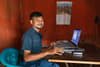
In this Untold Stories episode, we sit down with Salim Khan, a Rohingya photographer living in the Kutupalong refugee camp in Bangladesh, the largest refugee camp in the world with now living 1.000.000 displaced Rohingya people. Salim shares his powerful journey of using photography to document the daily struggles, resilience, and humanity of the Rohingya people. He is also a recipient, together with Abdullah Habib, Sahat Zia and Shahida Win of the United Nations 2023 UNHCR Nansen Refugee Award, which honors individuals or groups who go above and beyond to help displaced people. This prestigious award recognized their efforts in using photography to tell the stories of the Rohingya, raising global awareness about their plight while capturing their resilience and strength in the face of adversity.
From growing up in the camp to becoming an internationally recognized photographer while being also a volunteer firefighter trainer, Salim reflects on the immense challenges his community faces—rampant fires, seasonal floods, and a lack of access to education and healthcare—while striving to amplify their voices through his work. He talks about the deep personal challenges he faces living as a refugee and his dreams for his children, who have shown an interest in photography as well. This heartfelt conversation is a testament to the power of storytelling and the importance of giving marginalized communities a voice.
As a continuation of this mission, we’ve launched a GoFundMe campaign to support Salim’s vision of teaching Rohingya youths the Art of Photography. Our goal is to raise $3,000 to purchase second-hand cameras and equipment for his photography workshops. This will help teach youths from the refugee camps photography so they can document their stories and share their experiences with the world.
Or you have an unused camera or equipment, you can also contribute by sending it to one of our podcast offices, just send us an email—we’ll make sure it reaches Salim’s community and keeps on making stories.
Keynotes:
*Salim’s early life and challenges growing up in the Kutupalong camp.
*The power of photography in documenting the Rohingya’s daily struggles and resilience.
*Salim’s vision to teach photography to Rohingya volunteers to help them tell their own stories.
*The impact of Salim’s work internationally, including his recognition through the Nansen Refugee Award.
*His hopes for the future, both for his community and his children.
The Transcription of Salim's Episode is Available on our Website.
Want to Donate to our GoFundMe charity for Salim? Check it out on:
Our webpage: https://thecameracafeshow.com/gfm
The official GFM page: https://gofund.me/a15b012c
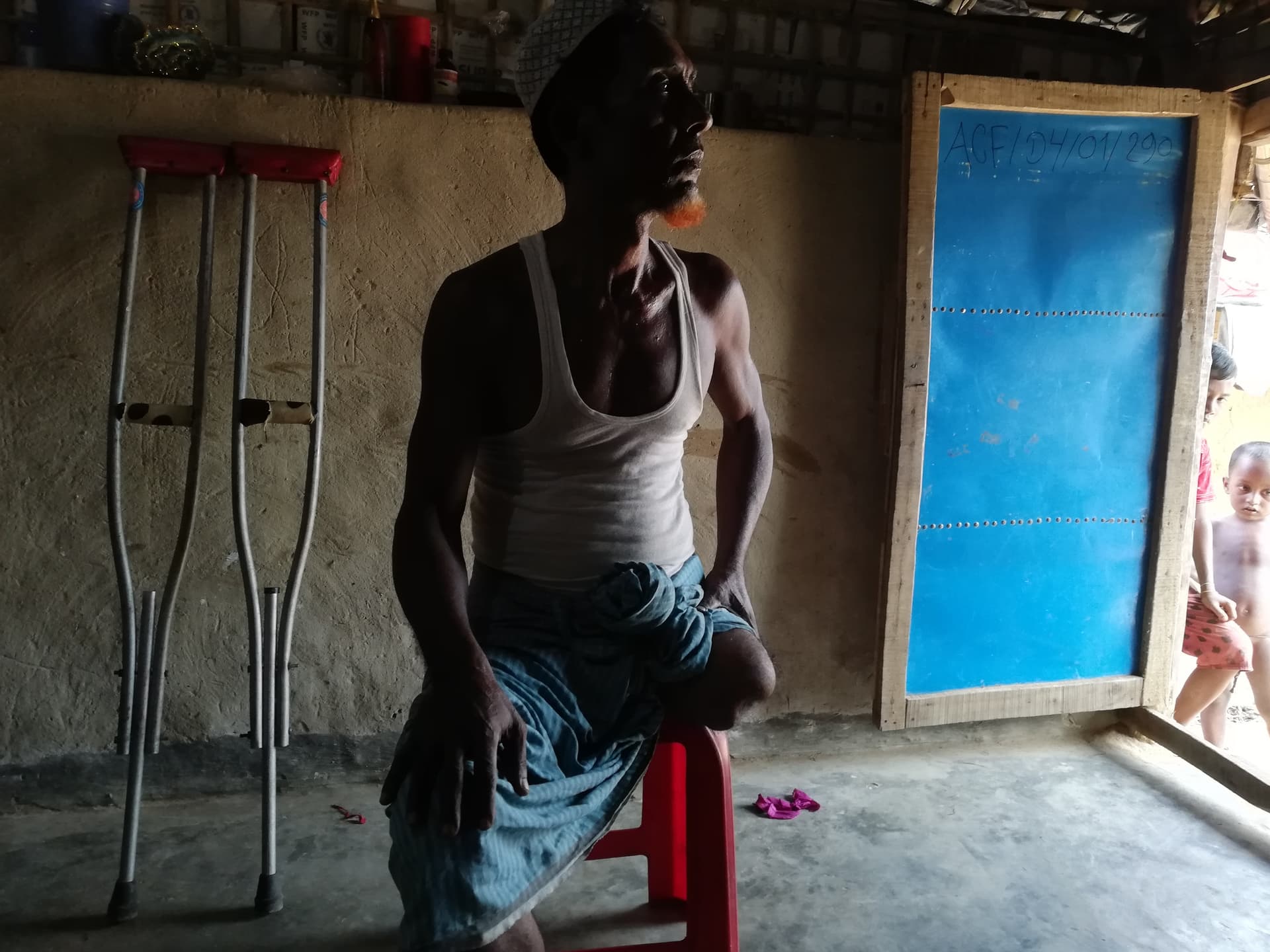
Check out more of Salim's work:
Facebook: https://www.facebook.com/mohd.brr
Instagram: https://www.instagram.com/mohammed_salimk
X: https://x.com/Rohingyasalimkh
UN Nansen Award 2023: https://www.unhcr.org/news/stories/photographs-words-and-deeds-rohingya-refugee-storytellers-weave-hope-despair
Nansen Award 2023 Youtube: https://youtu.be/WnWMGw5M50A?si=rf6cXwY0Pi9iC-_0
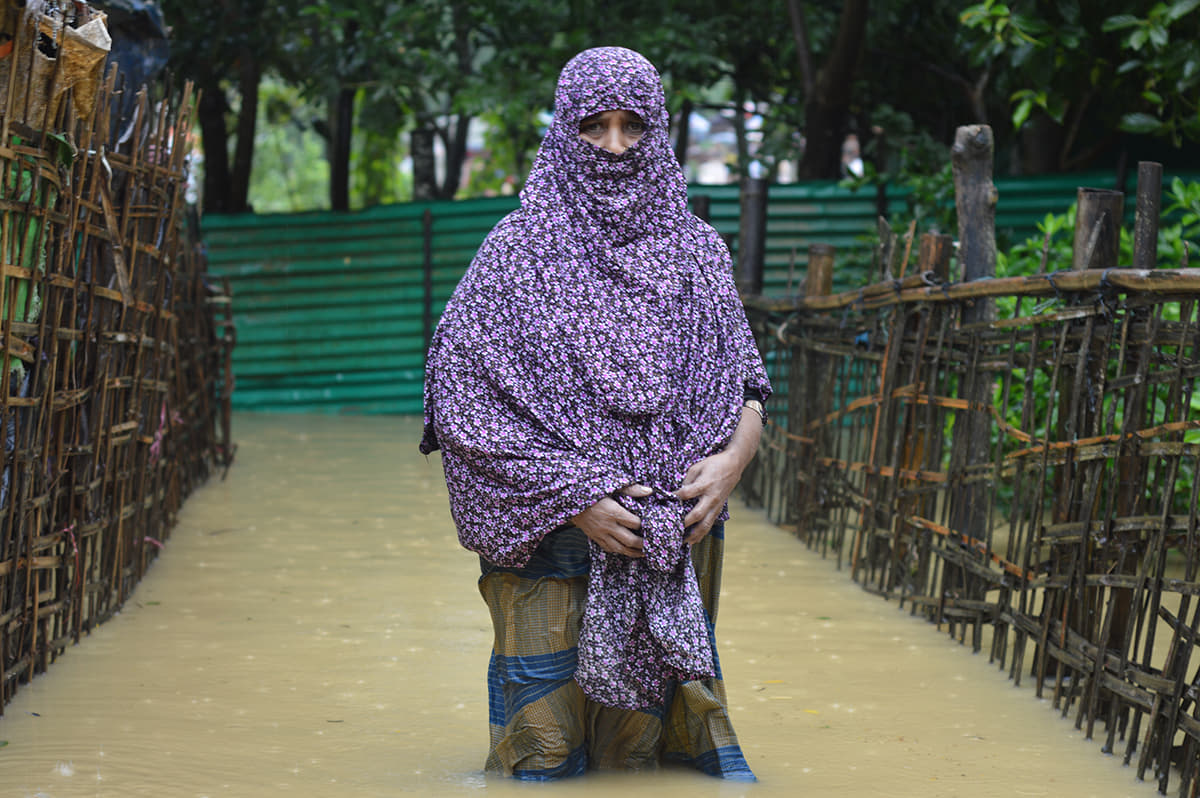
Connect with The Camera Cafe Show. Follow and Subscribe:
Website: https://thecameracafeshow.com/
Twitter: https://x.com/CameraCafeShow
Facebook: https://www.facebook.com/thecameracafeshow
YouTube: https://www.youtube.com/channel/UCgwLbH5yWiYYd-dFeu1s_vQ
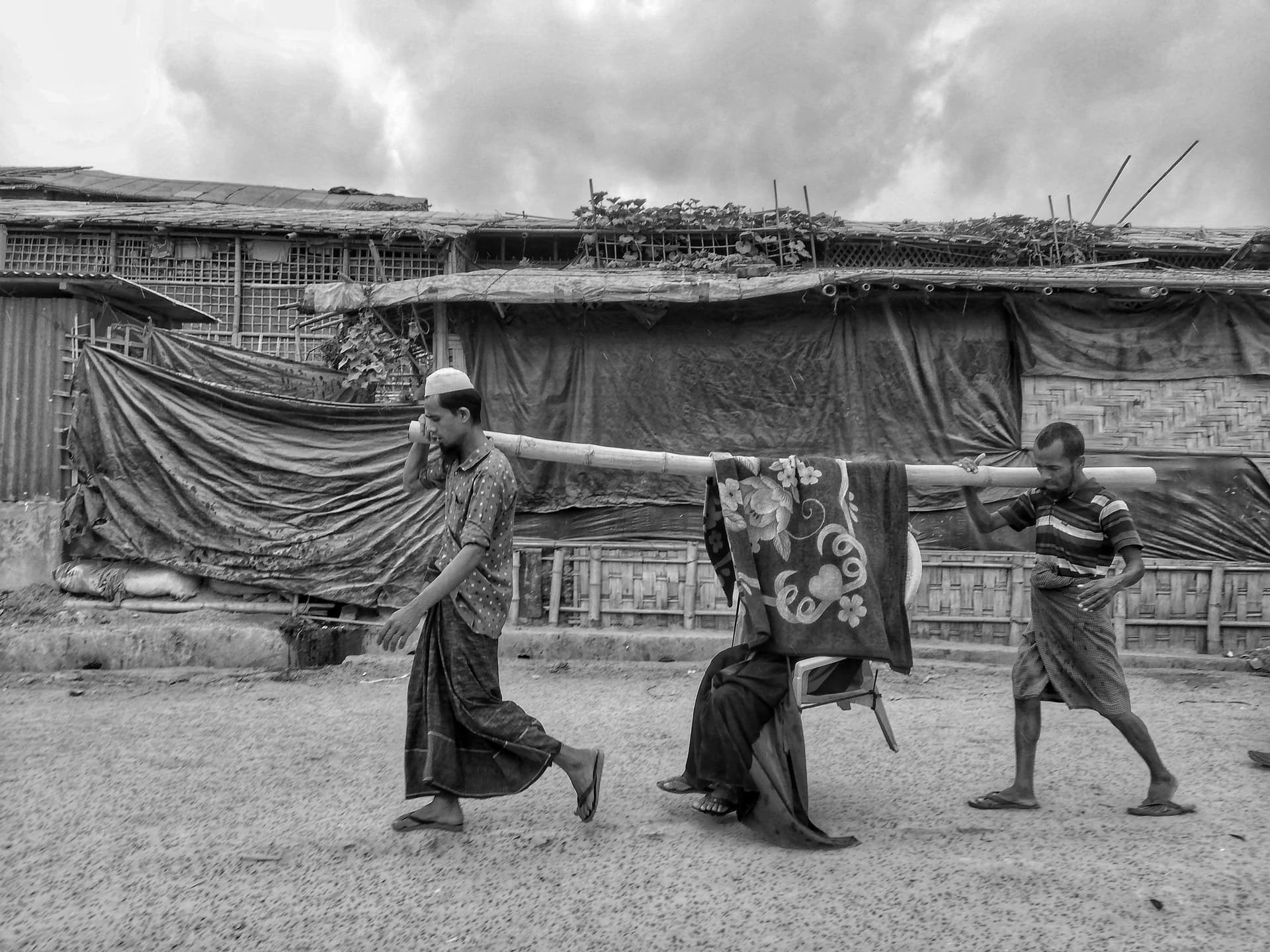
Got any questions? Email us
Thanks for listening and look out for our next episode!
[00:00:01] [SPEAKER_02]: As a father being, I'm happy with my daughters. Sometimes I have no words to explain them.
[00:00:09] [SPEAKER_02]: Sometimes I go a corner and I cry by myself. What is the fault then? What is the fault of
[00:00:18] [SPEAKER_02]: me? So you know, my second one, she really loves my profession and she always make coffee
[00:00:28] [SPEAKER_02]: when I finish my work and go to home, she always play with my camera. So I got a little
[00:00:36] [SPEAKER_02]: camera from a vision that's digital camera and I'm not using that and she go whatever
[00:00:44] [SPEAKER_02]: she like and capture to everything what is she loves and show us during the free time
[00:00:51] [SPEAKER_02]: of a lot of art I capture. You know, they will also live in same life. She will also
[00:00:59] [SPEAKER_02]: face same problem what I'm feeling. It's really hard. It's really hard. It make me happy and
[00:01:05] [SPEAKER_02]: it also make me hard. So I'm requesting to the world please try to help us when to
[00:01:13] [SPEAKER_02]: stay in this world as other human are living around the world. A life with dignity.
[00:01:20] [SPEAKER_02]: Would you know a luxurious life but to live like a human being.
[00:01:32] [SPEAKER_00]: Greetings everyone and welcome to the Camera Cafe Show where we apart from brewing up
[00:01:36] [SPEAKER_00]: inspiration, we also explore the transformative power of photography in telling untold stories.
[00:01:43] [SPEAKER_00]: I'm your host Tom Jacob and in today's episode these untold stories come in the form of
[00:01:48] [SPEAKER_00]: speaking with an extraordinary photographer whose work shines a light on one of the
[00:01:52] [SPEAKER_00]: most overlooked and little know humanitarian crisis. Salim Khan is a Rohingya photographer
[00:01:59] [SPEAKER_00]: living in the Kutapolung refugee camp in Bangladesh, the largest refugee camp on the planet with
[00:02:05] [SPEAKER_00]: more than one million displaced Rohingya people who fled their home country Myanmar.
[00:02:10] [SPEAKER_00]: Despite all the overwhelming challenges his community faces still now and where he
[00:02:15] [SPEAKER_00]: is also helping hand as a volunteer firefighter ranging from raising fires during the dry
[00:02:20] [SPEAKER_00]: season devastating flutes during the monsoon season to the lack of basic health care and
[00:02:26] [SPEAKER_00]: education. Salim uses lens to document their strength resilience and humanity apart from
[00:02:32] [SPEAKER_00]: being published internationally and running various exhibitions. Salim's incredible work
[00:02:37] [SPEAKER_00]: has also earned him together with three colleagues. The prestigious 2023 Nansen Refugee Award
[00:02:43] [SPEAKER_00]: for Asia and the Pacific which is giving out by the United Nations today will discuss
[00:02:49] [SPEAKER_00]: his life, his journey and also his vision of empowering others in his community to document
[00:02:54] [SPEAKER_00]: their lives through photography. And this folks in support of this mission we've launched a
[00:02:59] [SPEAKER_00]: little GoFundMe campaign. Give a camera give a voice to help raise funds for cameras
[00:03:03] [SPEAKER_00]: and photography equipment to run workshops with the Rohingya youths. If you feel inspired
[00:03:09] [SPEAKER_00]: folks and I really hope so check out the link in our show notes to find out how you can
[00:03:13] [SPEAKER_00]: contribute. Now stay tuned as we dive into Salim's powerful story and learn together
[00:03:18] [SPEAKER_00]: how we can amplify the voices of the Rohingya people. Let's get rolling.
[00:03:23] [SPEAKER_00]: Good evening Salim, they're far away in Bangladesh. How is your evening?
[00:03:29] [SPEAKER_00]: My evening was good. You spent some time with your family?
[00:03:33] [SPEAKER_02]: Yeah I didn't spend time with my family because I was busy with my work and I did
[00:03:40] [SPEAKER_02]: some interview to some victim who came here recently to the last month so I was busy with my
[00:03:48] [SPEAKER_02]: work and I just finished one hour ago. I just pick up my equipment, camera and something else
[00:03:57] [SPEAKER_02]: then I come to the buzzer to talk with you because inside the camp there is no good
[00:04:03] [SPEAKER_02]: NATO that's why I have to talk with you and I didn't tell to my family properly goodbye
[00:04:11] [SPEAKER_02]: and I'm coming something like that. I didn't get the chance.
[00:04:15] [SPEAKER_00]: We will have to do another interview and I want to see them your three daughters and your wife.
[00:04:21] [SPEAKER_02]: Yeah well yeah next time we will do next time next time you can try.
[00:04:25] [SPEAKER_02]: Next time you know if I need to take them with me for the interview I need to take them
[00:04:31] [SPEAKER_02]: outside of the camp because where is the good network I mean Wi-Fi inside the camp there is a
[00:04:38] [SPEAKER_00]: very weak network. No problem there is always time for another talk. Salim let's start a bit
[00:04:47] [SPEAKER_00]: we go a bit way back I think in 1992 your parents fled from Myanmar to Bangladesh
[00:04:56] [SPEAKER_00]: to live in the Kutupalong camp which is in Kokkis Bazaar in Bangladesh which is one of the largest
[00:05:03] [SPEAKER_00]: I think refugee camps that exist 24 square kilometers and over 900,000 Rohingya
[00:05:11] [SPEAKER_02]: refugees how was your life there growing up? Our life is here very tough because
[00:05:20] [SPEAKER_02]: you know compared to other refugees around the world we are in a bad situation because
[00:05:28] [SPEAKER_02]: we are living in Bangladesh and this is the country they have also a lot of problems
[00:05:35] [SPEAKER_02]: in their own side over there we are refugees so that's why we are not getting better
[00:05:43] [SPEAKER_02]: opportunities to do like other refugees are doing around the world that's why I can't say
[00:05:52] [SPEAKER_02]: our life is very tough here you know in our life during the dry season I mean cool season
[00:06:02] [SPEAKER_02]: there is fire there has happened so many fire incidents in a years and then during the
[00:06:09] [SPEAKER_02]: monsoon over there we face a chance to apply and for the health issue and education there is also
[00:06:19] [SPEAKER_02]: problem you know we don't have the high-level education here we have only here 6 to 7 class
[00:06:29] [SPEAKER_02]: 6 to 7 we have the personality for the education here and for the medical issue we don't have
[00:06:38] [SPEAKER_02]: high-level treatment we have just primary level treatment here so if there is any major issues
[00:06:48] [SPEAKER_02]: we can get the facilities very easy so it's very challenging for us I cannot imagine it must be
[00:06:55] [SPEAKER_00]: very hard it must be very hard as a child growing up and it must be very hard as an adult
[00:07:01] [SPEAKER_00]: growing up there what are the most difficult challenges your community faces there you know my parents
[00:07:10] [SPEAKER_02]: become refugee 1990 who wore so me and my family we are here modern three decades in refugee camps
[00:07:22] [SPEAKER_02]: and there is nothing chance as a solution so think if a person is in a refugee camp more than three
[00:07:32] [SPEAKER_02]: decades without any changing you know how is the life of that can you can you think about that
[00:07:41] [SPEAKER_02]: can you guess how is the life acting nobody of us can guess how is this life and you know
[00:07:50] [SPEAKER_02]: most of the most of the people became refugee on last 2017 so now we are more than one million
[00:08:00] [SPEAKER_02]: refugees and coxswain refugee camp so you know this is really really hard hardship things for the
[00:08:11] [SPEAKER_02]: Rohingya refugees because everyone went a solution for this because we have the land we have the
[00:08:18] [SPEAKER_02]: country that's mama so the government is not happy to give freedom to us like as other ethnic
[00:08:28] [SPEAKER_02]: you know there is many ethnic in mama we are the only one that's Rohingya they are not given
[00:08:38] [SPEAKER_02]: letters to a state like other ethnic they have been transferring to us systematic and you know
[00:08:48] [SPEAKER_02]: very 17 the genocide of our people and that's announced by the international community
[00:08:57] [SPEAKER_02]: and many more international organizations who work for the rights rights and many more
[00:09:04] [SPEAKER_02]: they announced against the government ICC international crime code there is a case for
[00:09:12] [SPEAKER_02]: the mya mong government already over their last month last august this year they also kill more
[00:09:21] [SPEAKER_02]: than 300 people and around 10 000 people became refugees again in Bangladesh you know you can say
[00:09:33] [SPEAKER_02]: to the people we are the people who are very traumatized and we have the power to tolerate
[00:09:40] [SPEAKER_00]: every single thing I think you're maybe traumatized but you are very very strong
[00:09:47] [SPEAKER_02]: people Salim yeah strong I can say that because you know if this is other ethnic in the world
[00:09:55] [SPEAKER_02]: if you don't get the facilities for the education the facilities for the for freedom
[00:10:01] [SPEAKER_02]: if you don't get the rights compared to other ethnic in ma and in Bangladesh if we can
[00:10:10] [SPEAKER_02]: there is also so many rural and regulation process we can't cross the limit so you know I'm the people
[00:10:18] [SPEAKER_00]: tonight on the podcast Salim you're speaking for for your people what is a typical day for
[00:10:24] [SPEAKER_00]: you because you are a photographer but you're also a volunteer firefighter so how you balance
[00:10:30] [SPEAKER_02]: your day volunteer firefighter trainer I'm a trainer I tend to volunteer yeah it depends on the
[00:10:37] [SPEAKER_02]: season when the dry season come I provide tend to do volunteer about the fire safety and rescue
[00:10:46] [SPEAKER_02]: for the monsoon before the monsoon I provide tend to them about flood safety and rescue
[00:10:54] [SPEAKER_02]: you this is also a part of my life because our lives you know I already told you that we face
[00:11:02] [SPEAKER_02]: the problem from do do side from fire and fire and photography is the thing I do every day and I tell
[00:11:13] [SPEAKER_02]: the history of my own people because my purpose is that we use we are facing in refugee camp
[00:11:21] [SPEAKER_02]: the problem or crisis trying to show to the other communities only for understanding
[00:11:29] [SPEAKER_02]: that squads can so blithe and the situation of here that is so important Salim
[00:11:36] [SPEAKER_00]: maybe you talk about photography let's pick up this side of our interview I think you started
[00:11:44] [SPEAKER_02]: like 10 years ago with photography yeah it's 10 years ago it's 10 years ago I have been working
[00:11:51] [SPEAKER_02]: as a photographer for my community and with my Portugal many people able to understand
[00:11:59] [SPEAKER_02]: about our life with that sometimes I became happy not with the stories stories is sad
[00:12:08] [SPEAKER_02]: and horrible many more types of stories I have been covering but when people able to know what is
[00:12:18] [SPEAKER_02]: happening here what is going on what is the life situation of we can get before this in Bangladesh
[00:12:26] [SPEAKER_02]: when people able to understand that I have because I am doing my job here properly to
[00:12:32] [SPEAKER_02]: spread explode the our crisis and our life situation so Salim you are documenting the
[00:12:42] [SPEAKER_00]: hardship of your people what are they going through on a daily basis I'm doing documenting
[00:12:48] [SPEAKER_02]: which is we are facing the crisis and the problem in our life you know I'm living here
[00:12:55] [SPEAKER_02]: and I understand what I need to cover so I am covering according to that you know last month
[00:13:03] [SPEAKER_02]: 5 august to last august there was a major crisis which is Myanmar military, academic heritage,
[00:13:13] [SPEAKER_02]: modern 300 Rohingya and more than 10,000 people became the food again nearly so there is you
[00:13:24] [SPEAKER_02]: know injured people there are there is people who lost husband there is people who lost child
[00:13:32] [SPEAKER_02]: and many more beloved one so I have been covered those stories Salim the stories you normally
[00:13:41] [SPEAKER_00]: capture are stories from heartfelt difficulties is there every time you capture maybe a happy
[00:13:52] [SPEAKER_00]: story something good that happened in your community yeah I capture I capture the
[00:13:59] [SPEAKER_02]: histories and with those you know sometimes I become very sad when I capture the histories
[00:14:08] [SPEAKER_02]: I become happy when I am able to reach their histories to the people in proper media then
[00:14:16] [SPEAKER_02]: I'm happy with that because because of my photos and telling histories with that many people are
[00:14:24] [SPEAKER_02]: knowing about the history when people now and people think also for the Rohingya community
[00:14:32] [SPEAKER_02]: and try to give support then I become happy with that then I think I'm doing the right job
[00:14:41] [SPEAKER_00]: I should do I need to do then I'm yes you see it was a bit a next question I had Salim
[00:14:49] [SPEAKER_00]: because your work has been published in magazines online you have had exhibitions
[00:14:55] [SPEAKER_00]: you feel with all of this that your pictures are going around the world it is making some
[00:15:01] [SPEAKER_00]: impact or or you see there is there is some change now in your community due to your pictures
[00:15:08] [SPEAKER_02]: yeah you know if you think years ago yeah I have been working more around 10 years
[00:15:16] [SPEAKER_02]: but if you think before 2017 I mean seven years ago many media they don't know about our lives
[00:15:26] [SPEAKER_02]: and many people do not probably who are we and why we became the Fuji so because of my work
[00:15:38] [SPEAKER_02]: publishing to so many international newspapers and exhibitions because of that
[00:15:46] [SPEAKER_02]: explaining to so many people around the world many things are coming and people are helping
[00:15:52] [SPEAKER_02]: to us people are trying to understand why we are here how many people we are here
[00:16:00] [SPEAKER_02]: what can so fast lead is we are receiving as our refugees what kinds of torture we faced in mama
[00:16:09] [SPEAKER_02]: and here also what kinds of difficulties we are facing and what kinds of ethnic we are around
[00:16:17] [SPEAKER_02]: the world then throw by my photos and the histories many people are able to understand
[00:16:24] [SPEAKER_00]: and becoming changing also I hope also this podcast can bring a little bit of help
[00:16:31] [SPEAKER_00]: really from my heart let's see what we can do to help you
[00:16:35] [SPEAKER_00]: Salim let's go to a bit photography gear but what are you using now to take pictures
[00:16:42] [SPEAKER_02]: I use Nikon and I have also another camera that is Sony I use both camera so I really love
[00:16:50] [SPEAKER_02]: to capture the photos with Nikon because Nikon I can capture the very good photos and when I
[00:17:00] [SPEAKER_02]: to do a video graph I use Sony or the photos I use Nikon and as I suppose when you started
[00:17:07] [SPEAKER_00]: 10 years ago you you already had a camera or you or you had your phone no no no 10 years ago
[00:17:14] [SPEAKER_02]: I use the mobile phone and last seven years I have been using camera it's easy to carry for me because
[00:17:24] [SPEAKER_02]: you know I work in 33 cams so I have an opportunity to tag them with me at my back that is easy for
[00:17:33] [SPEAKER_02]: me but you know I'm telling that's easy for me because I'm working in 33 cams so there is also
[00:17:40] [SPEAKER_02]: some challenging where lots of people are living together there is many things can be happened
[00:17:48] [SPEAKER_02]: and if I do some good work then some people might be other ones things that's not good for him so
[00:17:58] [SPEAKER_02]: there is challenging somehow doing my work continuously because I'm thinking this is
[00:18:05] [SPEAKER_00]: important for my community that's why I'm doing it. Salim if you for example want to buy another camera
[00:18:13] [SPEAKER_02]: this you can do also in the camp this is easy yeah but you know whose camera I'm using right now
[00:18:21] [SPEAKER_02]: there's also a she buy from the outside and other ones also I got as a gift from people
[00:18:30] [SPEAKER_02]: who really loves to me me and my work what is I'm doing for my peoples they know that's I don't have
[00:18:38] [SPEAKER_02]: too much money to buy a camera so if I need to take another one you know it's really really tough
[00:18:48] [SPEAKER_02]: for me to buy because you know I don't got too much money for my work site if anyone is doing
[00:18:58] [SPEAKER_02]: solidarity for any human beings or any people so I never ever ask financial difference for my work
[00:19:08] [SPEAKER_02]: yes sometimes I get some from the media site and exhibition site with them I have also family
[00:19:16] [SPEAKER_02]: here I need to take care of them and you know you'd be surprised to know that for one person only
[00:19:26] [SPEAKER_02]: ten dollars sometimes twelve dollars for a month for the food so it's really hard to manage
[00:19:34] [SPEAKER_02]: so when I get something from my this work site is helpful for my family I'm spending them
[00:19:42] [SPEAKER_02]: for the family so for the camera you know that's really a huge amount to buy it's really helpful
[00:19:53] [SPEAKER_00]: we will see by the time we bring out this podcast I will have a think
[00:19:58] [SPEAKER_00]: Salim of how we can maybe help you with people listening maybe we set up a go fund
[00:20:05] [SPEAKER_00]: I will try to figure something out and we will put it if you make the go fund if you make
[00:20:10] [SPEAKER_02]: the go fund I don't know anything no problem yeah who did I have that's enough for me but
[00:20:17] [SPEAKER_02]: you can help for my people you know recently here around eight to ten thousand people
[00:20:25] [SPEAKER_02]: they're getting suffer here they're not getting support because we have a data sheet here
[00:20:31] [SPEAKER_02]: which is done by the UN organization and the government so we are getting some
[00:20:37] [SPEAKER_02]: humanitarian support from the injures and these people they are not getting and they really need
[00:20:43] [SPEAKER_02]: support for the treatment and they really need to take food to eat to recover their injured so
[00:20:53] [SPEAKER_02]: if you are if you can if you can you can do for them not for me yeah if we help you
[00:21:02] [SPEAKER_00]: you can make the pictures and you can show the hardship yeah understand that so we will we will
[00:21:10] [SPEAKER_00]: do it we will do it both ways no problem you talk to moment about united nations then let's walk to
[00:21:17] [SPEAKER_00]: the big part of the interview when you want to gather with three colleagues the nunson award
[00:21:24] [SPEAKER_00]: and I'm going to read this one moment because it says the nunson refugee award is an award
[00:21:30] [SPEAKER_00]: issued annually by the united nations high commissioner for refugees to an individual group
[00:21:36] [SPEAKER_00]: or organization in recognition of outstanding service to the cause of refugees displaced or
[00:21:42] [SPEAKER_00]: stateless people how did you feel when you get the news that you won this nunson award salim
[00:21:50] [SPEAKER_02]: yeah when I got the news about that I was happy because where we are facing
[00:21:57] [SPEAKER_02]: thousands of challenge in our refugees over there I I achieved a big world classic award
[00:22:05] [SPEAKER_02]: from the world for my outstanding photography and history telling I was happy with that
[00:22:13] [SPEAKER_02]: and I was very happy for wanting that people are now in that we are make that's the
[00:22:21] [SPEAKER_02]: how we are suffering in the world as long decades it was that important for me to know the people
[00:22:31] [SPEAKER_02]: yeah for the award I was happy but I was more happy that's people are knowing about the
[00:22:38] [SPEAKER_02]: histories of Ruhi and who are the Ruhi that was the more happiest for me can you tell me a bit
[00:22:45] [SPEAKER_00]: about the work you presented to the united nations because you made you made photography
[00:22:52] [SPEAKER_00]: and your other colleagues also photography and poetry I think oh sorry can you tell me again
[00:22:58] [SPEAKER_00]: there was something inside I see you went outside now there is more light yeah yeah because the
[00:23:06] [SPEAKER_00]: light went out where we were recording but but all good I suppose that light cuts happen frequently
[00:23:15] [SPEAKER_02]: that was our show they are really close and I come to another place for talking to you
[00:23:22] [SPEAKER_02]: it's really also hard to make the meeting salim can you explain a bit about the work you sent out
[00:23:30] [SPEAKER_00]: to the united nations and why they gave you the nansen award together with your colleagues
[00:23:37] [SPEAKER_02]: yeah I work as a photographer and he's a detailer and they're also they're also
[00:23:43] [SPEAKER_02]: and we are working for the community development and we always care to our community
[00:23:53] [SPEAKER_02]: and a very press that's now we can do something for the community sensing positive sense
[00:24:02] [SPEAKER_02]: and people recognize us and people knowing about us and because we talked already about this
[00:24:12] [SPEAKER_00]: a day that salim as you don't as you don't have a nationality or they don't want to give you
[00:24:19] [SPEAKER_00]: nationality you don't have a passport you could not even go to the ceremony to take your award
[00:24:27] [SPEAKER_02]: yeah it was really hard for us because we are a bit upset you know who got the
[00:24:35] [SPEAKER_02]: nansen diffugia award with us from others countries and other communities
[00:24:41] [SPEAKER_02]: we got the award from the asia and specific so we are unable to go there because we didn't have
[00:24:48] [SPEAKER_02]: the nationality to the maaman's site and their bangaliz site also and you know i won here and
[00:24:55] [SPEAKER_02]: I don't get the nationality of Bangladesh we are unable to pick up our award from that
[00:25:01] [SPEAKER_02]: ceremony but here you know share daddy manage a little ceremony for us and hand out about the
[00:25:08] [SPEAKER_02]: certificate to us in Bangladesh because also tried their level best but some the some of the
[00:25:18] [SPEAKER_02]: you know some of the logical problem they didn't manage them where you do not have the passport
[00:25:25] [SPEAKER_02]: how can they will make trouble to us there and the you know the high commissioner for the
[00:25:32] [SPEAKER_02]: refugees living grandly he already told to that even he was very sad very upset that we are
[00:25:40] [SPEAKER_02]: not present at that ceremony because everyone was there he was very upset for us
[00:25:48] [SPEAKER_00]: salim living in a refugee camp for you personally what are some of your dreams as a photographer
[00:25:57] [SPEAKER_02]: my dream is that I want to work like others photographer around the world they are doing
[00:26:06] [SPEAKER_02]: work where is crisis they're going layers inside the country outside the country where
[00:26:14] [SPEAKER_02]: is that needed to work they're going my dream is like that I'd like to help other communities
[00:26:21] [SPEAKER_02]: people throw by Marvel and that's my dream and I will be happy with that and I always try because
[00:26:29] [SPEAKER_02]: I was trying but you know the one is not going with the emotion and is really
[00:26:38] [SPEAKER_02]: hurtful and hurts it for the refugees I can't feel that and I can understand that
[00:26:44] [SPEAKER_02]: because I never ever seen my country's home village event so I have fully experience about the
[00:26:52] [SPEAKER_02]: refugee lives we're refugees you have lots of dreams but it's not become throw every moment
[00:27:02] [SPEAKER_02]: sometimes that is I got the net and forget our own so it's really
[00:27:12] [SPEAKER_02]: surprising in my life so for the dream sometimes yeah as a human we have also right for the dreams
[00:27:22] [SPEAKER_02]: we can't do that but one is not changing in reality
[00:27:30] [SPEAKER_00]: we have to change the world a bit salim and and your dreams we have to go slowly bit by bit we
[00:27:40] [SPEAKER_00]: will get there if everybody helps yeah talking about dreams you ever you ever think of doing
[00:27:47] [SPEAKER_00]: maybe a photography workshop in your community to show other people how to take pictures maybe it's
[00:27:53] [SPEAKER_02]: their dream yeah yeah I have the plan and you know this is really important for by those people
[00:28:01] [SPEAKER_02]: because they're working as a volunteer those are the frontline people in every single camp
[00:28:08] [SPEAKER_02]: there you know in every single camp there is 100 male and female volunteers from the Ringe communities
[00:28:17] [SPEAKER_02]: they work with the site management so I did provide training to them for the
[00:28:25] [SPEAKER_02]: fire safety and flood safety for more than six years so what I have been thinking that
[00:28:33] [SPEAKER_02]: they're the first responder if something happened they are going fast so they do know how to capture
[00:28:41] [SPEAKER_02]: the photos properly so if I provide that training to them they can capture the photos easily and
[00:28:50] [SPEAKER_02]: it will be helpful for the people to understand because you know few photographers are working
[00:28:56] [SPEAKER_02]: with more than one million refugees so if something happened if they know how to capture the photos
[00:29:03] [SPEAKER_02]: they can take them so those will help to more communities people to know about that's why
[00:29:11] [SPEAKER_02]: my plan is like this I'll provide training to 10s rehinga volunteers five male and five female
[00:29:21] [SPEAKER_02]: in every single camp you know I have here 16 camps so there is 1600 volunteers
[00:29:29] [SPEAKER_02]: among of them I will provide training to 10 in every single camp
[00:29:35] [SPEAKER_00]: you will have a lot of work teaching them and you will need many more cameras then Salim
[00:29:40] [SPEAKER_02]: yeah yeah they'll need many more cameras they'll need many more support for the training so
[00:29:48] [SPEAKER_02]: they're not going to be able to do anything for the community so now I'm thinking how to do that and
[00:29:53] [SPEAKER_02]: I really need help from the people to make that's possible in reality and how are you going to
[00:30:02] [SPEAKER_02]: teach them yeah I'll teach them how to capture photos and how to make documentary with the
[00:30:10] [SPEAKER_02]: photos how to tell histories and it will be basic photography training I'm sure it will be helpful
[00:30:16] [SPEAKER_02]: for them I'm sure there will be some positive shins in the community level because they have
[00:30:24] [SPEAKER_02]: a lot of work not only flights incident fire incident they have also many awareness session
[00:30:31] [SPEAKER_02]: for the community development so many work so if they're now then they can capture the photo
[00:30:38] [SPEAKER_02]: and then they can show to the peoples in right way you will be like their mentor yeah Salim
[00:30:47] [SPEAKER_00]: you are a father you have three beautiful daughters what future you hope for them maybe you hope they
[00:30:54] [SPEAKER_02]: will become also photographer or what you hope they become you know my second one she really
[00:31:01] [SPEAKER_02]: loves my profession and she always make coffee now when I finish my work and go to home she always
[00:31:11] [SPEAKER_02]: play with my camera and because of that I got little camera from a vision that's digital camera
[00:31:20] [SPEAKER_02]: and I'm not using that and she go whatever she like and capture to everything what is she loves
[00:31:28] [SPEAKER_02]: and then sometimes she always make so many naughty naughty things for me and my
[00:31:35] [SPEAKER_02]: families to make happy and laugh and she capture to the so many children all men dogs even whatever
[00:31:45] [SPEAKER_02]: she likes and show us during the free time have a look or I capture so when we see some things
[00:31:55] [SPEAKER_02]: which is not not to capture she capture with thinking so that is not good then we make love
[00:32:04] [SPEAKER_02]: with that and she also love with that you know she's going to be a better photographer than
[00:32:11] [SPEAKER_02]: usual because she's small and she's not a very I think so I think so because from her
[00:32:16] [SPEAKER_02]: childhood life she's trying I always make payday for her to be a great photojournalist in this world
[00:32:26] [SPEAKER_00]: they will be wonderful when they grow up and they will be happy but I got afraid as a father being
[00:32:34] [SPEAKER_02]: you know they will also live in same life so she will also face some problem where I'm feeling
[00:32:44] [SPEAKER_02]: I got the mention and because of the nationality I was unable to receive my award so it's really
[00:32:56] [SPEAKER_02]: hard it's really hard it make me happy and it also make me hard because others people who got the
[00:33:04] [SPEAKER_02]: same award they we are there only Rohingya we are not so with that if you know she will stay
[00:33:12] [SPEAKER_02]: and spend the life like as me and the dreams will not be changed so I'm requesting to the world
[00:33:22] [SPEAKER_02]: please try to help us to reach our dream and want to stay in this world as the other human
[00:33:32] [SPEAKER_02]: are living around the world we're also alive with our life with dignity we don't know in
[00:33:39] [SPEAKER_02]: luxurious life but we're not taking to live like as human beings I hope really from the bottom of my
[00:33:48] [SPEAKER_00]: heart that we can make a little change with the podcast everybody listening to your story and I hope
[00:33:55] [SPEAKER_00]: Salim you can capture also sometimes happy stories what happened in the camp because
[00:34:01] [SPEAKER_00]: life on a daily basis is very hard for you so you also need for yourself a bit of happy stories
[00:34:08] [SPEAKER_00]: there are also many weddings inside the camp you never make pictures of weddings that I suppose
[00:34:13] [SPEAKER_02]: are more happy in nature yeah yeah I did I did I did yeah I did and you know we have some
[00:34:21] [SPEAKER_02]: cultural thing here and you know every woman or every girl they love to put that skull
[00:34:29] [SPEAKER_02]: Tanaka I capture some pictures like that and when they put on their skin on the pages
[00:34:37] [SPEAKER_02]: it's really happy for them and I capture some photos like that that was also published
[00:34:45] [SPEAKER_02]: your share website and exhibition at Italy and many many places so people also get some happiness
[00:34:58] [SPEAKER_02]: to see we are following our culture where we have a lot of challenge over there we are still
[00:35:05] [SPEAKER_02]: following our you know culture how old is your oldest daughter now Salim yeah all the
[00:35:14] [SPEAKER_02]: is the first one is tan second one is eight the last one is two okay when you're oldest
[00:35:22] [SPEAKER_00]: daughter now ten when you get married yeah when she gets married you have to invite me I will come
[00:35:27] [SPEAKER_00]: over we I will make the pictures of the wedding inshallah inshallah yeah of course yeah of course my
[00:35:34] [SPEAKER_02]: friend sure sure if you are alive in this world you will then I'll inform you definitely
[00:35:42] [SPEAKER_02]: I can feel one thing that you have also two daughters and I had yes both father who can
[00:35:50] [SPEAKER_02]: understand the feeling of diamonds and you're the lucky you have everything your daughters can do
[00:35:57] [SPEAKER_02]: whatever they like but my one they are unable to do because we are the food we also here but the
[00:36:06] [SPEAKER_02]: difference we are the foodie that's why you have the facilities like as you
[00:36:14] [SPEAKER_02]: as the difference is the difference but had his pain is filling his
[00:36:21] [SPEAKER_00]: and seeing them growing up very fast is also the same and we are getting older Salim every day
[00:36:28] [SPEAKER_00]: it's I mean there is something more you want to explain the people to finish this interview
[00:36:35] [SPEAKER_00]: maybe people that didn't know about the Rohingya community before
[00:36:40] [SPEAKER_02]: we are the indigenous people of Myanmar and my my government they have been
[00:36:47] [SPEAKER_02]: torturing to us many decades and most of the Rohingya people on last 2017 became refugee I mean
[00:36:57] [SPEAKER_02]: the big parts of the 1 million people so now we are here in Bangladesh more than 1 million
[00:37:05] [SPEAKER_02]: refugees and the Myanmar government military that is genocide towards on 2017 and the genocide
[00:37:16] [SPEAKER_02]: is also still going on in Myanmar 2017 one by military Myanmar government and this one I mean
[00:37:26] [SPEAKER_02]: last month which is killed 100 people by an army by the attack of drones and many weapons
[00:37:36] [SPEAKER_02]: and they also killed people one people we are trying to cause the poor Myanmar to Bangladesh
[00:37:43] [SPEAKER_02]: over there they also attacked drone attack to them we're just expecting telling to the world
[00:37:52] [SPEAKER_02]: that please try to help us to be shuns our life we're also people who do not want to live like this
[00:38:02] [SPEAKER_02]: so it really needs the help from the world from every community to solve our issues
[00:38:10] [SPEAKER_00]: Salim where you can find for yourself a bit of happiness
[00:38:15] [SPEAKER_02]: it's really a nice word that's happiness you know yeah I was a bit happy I was happy my biggest
[00:38:25] [SPEAKER_02]: happiness was the time is when I got the Namsan refugee award because that was world-classy
[00:38:33] [SPEAKER_02]: at that time I was happy it is the biggest happy in my life that is that and then your
[00:38:42] [SPEAKER_00]: every day happiness will be seeing your family at the end of a long day yeah yeah yeah yeah as a father
[00:38:49] [SPEAKER_02]: being I'm happy with my daughters you know this really big difference because then it's many things
[00:38:58] [SPEAKER_02]: and that makes many not equation to me sometimes I have no words to explain them sometimes I go
[00:39:07] [SPEAKER_02]: and I cry by myself what is the fall of them what is the fall of me so anyway I just pretend like
[00:39:22] [SPEAKER_02]: as a happiness person in this world and I make I spent the times with them somehow and yeah you know
[00:39:33] [SPEAKER_02]: who are my friends many challenges are they different different challenges so I end up that
[00:39:39] [SPEAKER_02]: when I finish my work I love that I go to my room then I just spend with I just spend the time
[00:39:46] [SPEAKER_02]: with my family and I become happy daily like this I like to hear you a bit happy too Salim I'm going
[00:39:55] [SPEAKER_00]: to let you because you have to go to see your family it's later in Bangladesh but I want to
[00:40:01] [SPEAKER_00]: thank you so so much for making the time to talk to me and to explain your story and the story of
[00:40:07] [SPEAKER_02]: your community there yeah thank you thank you so much and I'm happy that's your covering my history
[00:40:13] [SPEAKER_02]: and it will be helpful for the other communities people to understand about our life and this
[00:40:20] [SPEAKER_02]: situation and they're also hopefully they will feel sad to know about this and they can also
[00:40:28] [SPEAKER_02]: have to do my work which is I'm thinking to do for my community so if anyone wants they can also
[00:40:38] [SPEAKER_02]: have I'll do that for my community and for my dreams is you know if anyone also they can also
[00:40:47] [SPEAKER_02]: have to fill my dreams you know if I go to other countries or from other place from here
[00:40:56] [SPEAKER_02]: then I can also move freedomly then my dream also will be
[00:41:02] [SPEAKER_02]: is all the people hand to become true and the reality of my dreams thank you thank you for your
[00:41:13] [SPEAKER_00]: chance I hope everybody listen to to these words and we can make a little a little change there
[00:41:19] [SPEAKER_00]: Salim Salim thank you very much we will stay in contact no problem I will tell you when this comes
[00:41:26] [SPEAKER_00]: out and what what we can do and have a very nice evening still yeah thank you thank you so much
[00:41:32] [SPEAKER_00]: and give much greetings to to your lovely family I talk to you soon Salim thank you thank you
[00:41:39] [SPEAKER_00]: bye and that's it for today thank you for joining us on this moving journey together with Salim Khan
[00:41:46] [SPEAKER_00]: whose powerful photography and words captured the heart of the Rhaenyar struggle through his talk
[00:41:52] [SPEAKER_00]: with him I think we've been given a rare glimpse into these daily hardships faced by his community
[00:41:56] [SPEAKER_00]: in the refugee camps of Bangladesh as you heard today Salim's mission is more than just
[00:42:02] [SPEAKER_00]: photography he's using his craft to amplify the voices of his people and bring their untold
[00:42:07] [SPEAKER_00]: stories to the world so folks as I told in the beginning if you feel inspired to support Salim's
[00:42:12] [SPEAKER_00]: effort we've launched this little GoFundMe campaign to help raise like 3 000 euros to buy cameras and
[00:42:18] [SPEAKER_00]: equipment so he can train other Rhaenyar refugees to show this marvelous world of photography
[00:42:24] [SPEAKER_00]: if you'd like to donate or even send an old camera you can find more details in our show
[00:42:28] [SPEAKER_00]: notes or on a GoFundMe page or on our own website let's just hope together we can help
[00:42:33] [SPEAKER_00]: empower this community to continue sharing their daily stories of hardship with the world
[00:42:38] [SPEAKER_00]: thanks for listening everyone and as always don't forget to subscribe and share this episode
[00:42:42] [SPEAKER_00]: with anyone who might be moved by Salim's story until next time keep finding beauty in every
[00:42:48] [SPEAKER_00]: story keep moving your photography and I'll see you soon adios